
All · Social posts · Memes
355AI Ideal Partner Test — Your AI reads your personality from past chats and predicts who suits you
The AI you talk to reads your personality from your conversations, predicts an ideal partner who fits you and draws them in one image — dreamy editorial or everyday phone snapshot.
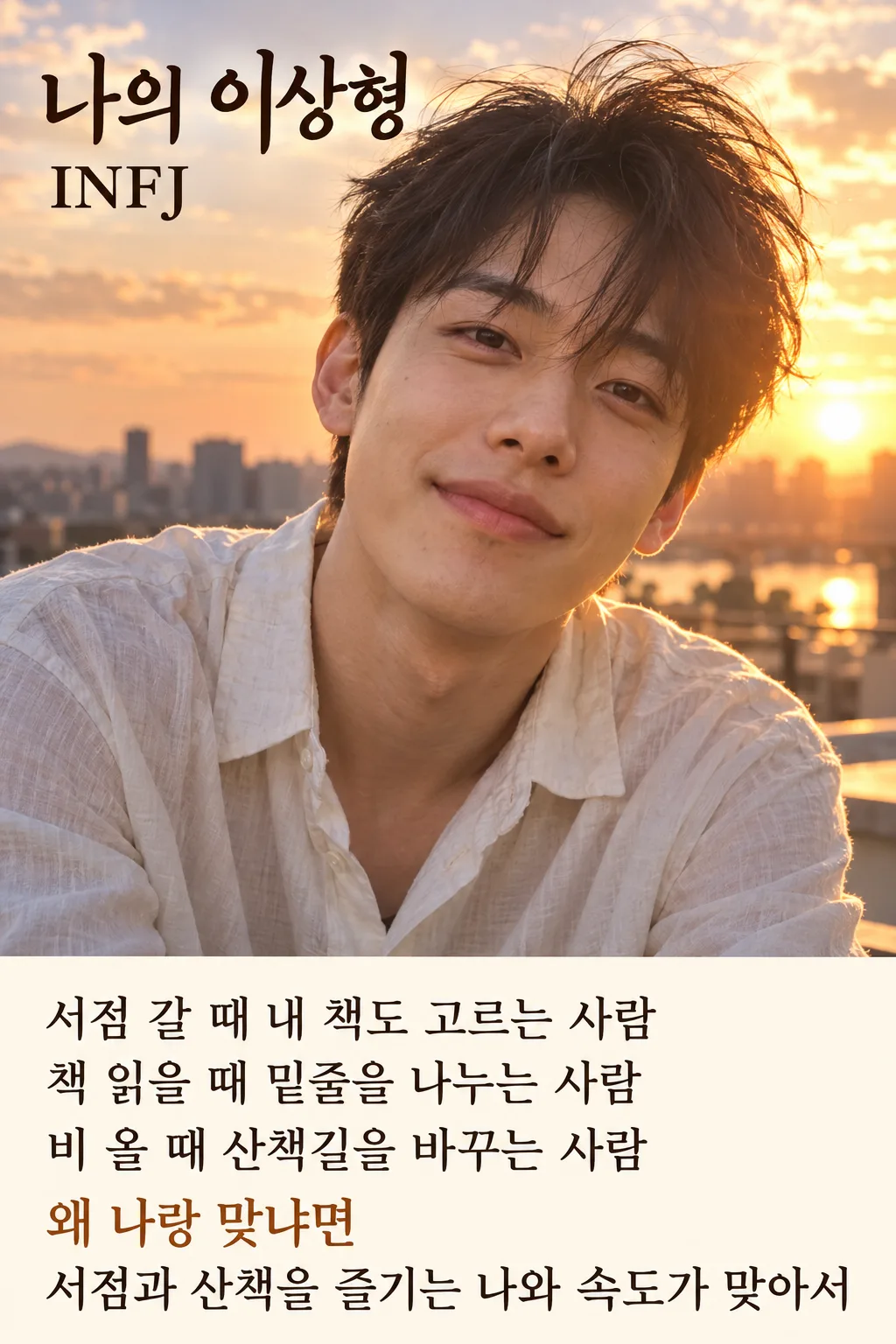
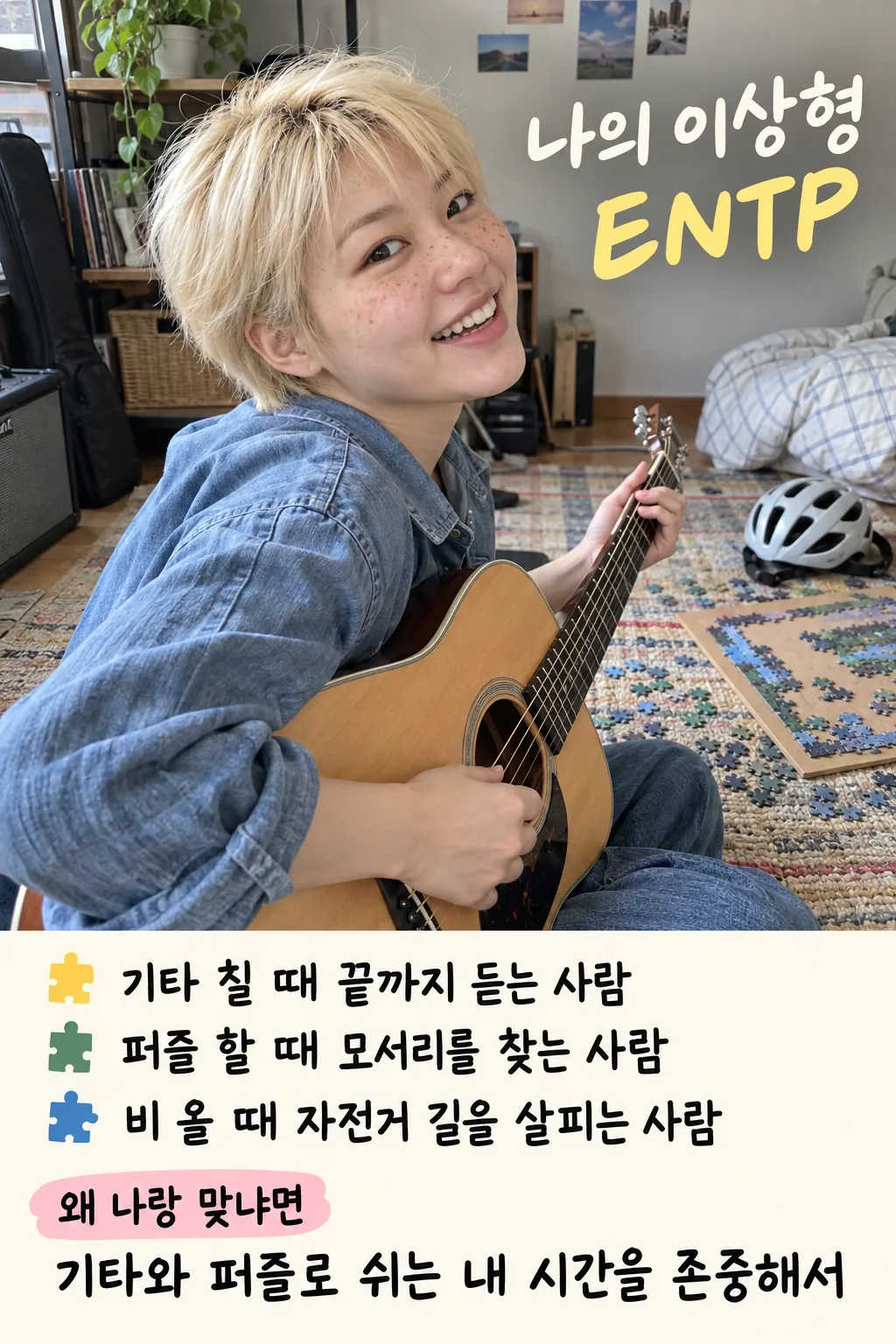
Fill in the fields
- 1Fill in the fields
- 2Copy the prompt
- 3Paste it into a GPT chat
- 4Send it as is and you get an image like the thumbnail example
- 5Attach a real photo that fits the card and it is used in the result: a background photo for background cards, a person or food photo for those cards Optional
Full prompt 6,370 characters
First, privately organize what you actually remember about me and what you know from this conversation. Separate explicitly stated facts from guesses; use only accessible memory and messages. Do not invent past conversations or imply access to other chats. Prioritize concrete interests, routines, preferences and ways I interact over the form fields. Do not print this analysis: use it to create the image directly, without a question or a separate text answer.
Output exactly one finished 2:3 portrait image, 1024x1536 pixels. Leave the top 12% and bottom 15% free of essential text.

[Inputs]
Date of birth: 【Date of birth】
My gender: 【My gender】
Desired partner gender: 【Ideal partner gender】
My supplied MBTI: 【MBTI】
If the supplied MBTI line is absent or empty, infer my type cautiously from accessible conversation; with no evidence, use a playful creative guess, not a diagnosis. The type displayed on the image is the fictional PARTNER'S MBTI, not automatically my input type. Choose it from the imagined partner's behavior, without claiming a scientifically best pairing. Gender is not a basis for personality stereotypes. For the choose-for-me option use any explicitly stated partner preference, otherwise make a creative choice.

[Fictional adult]
Create exactly one completely fictional adult ideal partner, never a real individual, celebrity lookalike, or a predicted future spouse. Calculate my completed age from the date of birth and the actual current date, accounting for whether my birthday has passed. Verify today's date if available; if unavailable use the conversation date, and if neither is available do not claim an exact age. Keep the imagined person's age near mine but at least 20 years old; for a user younger than 20, use a nonsexual fictional adult aged 20–23. Invalid or future birth dates must not produce a child: use an adult aged 25–30 instead. Do not display my birth date, gender fields, exact age, private identity, contact details, health information or other sensitive memory in the image. Never sexualize the person.

[Personal content]
Select three distinct short behavior tags from concrete remembered interests and interaction patterns. Each tag describes an observable action in a specific situation, not flattering adjectives that fit anyone. Compose original tags; there are deliberately no example tag sentences to copy. Keep each tag to one short line (or two compact lines if needed). Write one concise reason linking the partner's behavior to ONE non-sensitive concrete fact I actually shared. Do not recite the entire memory. With no usable memory or conversation, use the fields only as playful creative cues, explicitly describe the reason as a guess from inputs, and add the fallback line below. Birthday does not determine personality. With partial memory use only the available facts. Never pretend an invented prop or inferred preference is a remembered fact.

[Scene selection]
Selected ideal partner feel: 【Ideal partner feel】
If the value is "Dreamy editorial" (the default), use ONLY this branch:
Editorial photograph with the breathtaking intimacy of a romantic movie poster: a close upper-body portrait at eye level, direct eye contact as if the partner has just turned toward the viewer, warm golden-hour sunset backlight outlining hair, luminous cinematic flare, a breeze lifting individual hair strands and clothing, gentle spontaneous expression and shallow depth of field. The face is large and emotionally present. Keep distinctive believable facial proportions, mild asymmetry and visible skin texture. No generic perfect beauty, excessive retouching or celebrity resemblance.
Use romantic editorial styling and cinematic color grading while retaining natural skin texture; keep props unobtrusive, with no mandatory everyday object set.

If the value is "Everyday phone snapshot", use ONLY this branch:
A friend took this candid phone photograph in a lived-in everyday room: neutral natural daylight, casual clothes, unretouched pores, subtle uneven skin tone, flyaway hair, relaxed half-body pose and slightly imperfect framing. Include exactly 2–3 concrete personal objects from accessible conversation or memory, integrated naturally into the room. If none are available, choose modest plausible objects using only the fields as weak creative cues; treat these as invented scene details, never remembered facts. No beauty filter or studio glamour.
Keep neutral everyday color, imperfect phone framing and ordinary props. Do not add golden-hour backlight, cinematic flare, editorial styling or beauty retouching.
Never blend the two branches. Unknown or empty selection uses the default dreamy branch.

[One result image]
One full-bleed portrait result filling the entire requested canvas edge to edge, with text over the photo or in an edge-to-edge bottom band. The canvas itself is the finished artwork: no outer paper, inset card, frame, blank outer margins or mockup. No collage, second person, phone mockup, compatibility percentage, birthstone, horoscope diagram or advertisement. The photo fills the top 68–72% and touches the top, left and right edges; the readable bottom text band fills the remaining height and touches both sides and the bottom edge. Use only compact internal text padding. Overlay the title near the top of the photograph without covering the face. Place the title "My ideal partner" prominently. Keep the face large in the upper photograph. In the edge-to-edge bottom band show the partner MBTI, exactly three behavior tags, and the heading "Why we click" with the one-line reason. If there is no usable memory, fit "More conversations make this more personal" in that same content area. Use high-contrast spacious typography on an opaque calm panel so nothing covers the face. Do not print the input form or any extra heading. Render all prose in natural English only; MBTI stays four uppercase Latin letters. Check every character and every complete glyph before finishing; title and heading must be verbatim, each once. No logos, watermark, broken glyphs, generic personality claims or romantic certainty.

[Final output format]
Output exactly one finished 2:3 portrait image, 1024x1536 pixels. Leave the top 12% and bottom 15% free of essential text.
This selected output format takes priority over any fixed canvas size or aspect ratio elsewhere in this template. Adapt the composition, text zones and margins to the selected canvas without stretching or cropping essential content. Device safe areas apply only when a device is selected. Never print these format instructions on the image.
How did it turn out?
You may also like
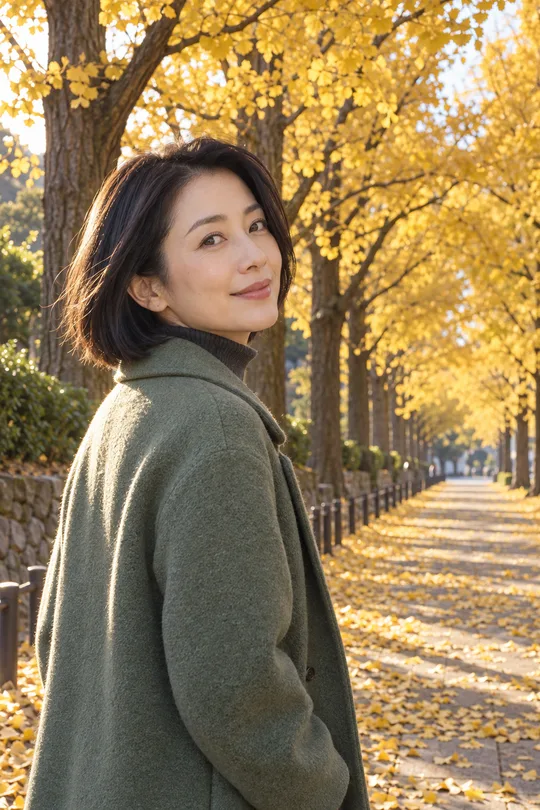
- 357Autumn portrait — your own look on a fall avenue
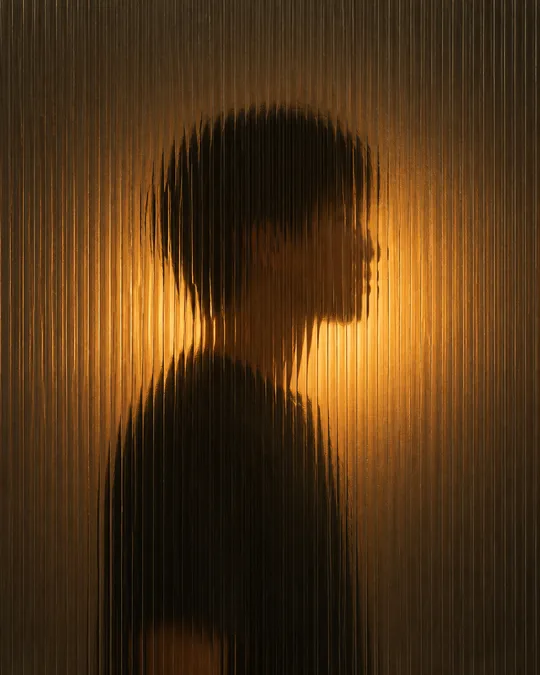
- 342Silhouette behind fluted glass — a softly blurred figure and warm light
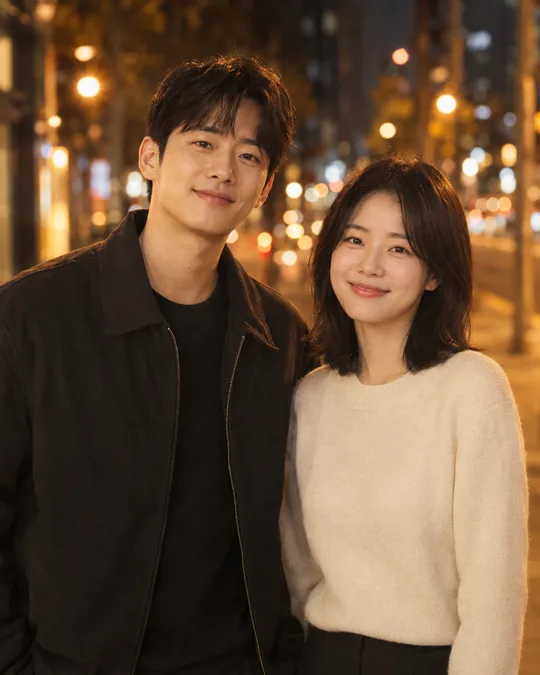
- 341Cinematic couple photo — two photos become a movie-like portrait together
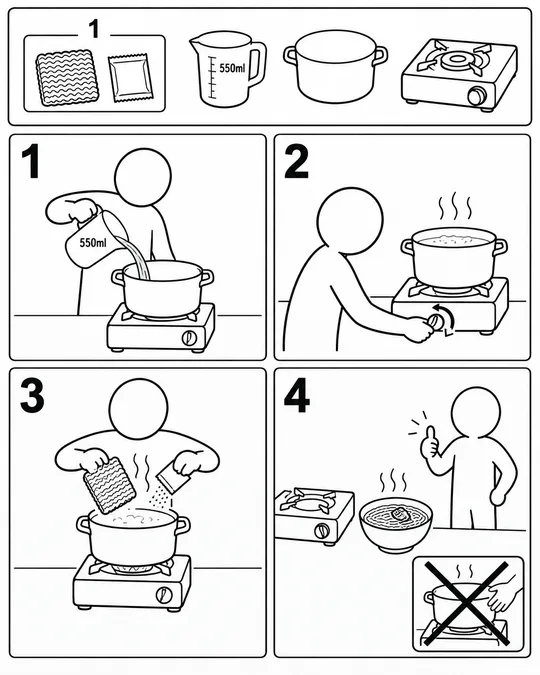
- 337Assembly manual illustrations — cooking ramen or getting ready for work, furniture-manual style
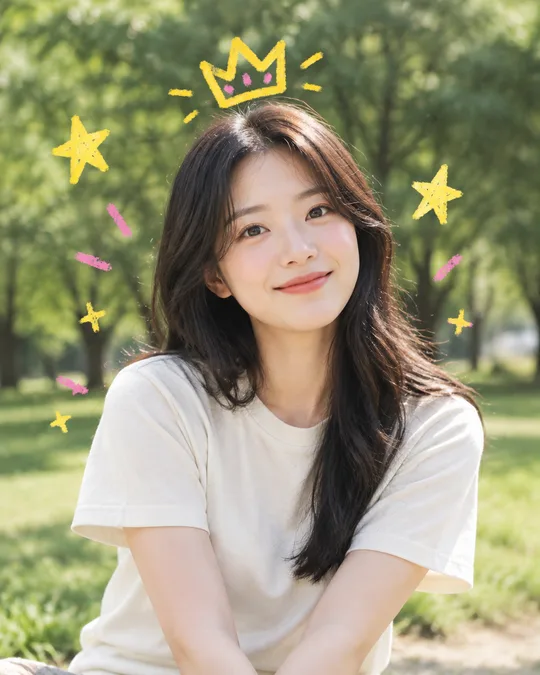
- 335Photo doodles — crayon crowns, stars and hearts over your original photo
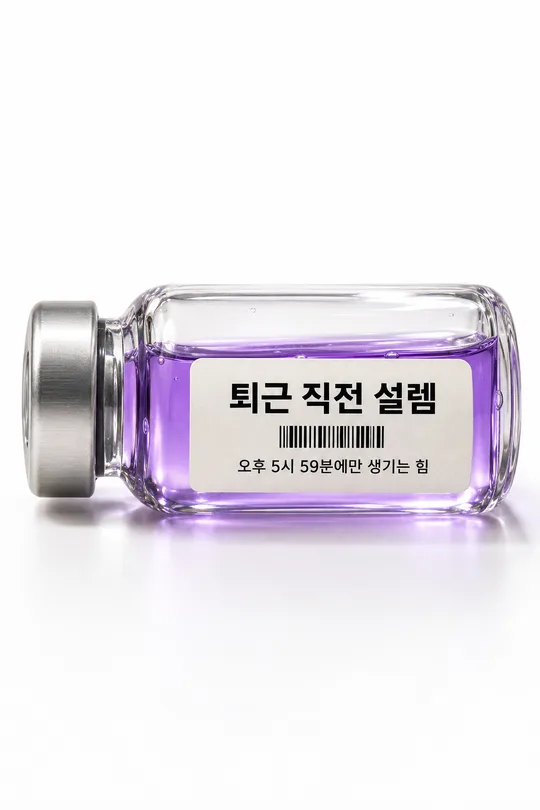
- 330Emotion vial photo — bottle a feeling like 'pre-clock-out joy' with a label
How to use it · FAQ
Choose the mood
Create a fictional adult ideal partner from accessible AI memory and this conversation. The feel selector defaults to Dreamy editorial: golden sunset backlight, wind in the hair, close upper-body framing, direct eye contact and shallow focus. Everyday phone snapshot uses neutral daylight, casual clothes, relaxed half-body framing and unretouched skin in a lived-in room. This branch includes two or three objects drawn from accessible conversation; invented objects are identified as imagined details. Both versions include the partner’s MBTI, three specific action tags and one personal reason.
Example captions
- Example 1 — Dreamy editorial: fictional 26-year-old man on a rooftop at sunset, based on a synthetic conversation about bookstores, reading and walks.
- Example 2 — Everyday phone snapshot: fictional 23-year-old woman with a guitar, puzzle and bicycle helmet, based on a synthetic conversation about music practice and cycling.
The cover is a separate fictional 31-year-old woman in editorial light. These preview images are Korean examples, not real people or private user memories. This English prompt generates English lettering.
Fill in the fields
Enter your full date of birth, your gender and desired partner gender, then select the feel. The date only helps choose a nearby adult age range; it does not determine personality. MBTI is optional and means YOUR type. Leave it blank for a cautious conversation-based guess, or a playful guess when there is no evidence. The image shows the fictional PARTNER’S type. Choose the ratio using the shared control; the cover is 2:3.
Memory and another run
An AI with memory enabled can reflect your actual preferences more accurately, using only memory it can access and the current conversation. Paste into a chat that already knows your interests. Without context, the reason is labelled as a guess from inputs. Sensitive memories and your birth date stay out of the image. Each run can change the partner’s MBTI, face and behavior tags; earlier trials selected INTP and INTJ. To compare the two feels, keep the chat and inputs and change only the selector. This does not guarantee the same face across runs and is not a compatibility diagnosis or spouse prediction.
Check before sharing
Read the title, four MBTI letters, three observable behavior tags and the short reason. Correct a faulty line by quoting the intended wording. Remove private details before sharing. The imagined subject is always a nonsexual fictional adult, including for younger users.