
All · Wallpapers · Fantasy · Cute
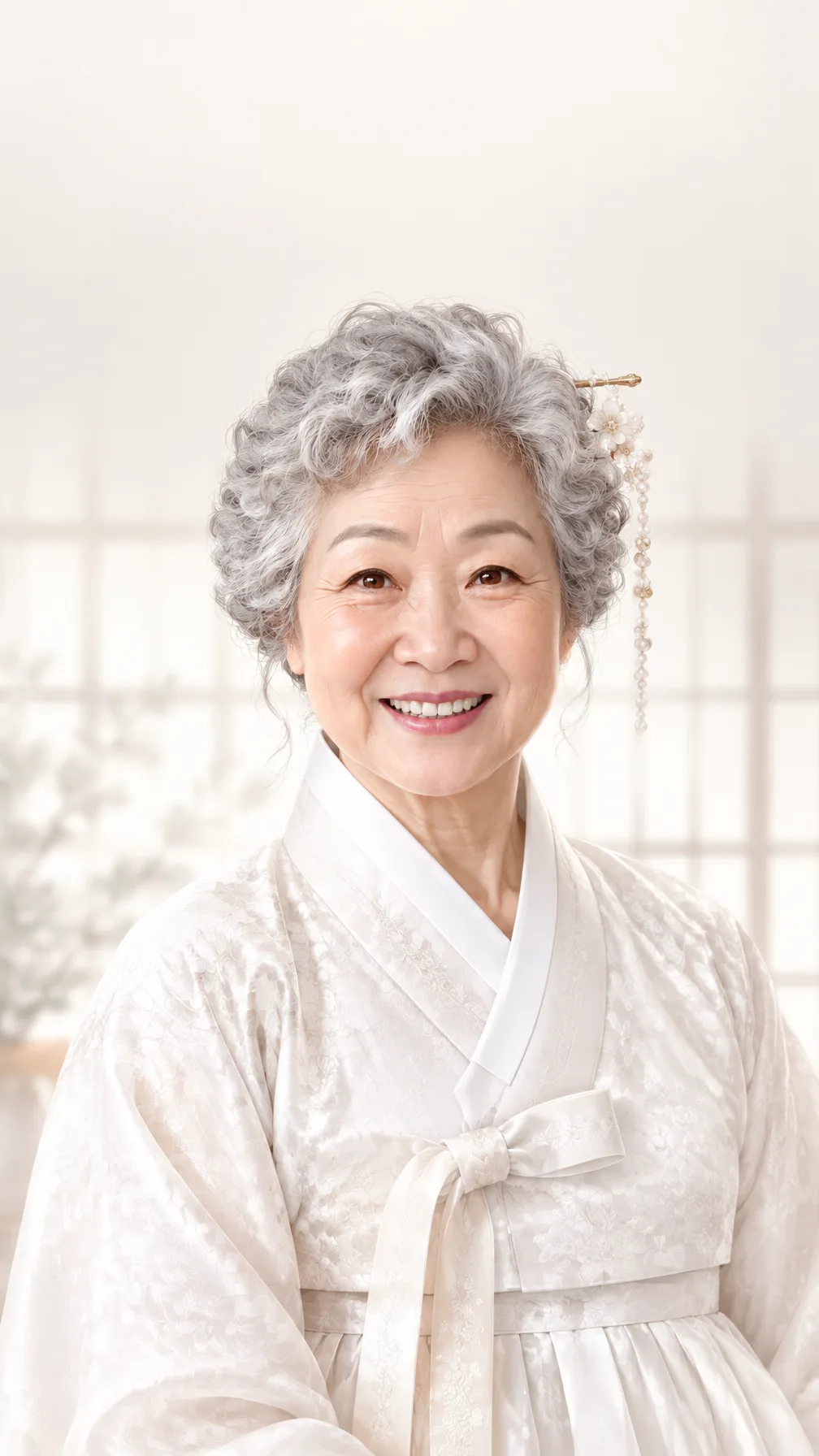
257Silver-Haired Traditional Dress Phone Wallpaper — White Silk and a Gold Hairpin
A half-length portrait with silver hair, white silk traditional dress and a gold hairpin, set against soft white light — made for a phone lock screen.
ChatGPT Free OK
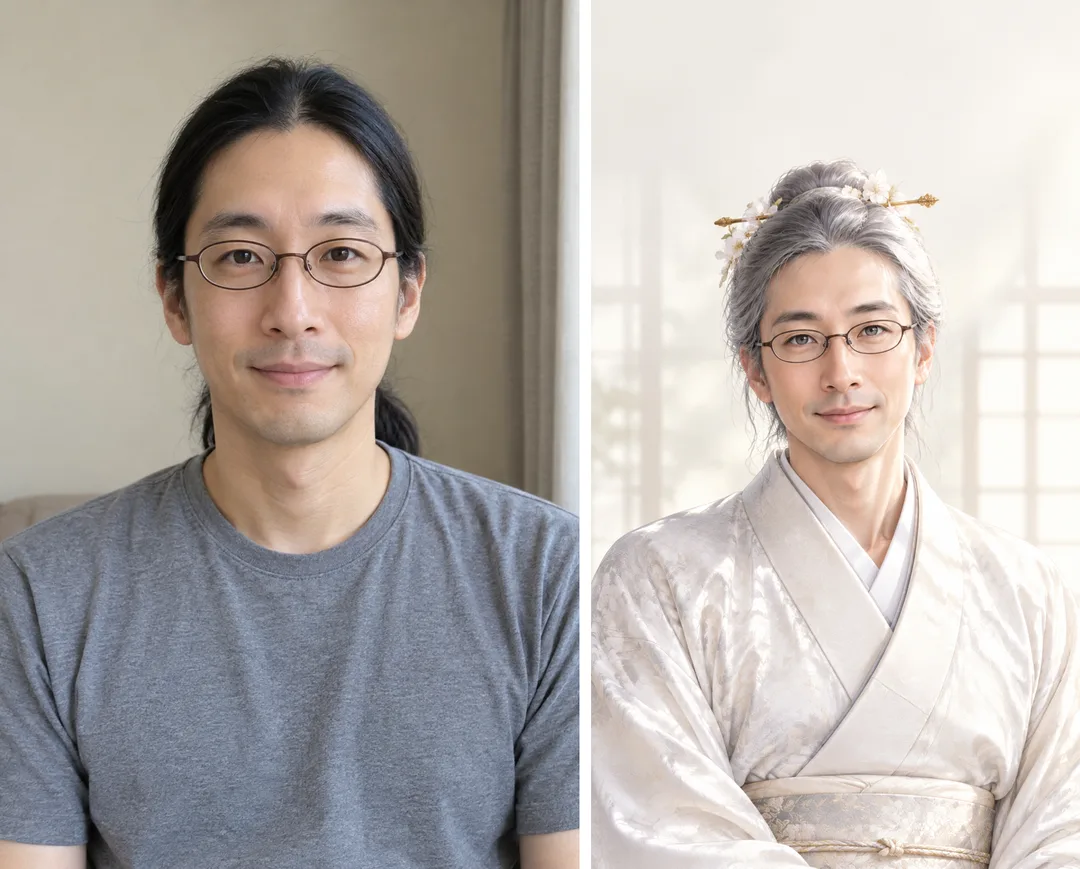
Fill in the fields
- 1Fill in the fields
- 2Copy the prompt
- 3Paste it into a GPT chat
- 4Send it as is and you get an image like the thumbnail example
- 5Attach one photo of yourself (optional) with the prompt and your photo is used in the result Optional
Full prompt 9,328 characters
Generate this image now. Draw it directly - do not describe it, explain it, or ask questions.
PHOTO RULE (this overrides any other line in this prompt, before or after it, that calls the photo required or mandatory or says to ask for it): if a photo is attached, use it exactly as the instructions below describe. If no photo is attached, never ask for one and never stop — invent a fitting fictional subject (person, pet, food, product or place, whatever this card is about) in the spirit of the card's example image, and finish the image.
Output size 1080x1920 pixels, 9:16 portrait story. Keep all text inside the central 80% of the height.

[One finished phone wallpaper]
Create ONE full-bleed vertical 9:16 wallpaper unless another aspect ratio is specified. Show a serene half-body original character in luminous white silk traditional clothing, softly rendered in a semi-realistic anime style. Default silver hair is gathered into an elegant updo with one golden hairpin and a few white flowers. The background is diffuse milky window light. The TOP 25% of the image is a calm empty clock area. Return the finished image itself, without a phone frame, drawn clock, app icons, captions, multiple versions or explanation.

GENDER = "【Gender】". Use the selected feminine or masculine presentation, preserving a photo subject's identity and apparent age when provided.

[Defaults and input resolution]
Default to a kimono, silver hair, a golden hairpin with white flowers and pale gray eyes. Resolve each optional line at the end before illustrating: it replaces only its named feature, so a changed garment must not restore a rejected hair color or ornament. Blank values and "None selected" keep defaults. "Choose for me" mean choose a fitting value yourself and finish. "No ornament" or "None" removes hair ornaments completely. The selected clothing determines the garment's actual construction; this is not one generic robe relabeled three ways.

[Identity and semi-realistic anime drawing]
If a portrait is attached, preserve facial contour, eye spacing and eye shape, nose, lips, complexion, hairline, glasses, facial hair and visible identity marks. Select the most prominent person in a group photo, using closeness to the center as a tie-breaker. Keep their apparent age. The selected hair and eye colors deliberately override those photo colors; the face itself must remain recognizable. With no photograph, invent one distinctive fictional adult, never a celebrity or recognizable fictional franchise character.

Use refined anime-influenced features with anatomically coherent cheekbones, eyelids, lips and neck. Skin has softly painted gradients and subtle warmth, while irises, lashes and individual hair strands are delicate and sharply resolved. Avoid exaggerated giant chibi eyes, glossy 3D doll skin, visible photographic pores and flat vector shading. The finish feels like a carefully painted fantasy portrait with realistic fabric and gentle illustrated skin.

[Position and reserved clock area]
Leave image height 0-25% entirely clear of the person, bun, pin, flowers, branches, lettering and high-contrast window lines. Only a smooth pale ivory-to-white light field belongs there. Start the tallest hair or ornament below roughly 28% height. Frame the subject from the complete updo to just below the waist, with shoulders, garment closure and its defining ties or belt visible. Put the face around the middle third, slightly turned toward one side with a calm gaze back toward the viewer. Keep all hair ornaments inside the frame and below the clock area. The body fills the lower portion without becoming a tiny figure under a giant blank border. If an ornament rises too high, lower the whole portrait instead of shrinking the face or cropping the pin.

[Hair and ornaments]
Gather the default silver hair into a graceful sculpted bun with a few soft loose strands near the temples and neck; distinguish overlapping locks through pearly cool highlights and soft gray shadows. Do not turn silver hair into featureless white plastic. For masculine presentation use gathered long hair in a restrained tied bun or knot; keep the same delicate material and selected ornament logic.

A golden pin has a plausible shaft passing through the gathered hair and a small crafted metallic head. White flowers attach to that arrangement with visible centers, believable petals and restrained greenery. A plum branch is a short ornamental sprig anchored in the bun rather than an entire tree. A pearl ornament uses a small coherent cluster and delicate suspended pearls. With no ornament, show only the updo and loose strands. Keep jewelry scale believable and the face unobstructed. Hair accessories are an intentional fantasy styling choice; the clothing still follows its selected tradition rather than becoming a hybrid costume.

[Garment branches: choose exactly one]
KIMONO: use a Japanese silk kimono with a straight overlapping collar, the WEARER'S LEFT front panel over their right panel, a slim visible white under-collar, rectangular hanging sleeves and a broad structured obi around the waist. For a feminine presentation the obi is high and substantial; for masculine presentation it is simpler and lower. The obi knot is behind the body, never a Korean goreum bow on the chest. Preserve the layered collar and recognizable straight garment construction. Keep the neckline modest and the white layers distinct through faint tonal contrast.

HANBOK: use a Korean jeogori with a correctly shaped git collar edged by a narrow white dongjeong and a clear goreum closure formed from long and short cloth ties at the upper chest. Feminine presentation has a short jeogori above a voluminous high-waisted chima with visible fine gathers; masculine presentation uses a longer jeogori with the appropriate ties and the upper portion of loose baji. Keep softly curved sleeve lines and the recognizable jacket-to-skirt or jacket-to-trousers relationship. Never add a broad Japanese obi, rear obi bow or a continuous kimono robe body.

HANFU: use one internally coherent Chinese cross-collar silk ensemble with a jiaoling collar and right-side closure, meaning the WEARER'S LEFT panel lies over the right. A narrow soft waist sash and side fastening ties belong to this selected design. Feminine presentation uses a long flowing cross-collar upper garment with a pleated skirt; masculine presentation uses a long cross-collar robe with the same narrow sash and broad draped sleeves. Let the sash be supple, not a stiff wide kimono obi. Do not replace the closure with a Korean chest goreum or a high qipao collar. Do not mix sleeve or waist constructions from the other two branches.

[Silk, design and light]
All three garments are pale white silk with subtle warm-ivory and cool-pearl folds. Weave fine, low-contrast floral and feather-like motifs into the cloth so they appear as jacquard or delicate embroidery when light catches them, rather than large pasted decals. Patterns follow seam placement and curved folds. Render the selected collar, ties or sash crisply enough to identify the garment at phone size. Keep white cloth opaque, with natural fold weight and no blown-out detail.

The setting is a softly defocused light-filled interior with a faint paper-window suggestion behind the lower portrait only. Use Japanese shoji structure for kimono, Korean changho for hanbok and a compatible Chinese lattice suggestion for hanfu, all indistinct and secondary. The top clock area stays smooth. Diffuse window light creates soft shadow under the chin, luminous hair strands, a restrained metallic glint on a selected golden pin and gentle silk highlights. The palette is mostly pearl white, ivory and silver with small gold accents; chosen hair and eye colors remain clearly visible. No sunset, dark castle, busy painted landscape, falling petals across the face or high-contrast pattern behind the clock. Finish with natural shoulder and neck anatomy; if hands enter the crop, they have coherent fingers and relaxed positions. No text, watermark, border, logo or extra person.

[OPTIONAL OWNER INPUT - each line exists only when supplied]
GARMENT = "【Traditional dress】". Resolve to kimono, hanbok or hanfu and apply only that garment branch, including its correct collar, sleeves and fastening. Blank or automatic defaults to kimono.
HAIR_COLOR = "【Hair color】". Use the chosen silver, deep black, pale pink or platinum-blond color throughout the gathered hair and loose strands. Change the color while retaining the elegant updo and identity-defining hairline.
HAIR_ORNAMENT = "【Hair ornament】". Replace the default gold pin and white flowers with a plum sprig, delicate pearl ornament or no ornament, exactly as selected. "No ornament" removes all pins, flowers, branches and pearls. Keep every ornament below the top 25% clock area.
EYE_COLOR = "【Eye color】". Use pale gray, reddish brown, light violet or gold irises as selected, with delicate natural highlights; never color the whites of the eyes or create glowing beams.

[Final output format]
Output size 1080x1920 pixels, 9:16 portrait story. Keep all text inside the central 80% of the height.
This selected output format takes priority over any fixed canvas size or aspect ratio elsewhere in this template. Adapt the composition, text zones and margins to the selected canvas without stretching or cropping essential content. Device safe areas apply only when a device is selected. Never print these format instructions on the image.
How did it turn out?
You may also like
How to use it · FAQ
When to use it
A half-length portrait of a figure with silver hair swept up, a gold hairpin, and white silk traditional dress with a faint woven pattern. The background is softly blurred white light, so the lock-screen clock and notifications stay easy to read while the face and the gold of the hairpin stand out. It comes out in vertical 9:16, ready to use as a phone wallpaper.
Filling in the fields
Just pick a gender. Leave the rest empty for a kimono, silver hair, a gold hairpin with white flowers and pale gray eyes. Switching the dress to hanbok or hanfu changes the collar and ties to match that garment while keeping the white silk and silver mood. Changing hair or eye color keeps the atmosphere and only shifts the impression.
Adding your photo
The photo is optional. With one, the face shape and features resemble you; without one, a fictional figure is drawn.
- Upload a photo where the face is clear — don't send yet
- Paste the copied prompt into the same message box
- Check that both are there, then send
What to check
- Is the top quarter clear enough for the clock? A tall hair ornament can overlap it
- If hands appear, do the fingers look natural?
- Do the collar and ties match the chosen dress — goreum ties for hanbok, an obi sash for kimono?
Fixing what's off
Ask in the same chat, one thing at a time: "Move the figure a little lower", "Make the background whiter", "Change the hairpin to a plum-blossom branch".
FAQ
- Does it work for men? Yes. Choose male for a silver-haired man with tied-back hair.
- Can the background be dark? The white background is what defines this card. For a dark fantasy look, try another wallpaper card.