
All · Comics & illustration · People
407Child Photo Storybook Portrait
Keep your child's eyes, hair, cheeks and clothes while turning one photo into a warm, large-face picture-book portrait.
Fill in the fields
- 1Fill in the fields
- 2Copy the prompt
- 3Paste it into a GPT chat
- 4Send it as is and you get an image like the thumbnail example
- 5Attach One clear child photo showing the face, hair and clothes (optional) with the prompt and your photo is used in the result Optional
Full prompt 4,318 characters
Generate the image now. Return exactly ONE finished picture-book child portrait, not an explanation or questions.
Aspect ratio: Output size 1080x1350 pixels, 4:5 portrait, Instagram standard.. If unspecified, vertical 4:5.
Photo memo: 【Child photo】. This identifies an attachment, not visible text. The actual visual reference is the attached image.
PHOTO RULE: If a photo is attached, preserve the child's identity as described below. If no photo is attached, do not ask or stop: invent one original fictional child who does not intentionally resemble a celebrity or existing character. A memo alone does not reveal the real child's face.

Purpose: one warm portrait for a parent's profile or social post. Frame one child from chest or waist up, with the face approximately 35–45% of canvas height. Keep the hair silhouette complete and the torso extending naturally to the bottom. The child dominates a simple background. Fill every edge with artwork. No elaborate story scene, street, frame, book mockup, text or comparison layout.
Keep recognizable features, but redraw the entire face in the selected style. Do not retain a photographic face under a paper texture or color filter. For watercolor, colored pencil and crayon, simplify facial contours, nose and mouth into hand-drawn lines and color shapes; show brushwork or pencil strokes on cheeks, forehead and eyelids too. Replace pores, photographic highlights and precise shading with picture-book colors and simplified forms. For 3D, rebuild the face as simplified sculpted forms. Preserve identity cues rather than photographic skin detail.
Preserve age appearance, skin tone, facial outline, eye shape and spacing, eyebrows, nose, mouth and smile, cheek fullness, hair length and texture, part and fringe, clip position and head angle. Never enlarge the eyes or substitute a generic child. Keep the original clothing color, collar, sleeves and visible silhouette. Only replace logos, branded patterns or existing characters with plain fabric. Prioritize visible features instead of inventing hidden details. If several people are shown, use only the child designated by the memo; without a designation, use the foremost central child. Omit background people.

Art style: 【Art style】. Warm watercolor means transparent spreading pigments and soft pencil edges. Colored pencil means layered pencil strokes and delicate shading over paper grain. Soft 3D animation means unmistakable sculpted volume, simplified geometric hair locks, smooth matte skin, rounded cloth folds and warm diffuse lighting; it must not look like a retouched photo. Crayon means chunky irregular hand-drawn lines, wax grain and layered color shapes. Clearly show just the selected medium while preserving natural eye and face proportions. Default to Warm watercolor if empty. Never reproduce a named work, artist, studio or famous character.
Background: 【Background】. Solid color: a pale apricot field distinct from the clothes. Flowers: pale apricot with a few small flowers at the lower sides. Sky: pale blue with a few soft clouds. Room: cream wall and one blurred window shape. Default to Sky if empty. Keep all backgrounds simple with no strong pattern behind the face. Flowers and clouds must not obscure it.
Prop: 【Prop】. If empty or None, add nothing. Otherwise include exactly one selected small flower, plain rabbit toy or small star cushion low against the torso. The rabbit must be an original fictional plain fabric design with uneven ears, never a recognizable product or character. Keep the face and collar unobstructed. If hands appear, draw sensible finger counts and joints.
Use warm colors and soft light while keeping the child recognizable from the source. Render no names, memos, dates, numbers, weekdays, signatures, logos or watermarks. Do not turn the photo memo into a name tag. Return ONE complete raster illustration in this response. No code, alternatives, separate pages or comparison panels, and no cutting, assembly or retouching required.

[Final output format]
Output size 1080x1350 pixels, 4:5 portrait, Instagram standard.
This selected output format takes priority over any fixed canvas size or aspect ratio elsewhere in this template. Adapt the composition, text zones and margins to the selected canvas without stretching or cropping essential content. Device safe areas apply only when a device is selected. Never print these format instructions on the image.
How did it turn out?
You may also like
How to use it · FAQ
A portrait centered on your child
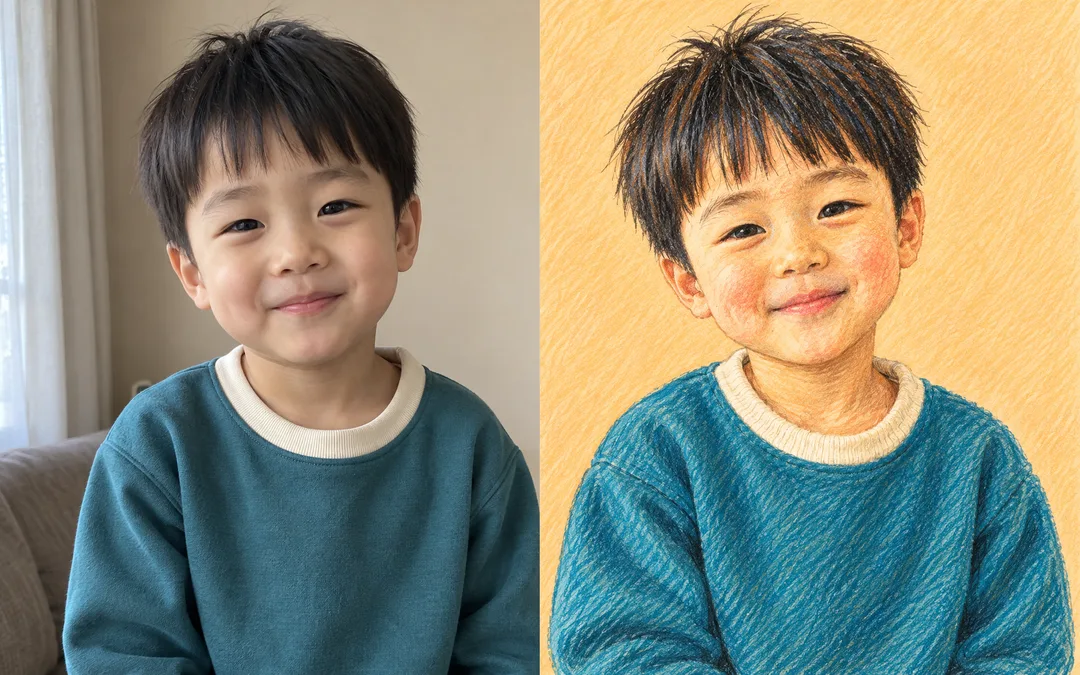
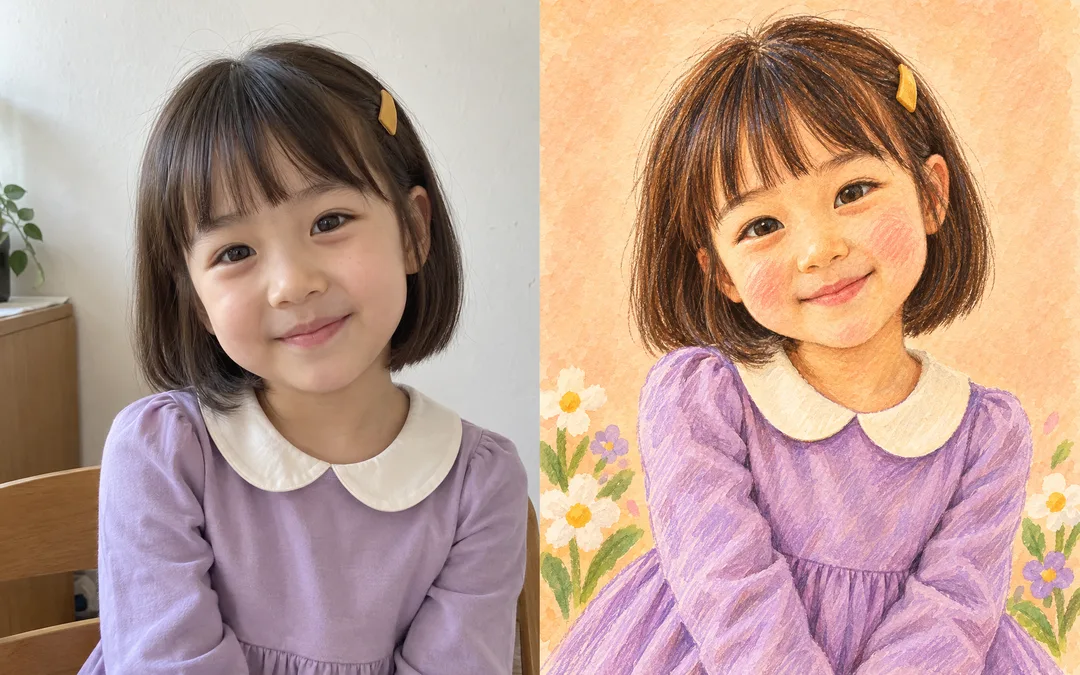
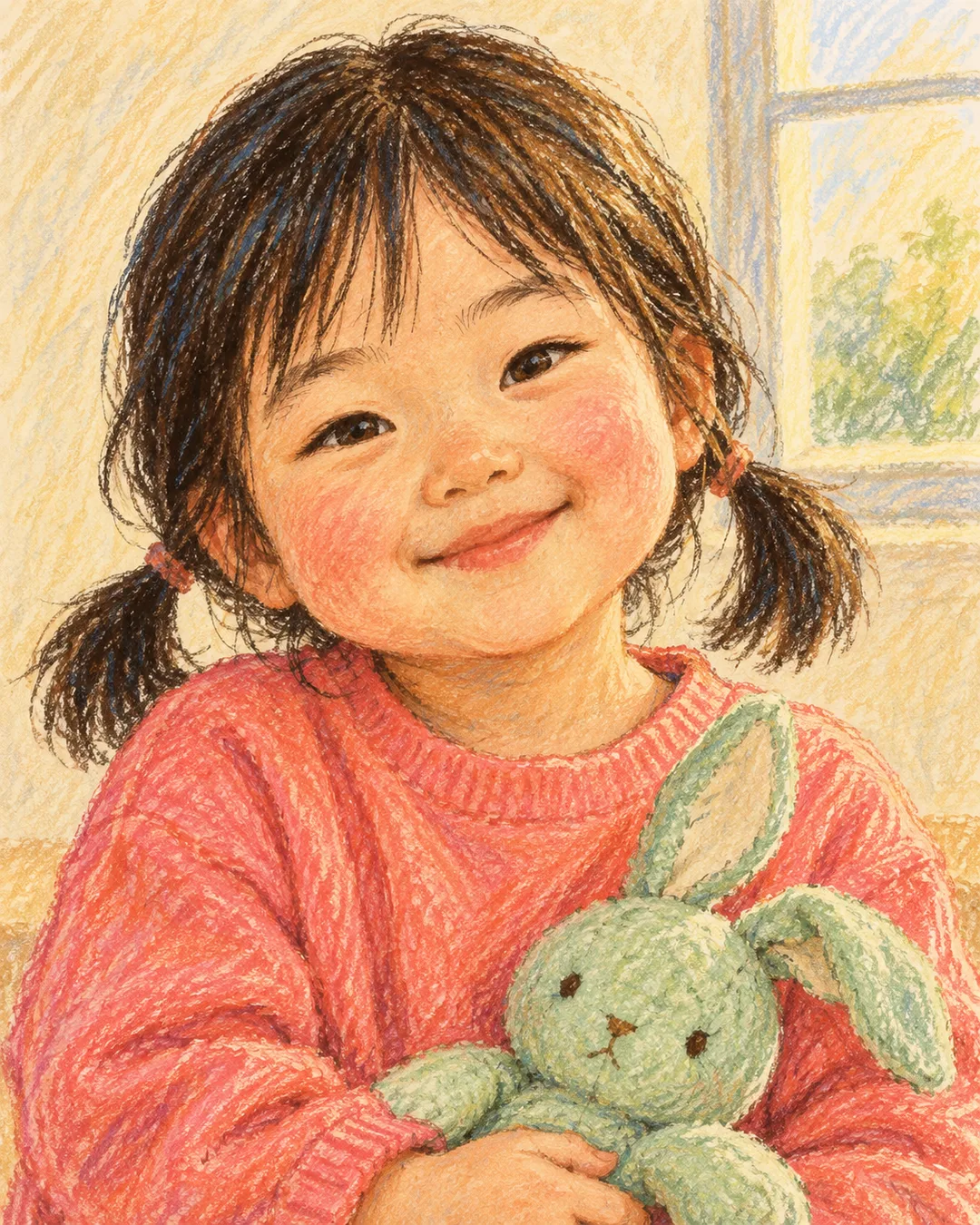
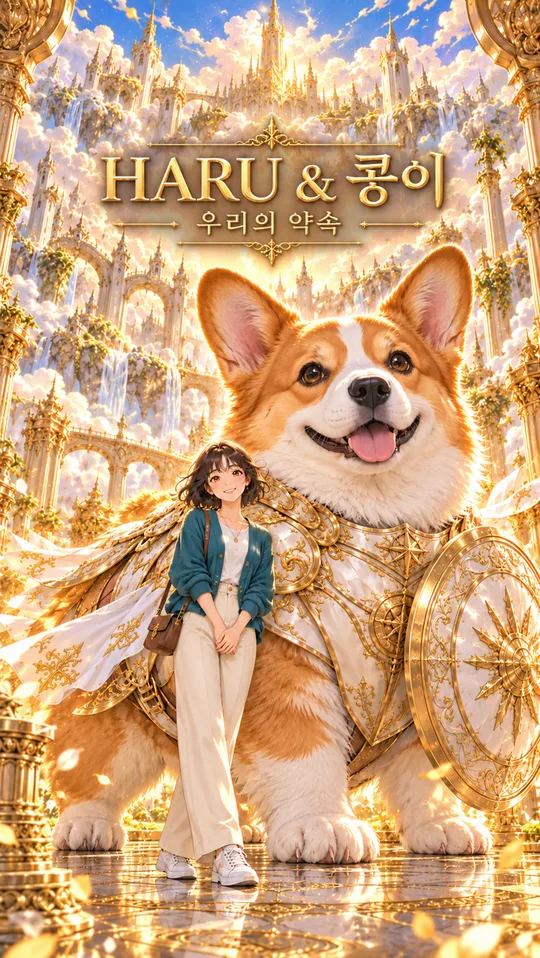
This card keeps the face large and the backdrop simple. It carries the eye shape, fringe, cheeks and clothing colors from a photo into one picture-book portrait. The default canvas is vertical 4:5 for mobile profiles and social posts. The gallery cover shows watercolor; the boy comparison shows colored pencil; the girl comparison shows hand-drawn watercolor with colored pencil; the final standalone example shows crayon. Every example child and source photograph is fictional and generated.
Attach the photo and send once
In an image AI that accepts attachments, attach one clear photo and paste the copied prompt into the same message before sending. The Child photo field is an attachment memo such as “Haru photo”; typing it does not upload a photo. Neither the memo nor a name appears in the artwork. Choose a photo with a clear face, hair and collar. Confirm guardian permission and consent to use and disclose the child's image and personal information, and avoid visible addresses or name tags.
Fields and empty values
The two required fields are Art style and Background. Choose one of four styles and one of four simple backdrops. The photo is optional: without an attachment, the prompt creates a fictional child rather than reconstructing your child's face. Prop is optional; leave it empty or select None to add nothing. A small flower, plain rabbit toy or small star cushion appears once below the face. A change of backdrop or prop should preserve the facial features and clothing colors.
Check the result
Read the comparison from left to right: source photo, then finished portrait. Compare eye size and spacing, fringe, cheeks, hair clip placement, clothing color and collar. Look for the boy's teal top with cream collar and the girl's lavender dress with mustard clip. If the result looks like another child, send a clearer source with “Keep the eye shape, hair and clothing cues; redraw the face too with simple hand-drawn lines and color shapes” and request one replacement image. Automated celebrity resemblance checks cannot be guaranteed; review the portrait before making it public.
Common questions
- Can I skip the photo? Yes, but the result is an invented child, not your child's recovered likeness.
- Does the original room stay? No. Only the child is referenced; the selected simple backdrop replaces the scene.
- Can I add a name? This card produces an image without text; the memo is never printed.
- Is my source photo published here? This card supplies a copyable prompt. Check the receiving image service's storage, sharing settings and terms before submitting a photo.