

All · Comics & illustration · Scenery
606Microscopic world — one close-up observation
Create one detailed microscopic subject image with a simple reliable label.
What you get
- One enlarged subject image
- Material detail and chosen colors
- One reliable broad subject label
ChatGPT Free OK
Fill in the fields
- 1Fill in the fields
- 2Copy the prompt
- 3Paste it into a GPT chat
- 4Send it as is and you get an image like the thumbnail example
- 5Attach a real photo that fits the card and it is used in the result: a background photo for background cards, a person or food photo for those cards Optional
Tested by us
- Test date
- 2026-10-29
- Tool
- ChatGPT Image Model (run in Codex) — same model as free ChatGPT, only limits differ
- Result
- Pass
- What worked
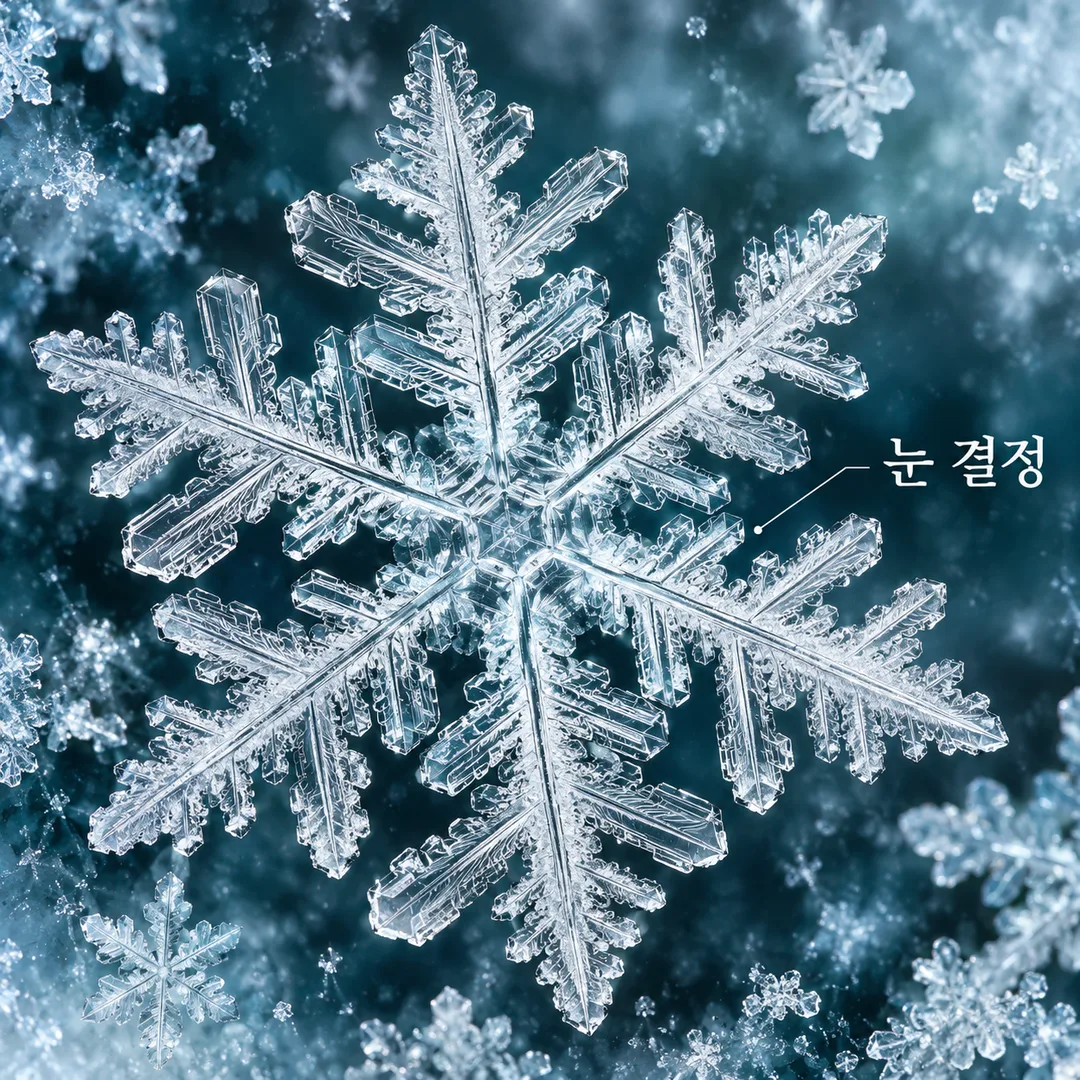
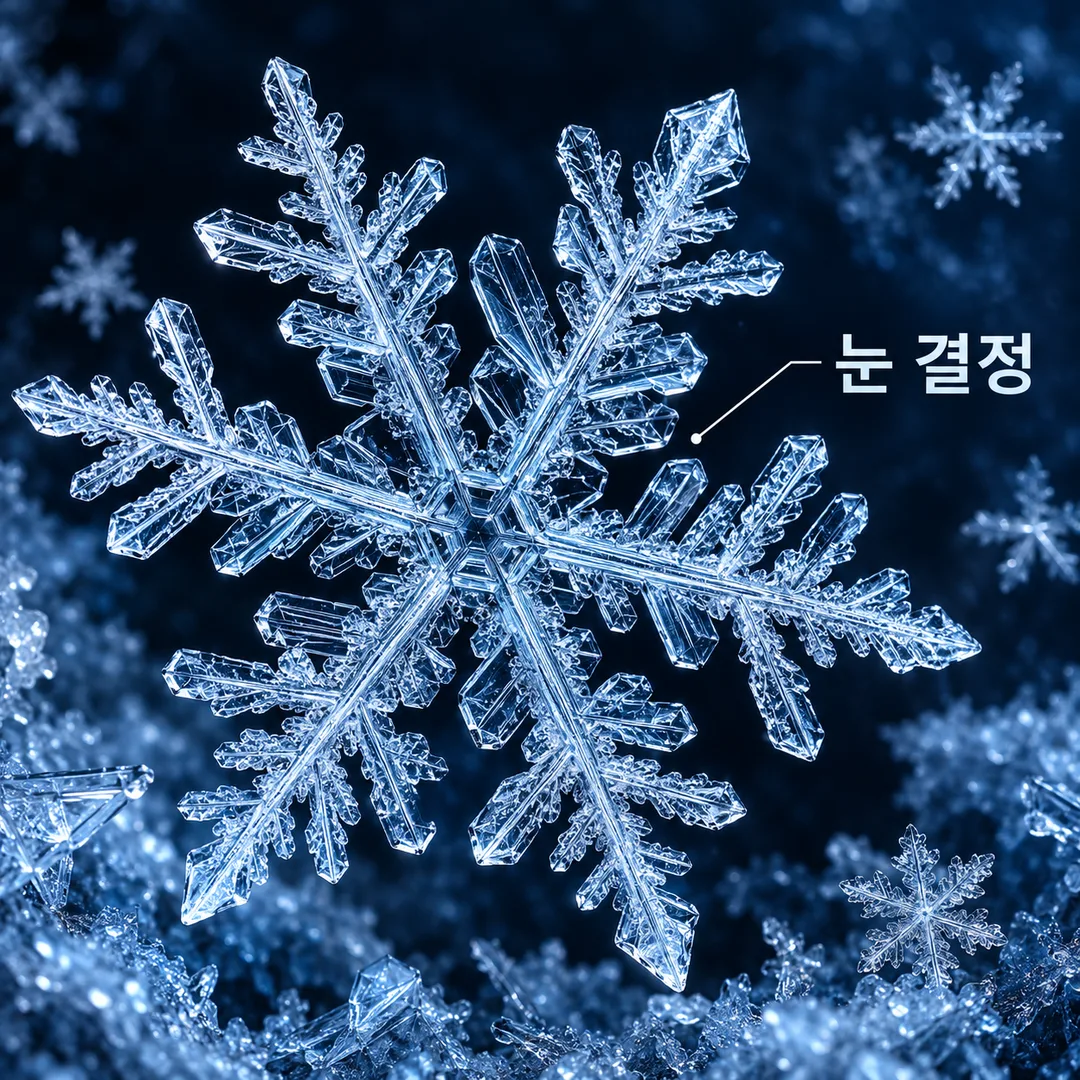
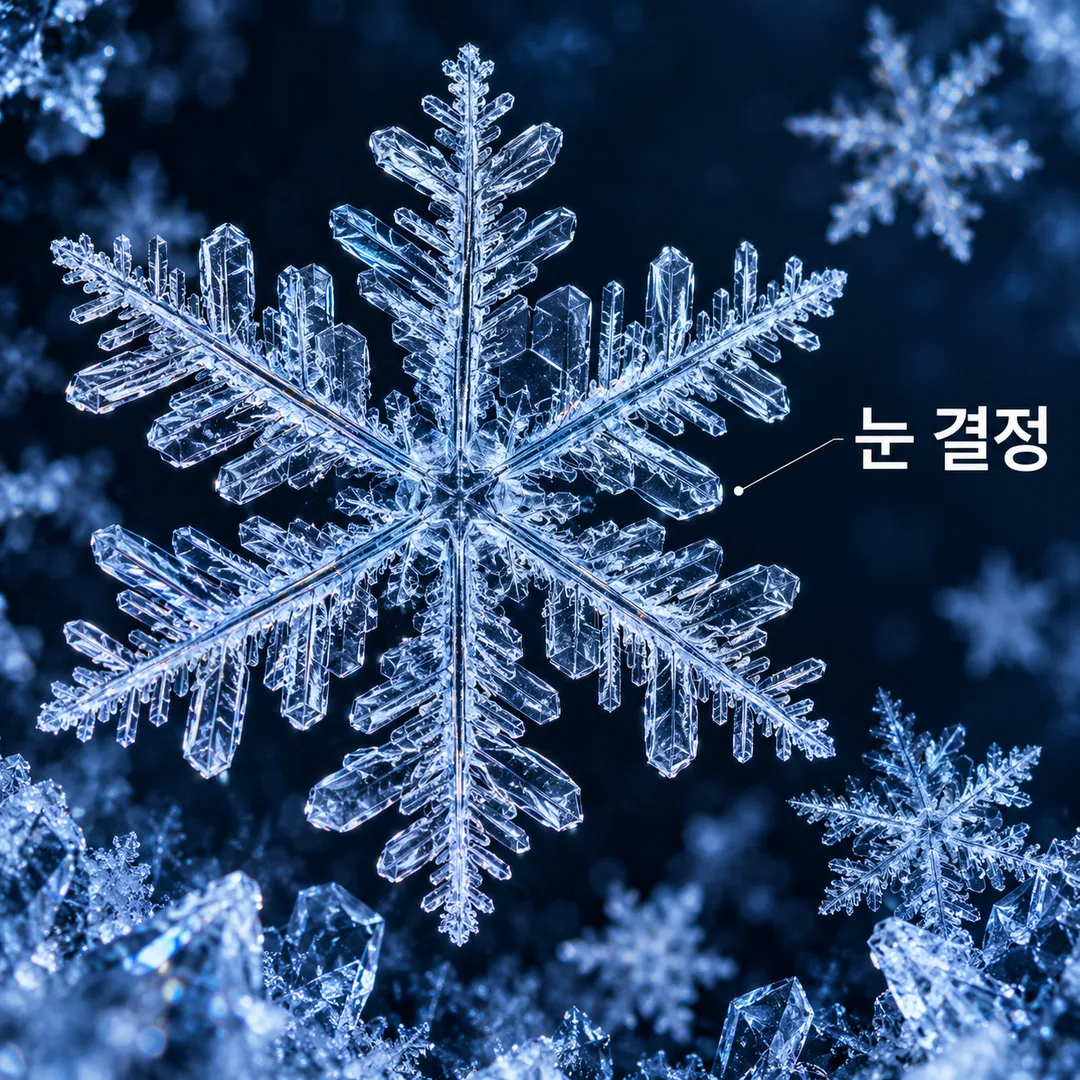
- Both results depicted a single large six-armed snowflake with smaller surrounding crystals, transparent branch texture, and an ice blue and deep navy color scheme. The three characters for "Snowflake" were accurate, and the label was placed in the middle right, avoiding the top 12% and bottom 15%. A single short leader line was present, with no other text, scale bars, tick marks, numbers, logos, or watermarks visible. It was square and the artwork extended to the edges.
- What did not work
- None
- How to improve
- Running it once more with the same input did not improve the pixel size. No sentence changes were confirmed to bring improvement in this test. Please check the six-armed structure, the "Snowflake" text, and the file size before use.
Full prompt 2,786 characters
Generate this image now. Draw it directly; return exactly ONE finished image without explanation.
Output size 1080x1080 pixels, 1:1 square post. Keep all text fully readable.
Create one full-bleed microscopic-world observation infographic, default square 1:1. Subject: "【Subject】". Color: "【Color】". Empty subject defaults to snow crystal; empty color defaults to ice blue and midnight blue. If multiple subjects are supplied use only the first. Ignore attached photographs. This is an original conceptual illustration, not measured microscopy or specimen identification.
One dominant specimen fills about three quarters of the canvas, with a few naturally varied secondary details and one clear subject label. Keep this same editorial infographic system across subjects; adapt material treatment: snow has crisp transparent facets and cool dark-field light; pollen has warm tactile sculptural depth; leaf surface has quiet translucent ink-like contours. Use the requested artistic palette without claiming natural pigmentation. No style selector, collage, grid, paper mockup or frame.
Snow crystal: one thin six-armed branching crystal, subtle irregularities, never eight arms or a gemstone. Pollen: varied textured grains without species identification or functional claims. Leaf surface: gently irregular surface cell boundaries, without invented internal organelles or plant species. Unfamiliar subjects: show only broad visible structure and omit uncertain details. Verify any additional scientific fact against an authoritative source before inclusion; otherwise omit it.
Print exactly one broad subject name in English: snow crystal = "Snow crystal"; pollen = "Pollen"; leaf surface = "Leaf surface". Other subjects receive only their accurate broad name. One short fine leader points to the whole specimen, never an unverified part. Place large readable lettering in a calm middle-side area, clear of the top 12 percent and bottom 15 percent. Spell-check every character. No other text, magnification, scale bars, numbers, dates, species names, measurements, explanatory or verification notes. Do not print input color names or codes.
Rich fine detail, strong silhouette, controlled depth, scene reaches every edge. Avoid identical repeated shapes and decorative glitter. No brands, logos, signatures, watermarks, people, recognizable products, copyrighted characters or imitation of an artist. One original ready-to-share image; no code, cropping, post-processing or variants.

[Final output format]
Output size 1080x1080 pixels, 1:1 square post. Keep all text fully readable.
This selected output format takes priority over any fixed canvas size or aspect ratio elsewhere in this template. Adapt the composition, text zones and margins to the selected canvas without stretching or cropping essential content. Device safe areas apply only when a device is selected. Never print these format instructions on the image.
How did it turn out?
You may also like
How to use it · FAQ
Create one observation image for Haru's science club or nature journal. Paste the prompt into an image AI once. Default square 1:1; use the shared size control to change the ratio. Attached photos are ignored.
Subject is the only required field. Choose snow crystal, pollen or leaf surface. If several are supplied, only the first is used; empty means snow crystal. Color is optional. Ice blue and midnight blue, apricot and russet, or lime and forest green change the palette. Empty color always means ice blue and midnight blue. These are artistic colors, not evidence of natural pigmentation.
Snow has crisp transparent facets, pollen has warm tactile depth and leaves have calm translucent contours. All use one large specimen and one broad subject label within the same editorial infographic system. Omit uncertain species, organelles and functions, invented scale bars and magnification. This is a conceptual illustration, not a measured micrograph or specimen identification.
Zoom in and check every letter, the six main arms of snow crystals, varied pollen grains and absence of unsupported leaf structure labels. Identify any wrong word or shape when requesting a new image. For factual teaching, compare with real micrographs and authoritative science references. This card supplies a prompt; check external service fees and terms with that service.