
전체 · SNS/카드뉴스 · 밈·공감
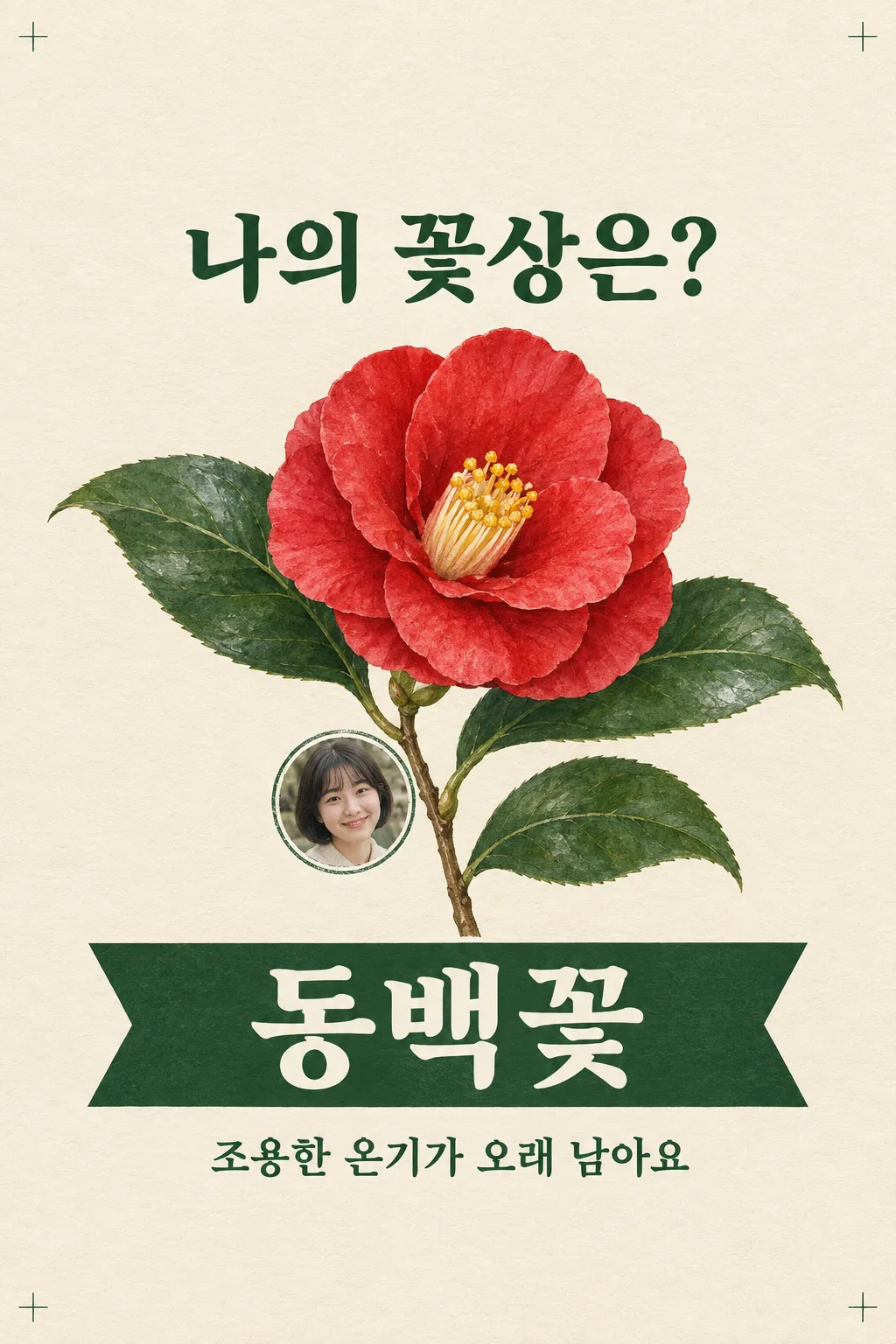
120나의 꽃상은?
자기 사진을 가진 사람이 꽃 한 송이로 표현한 결과 카드를 만들어 인스타 스토리나 스레드에 올려요.
칸 채우기
- 1칸을 채워요
- 2복사 버튼을 눌러요
- 3GPT 채팅창에 내 사진 1장을 올리고, 프롬프트를 같이 붙여넣어요
- 4내 사진 1장과 프롬프트가 둘 다 들어간 걸 보고 보내요
프롬프트 원문 보기 3,797자
Generate this image now. Draw it directly - do not describe it, explain it, or ask questions.
Output size 2480x3508 pixels, A4 portrait, 300dpi, print-ready poster.

[Purpose]
Create exactly ONE finished social result image titled "나의 꽃상은?" from ONE personal face photograph attached in this same message. The owner can directly share the image to an Instagram Story or Threads. This is a lighthearted metaphor about visible impression and a friend's description, never a scientific face classification, personality diagnosis, birthday flower, medical claim or fortune reading. The output is one vertical botanical specimen card: one recognizable person, ONE specific flower, its Korean name and a brief personal line. It must not become a list of flowers, a bouquet advertisement, a phone mockup, a collage of separate cards or a second image.

[Choose the result]
Look at the real photographed person's face, age impression, hair, complexion, expression and any glasses. Preserve "【사진에서 살릴 것】" only if it is genuinely present; the photo overrides an inaccurate note. Consider "【친구가 느끼는 분위기】" as a gentle subjective hint, not as verified character information. Choose one familiar non-toxic flower with a distinct shape and ordinary Korean name, for example camellia, sunflower, cosmos or iris. Do not choose several alternatives and do not claim facial geometry proves a flower identity. Avoid stereotyped judgments about age, gender, race or attractiveness. Use the same chosen flower in the illustration, the name and the one-line explanation.

[Fixed specimen composition]
Design a single warm ivory paper HERBARIUM specimen page with forest-green ink and one restrained coral accent. Keep the top 12% clear of essential text. At 17–25% print the large exact Korean question "나의 꽃상은?" in a sturdy editorial serif. ONE large hand-painted botanical stem and open flower occupy the FULL central width from 30–67%, like a pressed specimen mounted on paper. Do not make a side-by-side human-versus-flower comparison. Tuck the person's ONE recognizable photographic portrait into a SMALL circular archival photo seal overlapping the lower-left stem around 57–66%; it is secondary to the flower and not in a matching second frame. Add two tiny pencil registration ticks as decoration only. At approximately 68–77%, place a broad forest-green horizontal ribbon with the selected Korean flower name in large ivory characters. Below it place ONE short Korean explanation, 12–24 characters, with enough space and contrast to read on a phone. Keep the bottom 15% clear of important words. Do not put an answer in the title or repeat the flower name in the explanation.

[Copy]
The explanation should connect a visible expression with the subjective mood without pretending to know private facts. "【풀이 말투】" controls only the tone of this one line, never the layout, flower style or colors. Write a fresh natural Korean line; do not print field labels, the friend's full input, the phrase '알아서 골라줘', quotation marks, numeric scores, percentages, hashtags, Latin plant names or invented biography. Spell every Hangul syllable carefully. The title, result name and explanation are the only words on the image. If the model cannot draw a specific flower accurately, favor a simpler common blossom rather than mislabeled botanical anatomy.

[Finish]
Use watercolor petals with physically plausible layers, leaf attachment and one slender stem. Add fine pencil lines and a little paper tooth; keep the portrait faithful to the photo rather than turning it into a generic fashion model. Make the answer ribbon the second most visible element after the flower. No logo, stock photo watermark, decorative fake handwriting, extra human, extra blossom species, 3D plastic, neon, film frame, app chrome, output variants, cropping or code. Return only the completed single card image.
이 카드도 많이 사용해요
쓰는 법 · 자주 묻는 것
이런 때 쓰세요
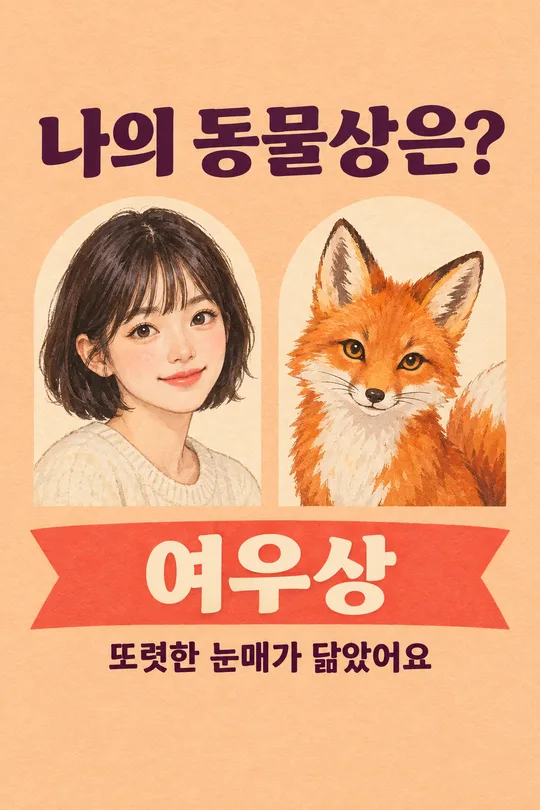
친구와 “내 분위기를 꽃으로 표현하면 뭘까?” 하고 이야기할 때 사진 한 장으로 결과를 만들어 보세요. 꽃 그림이 도감 표본처럼 가운데를 크게 채우고, 얼굴 사진은 꽃줄기 아래쪽의 작은 원형 인장에 담깁니다. 아래 짙은 녹색 띠에 꽃 이름이 큼직하게 적혀 스토리 목록에서도 주제를 알아볼 수 있습니다. 동물상 카드의 두 얼굴 비교와 달리 꽃 한 송이가 화면의 주인공입니다.
칸 채우는 법
사진에서 살릴 것은 실제로 보이는 웃음, 눈매, 머리, 안경 가운데 하나만 적으세요. 친구가 느끼는 분위기는 부드러운 힌트입니다. GPT가 사진과 그 말을 보고 꽃 하나를 고르므로 꽃 종류를 고르는 칸은 없습니다. 풀이 말투는 아래 한 줄의 느낌만 바꾸고 도감 배치나 수채화 그림체를 바꾸지 않습니다. 얼굴이나 성격을 진단받는 도구는 아닙니다.
사진을 넣는 순서
- 본인 사진이나 사진 사용을 허락받은 사람의 얼굴 사진 한 장을 GPT 입력창에 올리고 아직 보내지 마세요.
- 같은 입력창에 복사한 프롬프트를 붙여넣으세요.
- 사진과 글이 함께 보이는지 확인한 뒤 한 번만 보내세요.
그림이 나오면 꼭 볼 것
얼굴이 원본과 닮았는지, 그림의 꽃 모양과 띠에 쓴 꽃 이름이 같은지 보세요. 여러 꽃을 한꺼번에 넣으면 한 가지 결과를 공유하는 재미가 흐려집니다. 수치나 성격 진단처럼 단정하는 문장도 이 카드의 의도와 맞지 않습니다. 꽃 이름과 한 줄 풀이의 한글을 읽어 보고 오타가 있으면 쓰지 마세요.
틀린 곳 고치는 법
얼굴이 흐리면 얼굴이 조금 더 크게 나온 원본을 고르세요. 꽃 이름과 꽃 그림이 다르면 같은 내용을 새 대화에 사진과 함께 한 번에 다시 넣어 완성 이미지 한 장을 받으세요. 풀이가 길어지면 친구의 분위기 칸을 간결하게 바꾸는 것이 좋습니다. 나온 그림을 잘라 붙여 카드로 조립할 필요는 없습니다.
자주 묻는 것
- 태어난 달의 탄생화인가요? 아니요. 얼굴 인상과 입력한 분위기를 꽃에 빗댄 놀이입니다.
- 꽃을 직접 고르나요? 아니요. 한 번에 한 송이를 골라 보여 줍니다.