

All · Comics & illustration · Scenery
484Hand-drawn Neighborhood Postcard
Turn a neighborhood name, lane, little shop and seasonal sky into a handwritten pen-and-watercolor postcard.
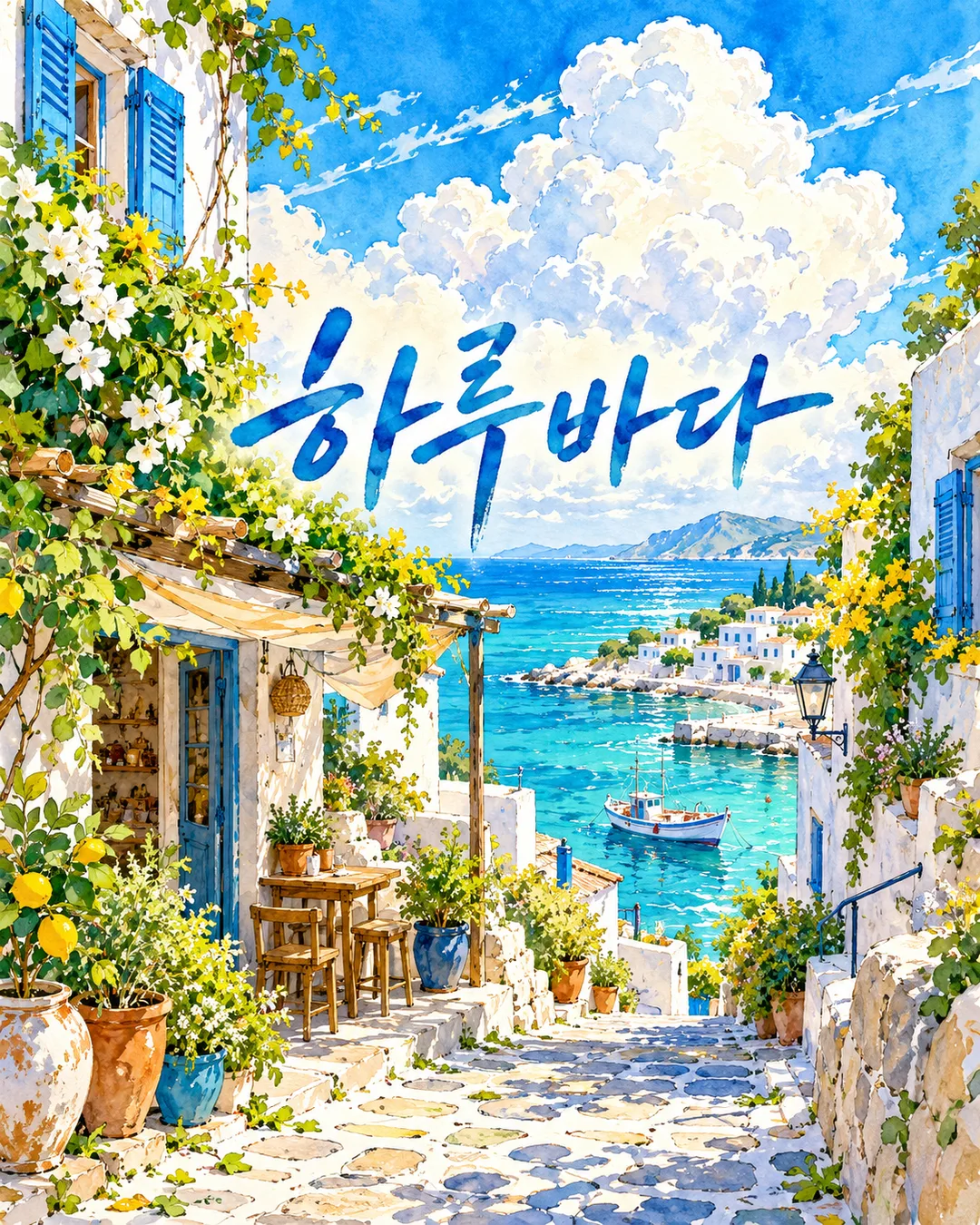
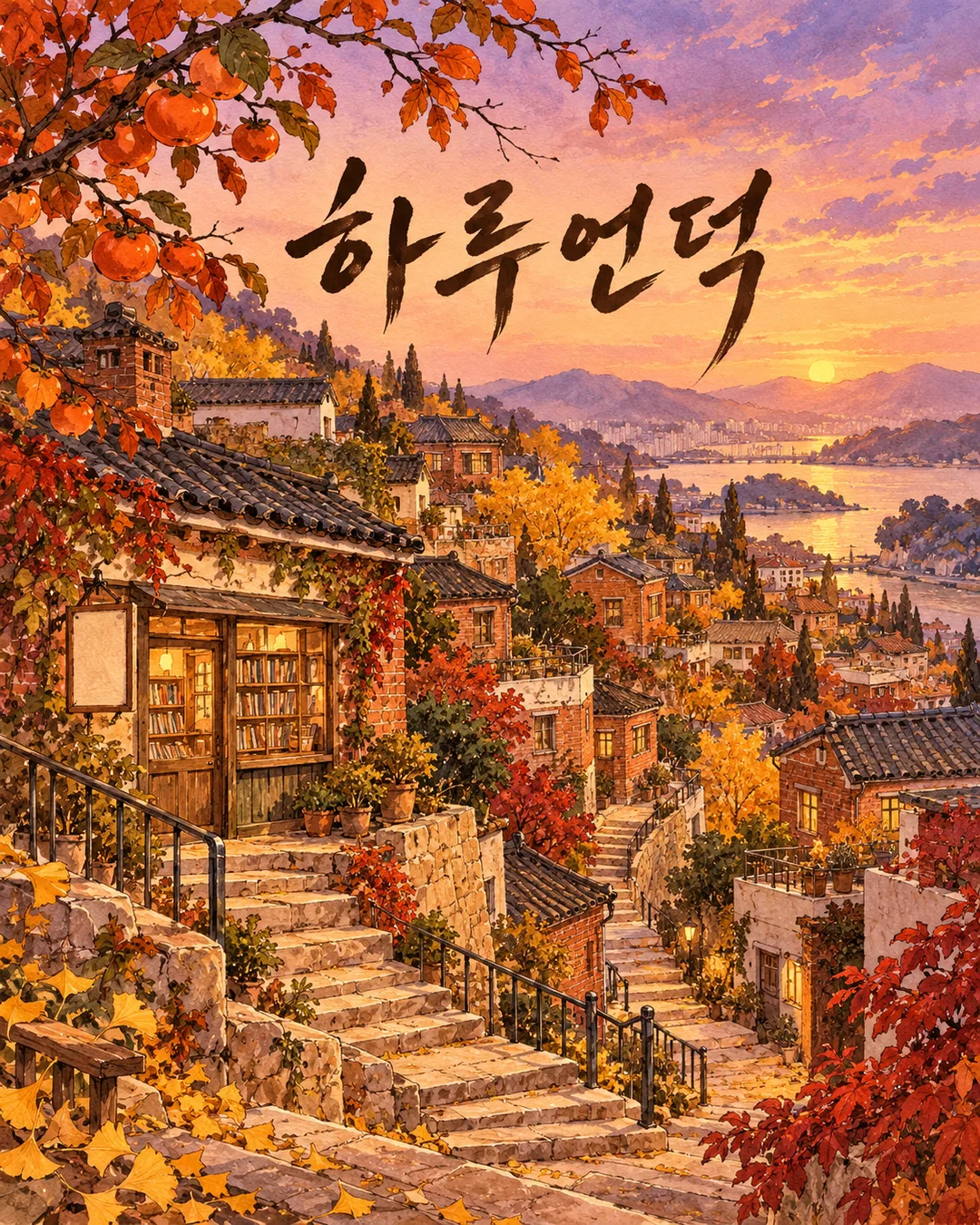
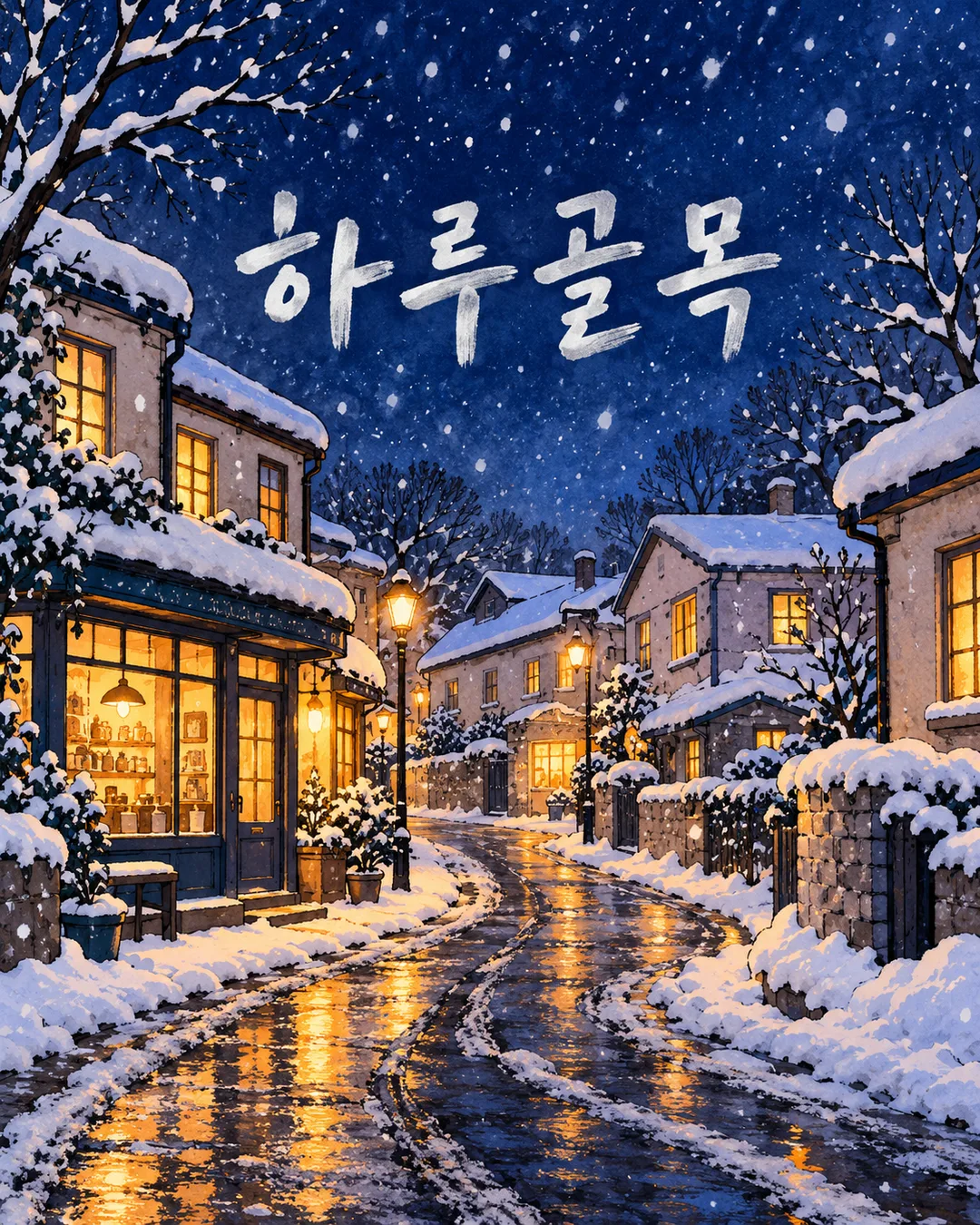
Fill in the fields
- 1Fill in the fields
- 2Copy the prompt
- 3Paste it into a GPT chat
- 4Send it as is and you get an image like the thumbnail example
- 5Attach a real photo that fits the card and it is used in the result: a background photo for background cards, a person or food photo for those cards Optional
Full prompt 2,951 characters
Generate this image now. Return exactly ONE finished neighborhood postcard illustration, no explanation or code.
Output size 1080x1350 pixels, 4:5 portrait, Instagram standard.
Use the selected aspect ratio, default portrait 4:5. Fill every edge with the illustration itself, never a photograph of a card, a mockup, collage, blank border or multiple files.
Neighborhood name: "【Neighborhood name】". Scenery: "【Scenery】". Season: "【Season】".
For blank or "Choose for me" name use "Haru Town"; for blank or automatic season use spring; for blank or automatic scenery invent a coherent lane, little independent shop and sky appropriate to that season. Keep explicit scenery details and make its weather and foliage match the selected season. These are fictional imagined views, not claims of geographic accuracy.
Paint the neighborhood name exactly once as large beautiful English hand-brush lettering, verbatim, with every character correct and readable on a phone. The name is the ONLY visible text. Do not translate a supplied title, add a season caption, sign, numbers, dates, labels, notes, signatures or watermarks. Place the name in the middle 60 percent, clear of busy architecture, leaving the top 12 and bottom 15 percent free of essential lettering while artwork continues to the edges.
Create original accomplished pen-and-watercolor travel illustration: layered foreground lane and plants, inviting small shop in the middle distance, buildings and generous expressive sky beyond. Use natural architectural perspective and varied details, not cloned windows and repeated props. Integrate the title into sky or a light wash rather than an opaque advertising banner.
Adapt the pen-watercolor treatment to the season without changing the postcard format: spring uses fine irregular ink lines and luminous blossom washes; summer uses loose fountain-pen contours, fluid transparent cyan and lemon washes; autumn uses expressive rough sepia dip-pen, granulating russet and lavender sunset; winter uses thicker playful navy outlines, simplified graphic silhouettes, pale snowy washes and amber window light at blue hour. Let the supplied scenery determine a fresh composition; do not repeat one hillside staircase for every location.
All shops, architecture and objects must be original fictional designs. No real brands, logos, famous products, existing characters, copied landmarks or recognizable people. Depict no people. Do not mimic an artist or copy any reference artwork or lettering.
Before finishing, read the title character by character, check the season and exact single-image format, and return only the finished artwork.

[Final output format]
Output size 1080x1350 pixels, 4:5 portrait, Instagram standard.
This selected output format takes priority over any fixed canvas size or aspect ratio elsewhere in this template. Adapt the composition, text zones and margins to the selected canvas without stretching or cropping essential content. Device safe areas apply only when a device is selected. Never print these format instructions on the image.
How did it turn out?
You may also like


How to use it · FAQ
A small walk worth keeping
Make a postcard for a neighborhood memory, moving announcement or seasonal greeting. A large handwritten place name anchors a continuous scene of a lane, a little independent shop and open sky. This is an imagined illustration based on words, rather than a photo conversion or a verified record of a real location. No photo is needed. The default is portrait 4:5; use the shared size menu to change the aspect ratio.
Three required fields
Neighborhood name is the exact title painted on the postcard. Keep it short; the default is Haru Town. Scenery describes the route, buildings and sky, such as white houses with blue shutters beside the sea. Season changes the foliage, snow, daylight and watercolor palette. Each field offers Choose for me. Blank fields behave the same way: use Haru Town for the name, Spring for the season and a fitting fictional lane with a little shop for the scenery. Never display the automatic-choice label on the artwork.
Seasonal pen and watercolor
Spring uses fine ink and luminous blossom washes. Summer opens into loose contours and transparent blue watercolor. Autumn brings sepia pen strokes and granulating sunset color. Winter uses stronger navy outlines and pale snow against warm windows. These are seasonal treatments of the same postcard format, rather than different output types. The gallery demonstrates a summer coast, an autumn hillside bookshop and a snowy winter lane; the spring listing cover is a separate drawing. Gallery artwork shows the Korean sample titles; this language version requests English lettering.
Check before saving
Paste the completed prompt into an image AI once to request one finished image. Zoom in and compare every letter of the name, then check the season and that the illustration fills the frame. If a title is misspelled, request the exact spelling while retaining the scene. Is it an accurate local map? No: describe the distinctive buildings and route in Scenery if those matter to your memory. Shops and props are original fictional designs, with no real logos, recognizable people or copied products. External service pricing and terms are determined by that service.