

All · Comics & illustration · People
598Monochrome dotwork portrait
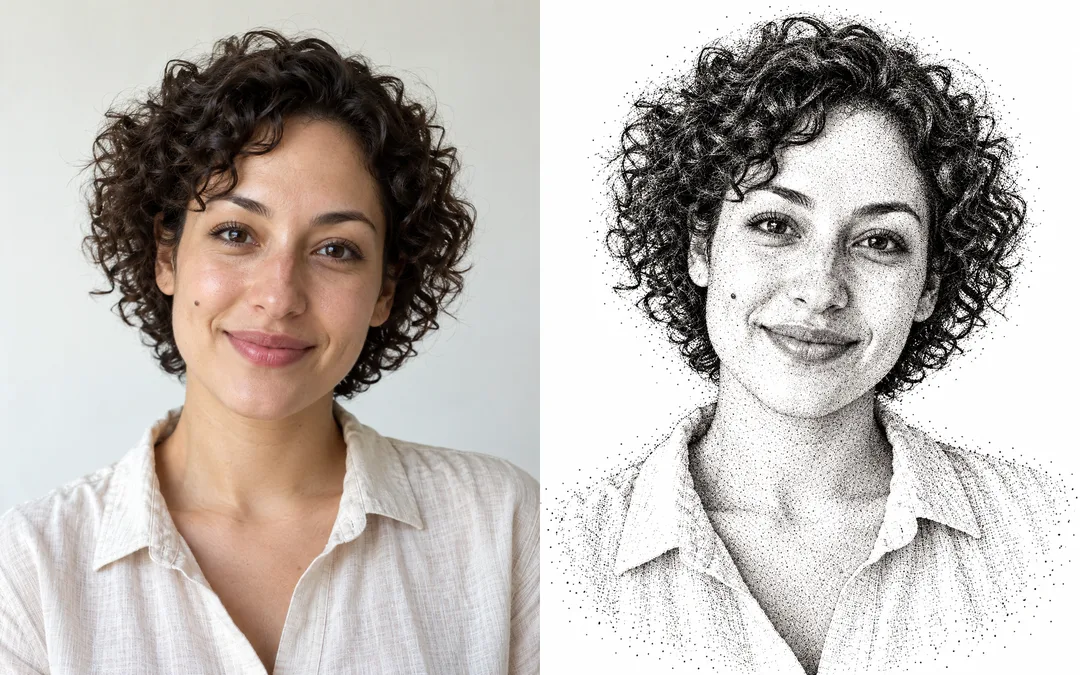
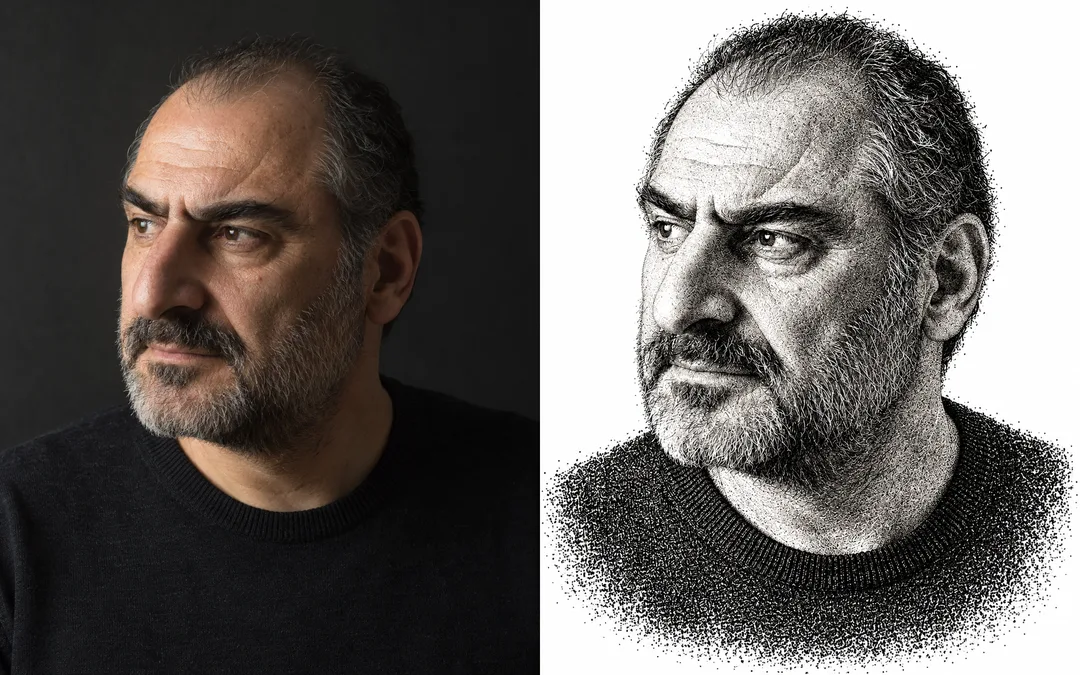
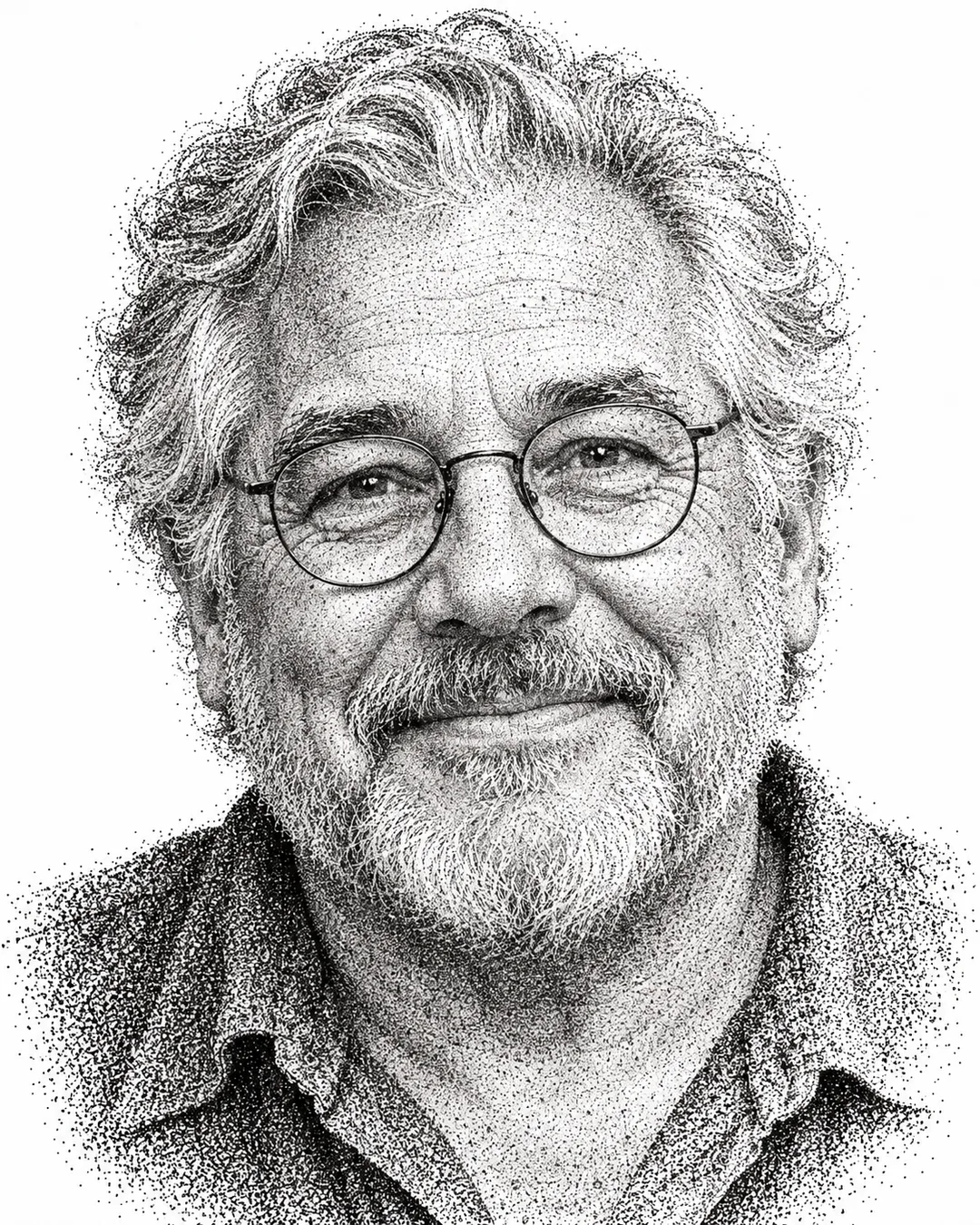
Turn a personal photo into a rough black-ink dotwork portrait while keeping its recognizable face.
What you get
- One monochrome dotwork portrait
- Recognizable facial features in irregular ink dots
ChatGPT Free OK
Fill in the fields
- 1Fill in the fields
- 2Copy the prompt
- 3Paste it into a GPT chat
- 4Send it as is and you get an image like the thumbnail example
- 5Attach a real photo that fits the card and it is used in the result: a background photo for background cards, a person or food photo for those cards Optional
Full prompt 2,787 characters
Generate this image now. Deliver the image directly, without explanations or questions.
Output size 1080x1350 pixels, 4:5 portrait, Instagram standard.
Photo description: "【Photo】". This describes the subject only and is never rendered as text. If empty, rely on the attachment; without an attachment, invent a fictional adult.
Dot density selected: "【Dot density】".
- Sparse: Sparse.
- Balanced: Balanced.
- Dense: Dense.
If empty, use Balanced.

Create exactly one finished monochrome dotwork portrait illustration, filling the requested canvas with a large head-and-shoulders subject. Use black ink marks on white paper: coarse irregular stippled dots, clusters of tiny broken specks, porous shadow masses and crisp untouched highlights. Build facial planes through dot spacing, never smooth gray airbrush, pencil hatching, continuous contour outlines, photographic grayscale, regular halftone grids or vector dots. Keep sharp readable eyes, nose, lips and distinctive facial proportions. Let the outer hair and shoulder edges dissolve into scattered grain. Keep the background quiet and white, with the head and shoulders occupying most of the frame rather than a tiny floating vignette. No frame, mockup or decorative objects.
PHOTO RULE: When a photo is attached, preserve the same person's facial proportions, eye spacing, nose shape, mouth, approximate age, hair silhouette, facial hair, visible distinguishing marks, expression and head angle. Translate lighting into dot density without beautifying or replacing the person. Remove background clutter and clothing logos. Use the photo only as an identity and pose reference, not as a photograph with a grain filter. If no photo is attached, invent one original fictional adult with no recognizable resemblance to any real person; complete the illustration without asking questions.
Density changes only dot coverage, never the illustration style or identity. Sparse means broad white highlights and open cheeks with clustered shadows beneath hair and chin. Balanced means readable middle planes and porous dark hair with distinct white gaps. Dense means deeper eye, hair and neck shadows made of closely packed irregular specks while retaining open facial highlights and clearly separated features.
No words, letters, numerals, names, captions, signature, watermark, logos, famous characters, celebrity likenesses or imitation of a named artist. Never print internal labels. Deliver only the single finished image.

[Final output format]
Output size 1080x1350 pixels, 4:5 portrait, Instagram standard.
This selected output format takes priority over any fixed canvas size or aspect ratio elsewhere in this template. Adapt the composition, text zones and margins to the selected canvas without stretching or cropping essential content. Device safe areas apply only when a device is selected. Never print these format instructions on the image.
How did it turn out?
You may also like
How to use it · FAQ
Use this card to turn a personal photograph into a black-ink portrait built from irregular dots and white gaps. Facial planes are redrawn through dot spacing rather than covered by a grain filter. The result suits a personal profile, a keepsake portrait or a monochrome feed.
Photo is an optional description, such as “A front-facing portrait of Haru”. It is not printed and does not replace a file attachment. Attach one clear portrait and paste the copied prompt into the same message in an image-making chat, then send them together. Both fields are optional. Without an attachment, the prompt creates an original fictional adult, even if a photo description is supplied. With no description, the attached photo still controls the face.
Choose Sparse, Balanced or Dense. Sparse keeps broad white areas on the cheeks and forehead; Balanced models the face with readable middle planes; Dense deepens hair and neck shadows with close irregular specks. A blank selection means Balanced. Density changes coverage within the same dotwork style. The default ratio is 4:5; use the common size selector to change it.
Check eye spacing, nose tip, mouth, hairline and expression against the original. If the marks look like a regular grid or a grayscale photo, request irregular dots with visible white gaps. If features merge, try Sparse with the same photo. Preserve glasses and facial hair while removing clothing logos and background clutter.
The planned comparison panels place a fictional source photo on the left and its transformation on the right. A bright smiling portrait uses Sparse; a quiet, serious portrait uses Dense. The cover and standalone gallery portrait feature separate subjects. No names, numbers or signatures appear in the artwork. Use a photo you own or have permission to use, and check the external image service’s pricing and terms.