All · Social posts · Memes
191If I were stationery
Turn a real habit and your portrait into one playful stationery metaphor to share.
Fill in the fields
- 1Fill in the fields
- 2Copy the prompt
- 3Upload one photo of your face and paste the prompt into your GPT chat
- 4Check that both the photo and prompt are attached, then send
Full prompt 4,372 characters
Generate this image now. Draw it directly - do not describe it, explain it, or ask questions.
Output one landscape A3 poster, 420 x 297 mm, aspect ratio 1.414:1. Use the largest supported resolution. Final print target: 4961x3508 pixels at 300dpi. Keep all text at least 10 mm inside the edges.

[Purpose]
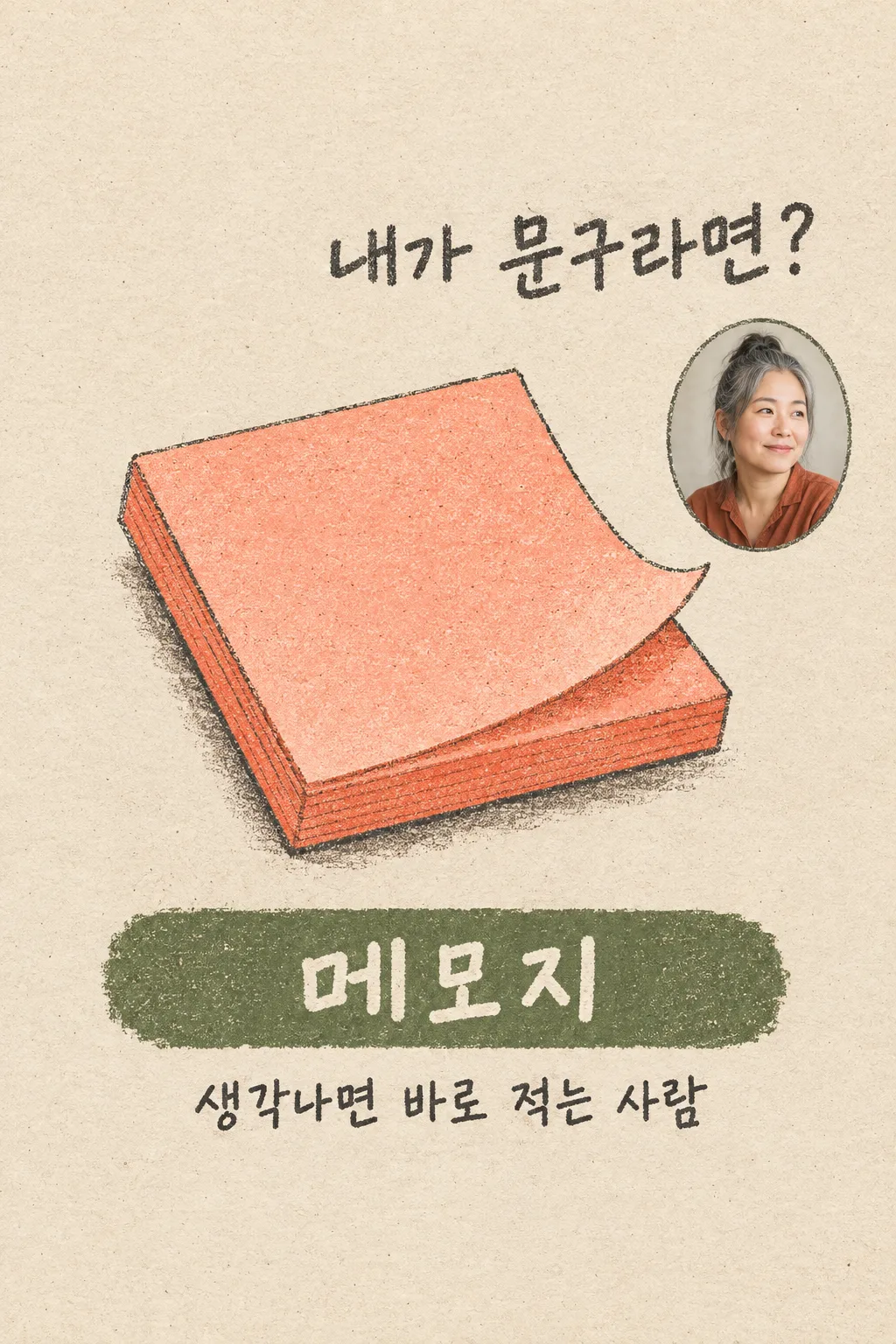
Create one personal introduction asking "If I were stationery?". This is a visual metaphor from a self-described habit, never a personality diagnosis or shopping recommendation.
[Scene]
Read "【My habit】" and choose one unbranded memo pad, eraser, highlighter, paper clip or notebook as a natural metaphor. Draw only that one item enlarged at a gentle diagonal. Invent a brief explanation of at most eight words in the tone "【Comment tone】". The face never determines the answer. No product model or score.
[Attached photo]
Preserve the actual face, apparent age, skin tone, hair and eyewear in a small oval photographic inset at x70-92%,y41-57%. Keep the face photographic and the object illustrated.
[Text layout]
Question in ONE modest charcoal hand-lettered line, total ink height no more than70pixels at1024pxwidth at y24-30%. One large object at x12-68%,y37-64%. Its English name appears in a moss-green answer band at y67-74%, with the short pencil comment at y78-83%.
Optional name only: "【Name】" below the photo at y58-60%.
[Style]
One fixed vintage lithographic illustration on oat paper: charcoal grain, coral object accents and moss-green answer band. Uneven ink edges and subtle offset flecks. All answers keep this medium, composition and hierarchy. Correct connected sheets, clip bend or notebook spine; no logos.
[Visual hierarchy]
Question clear but moderately sized, illustrated object second, large answer third, comment fourth and photo small. No stationery set or multiple options.
[Lighting and texture]
Flat printed pigment and a restrained drawn shadow. Natural light in the photographic inset. No desk photograph, glossy3D or product catalog.

[Text rules]
Use only the requested visible copy in the target language. Resolve an automatic-copy instruction into an original short line; never print the instruction itself. Preserve user-supplied names, spelling, numbers and punctuation. Input labels, section headings and placeholders are not visible copy. Every optional field stays on its own instruction line so that leaving it empty removes only that item. Never add a date, price, discount, quantity, prize, origin, business condition, scientific statistic or claim about a real person that the user did not provide. Personal inputs affect content only; keep this one art medium, one layout and one finished result type.

[Avoid and delivery]
Return exactly ONE complete raster image directly. All requested elements belong on the same canvas. Do not run code, provide an explanation instead of an image, create separate panels as separate files, require another message, offer variants, or ask the user to cut and assemble anything. No device mockup, promotional wrapper, brand logo, packaging imitation, existing fictional character, artist signature, celebrity or watermark. Finish the selected canvas edge to edge. Maintain the fixed composition when the selected aspect ratio changes by adapting spacing, without cutting important parts or adding a second result.

[Legibility]
Keep essential lettering inside x7-93% and y14-84% of the image. The upper12% and lower15% contain no important text. At a1024x1536 cover, all essential ink is below y215 and above y1290. Use clearly connected natural letters, comfortable spacing and strong contrast. Do not let faces, decorative marks, food highlights or shadows obscure the words. Large lettering must still identify this result in a three-column list. Handwritten copy is legible pencil handwriting, never tiny ornamental cursive.

[Strict bounding boxes for the complete picture]
The TOP15% is completely empty paper. The BOTTOM17% is completely empty paper. No lettering or ornament can enter these areas. Fit the ENTIRE question inside y24-30%, not just its baseline. Fit the ENTIRE illustrated object inside y36-62%; limit its height so it cannot push the answer downward. Fit the ENTIRE answer band inside y65-73%, and the ENTIRE comment lettering inside y77-82%. All three text blocks have a strict bottom edge before y82%. For1024x1536: title ink y369-460, object y553-952, answer ink y998-1121, comment ink y1183-1259. Keep all text well inside these boxes. Leave the lower277pixels blank. These generous margins are part of the finished result and not a cropping request.
You may also like
How to use it · FAQ
A habit you can show
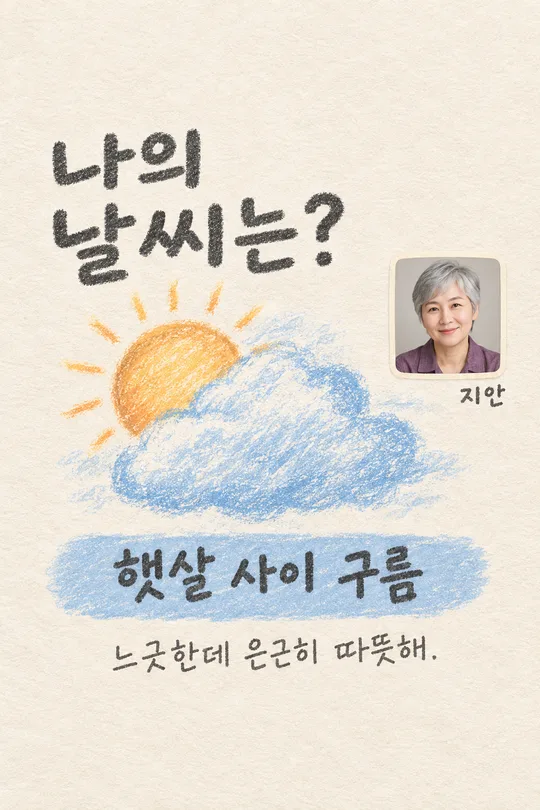
Share your habit as one everyday stationery object. The fixed question, oversized illustrated answer, small real portrait, green answer band and brief comment form one finished image for Stories or Threads. Friends can compare their answers. This is a playful introduction, not a product list or a purchase suggestion.
Give a concrete habit
Write something you actually do: jotting down ideas, marking passages, keeping old notes or trying again after a mistake. The examples can be changed into your own words. Witty, Gentle and Plain change only the explanation. Your face does not determine a personality label. Name is optional and removing it removes only the small signature beneath the photo. No address, birthday or contact information is needed.
One photo and one message
Upload one clear photograph of yourself without sending it yet. Paste the completed prompt into the same message, check that both are present, then send once. If the photo was already sent, add a request to use the photo above. The intended output is one image directly, without code, separate pages or cutting. The preview uses a fictional person and an example answer.
Look at the answer
The stationery object should have coral printed grain, while your small oval portrait stays photographic. Check the question, object name and short explanation. There should be one object, not a shop display or several possible answers. If the metaphor misses your meaning, replace the habit with a more concrete action. Quote an exact replacement line when repairing a spelling error.
Questions
- Does my face decide my personality? No. Your supplied habit provides the metaphor.
- Can I omit the name? Yes. The rest of the image stays complete.
- Was this generated in the free GPT interface? The cover was checked through the specified image API; a free-interface generation test was not performed.