項目を入力
- 1項目を入力します
- 2プロンプトをコピーします
- 3GPTのチャットに自分の顔写真1枚とプロンプトを一緒に送ります
- 4写真と文章の両方が入っていることを確認します
プロンプト全文を見る 4,180文字
Generate this image now. Draw it directly - do not describe it, explain it, or ask questions.
A3横、420×297mm、縦横比1.414:1のポスターを1枚作成してください。生成できる最大解像度を使い、印刷用の最終目標は4961×3508ピクセル、300dpiです。文字は紙の端から10mm以上内側に置いてください。

[Purpose]
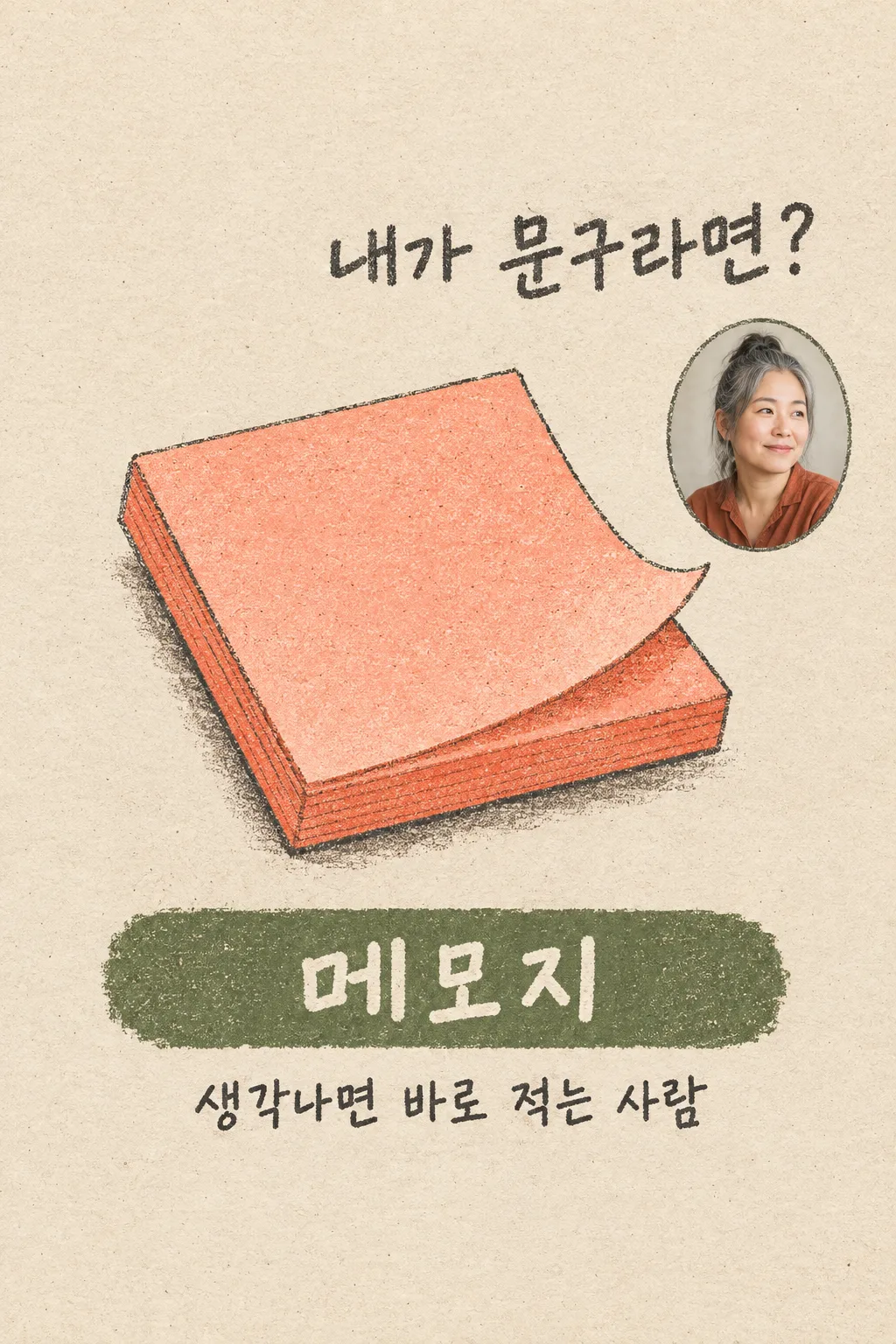
Create one playful introduction asking "私が文房具だったら?". A stationery item is a metaphor for a self-described habit, not a diagnosis or shopping recommendation.
[Scene]
Read "【私の習慣】" and choose one unbranded memo pad, eraser, highlighter, paper clip or notebook. Draw just this enlarged object at a gentle diagonal. Invent one natural Japanese object name and a comment of at most eighteen Japanese characters in the tone "【ひとことの口調】". The face never supplies personality information.
[Attached photo]
Preserve the attached face, age, skin tone, hair and eyewear in one small oval photographic inset at x70-92%,y41-57%. Object illustrated, photo photographic.
[Text layout]
Exact question in ONE modest charcoal hand-lettered line, total ink height no more than70pixels at1024pxwidth at y24-30%. Object at x12-68%,y37-64%. Japanese answer in a moss-green band at y67-74%,large pencil comment at y78-83%.
Optional name only: "【名前】" beneath the inset at y58-60%.
[Style]
Fixed vintage lithographic ink on oat paper, charcoal outlines, coral object and moss-green answer band. Subtle grain and uneven ink edges. Correct stationery structure without a logo. No medium or layout variation.
[Visual hierarchy]
Question clear but moderately sized, object next, readable answer, short comment and small portrait. One item, never several candidates.
[Lighting and texture]
Flat printed ink and light drawn shadow; natural light in the real-photo inset. No glossy3D, shop catalog or score.

[Text rules]
Use only the requested visible copy in the target language. Resolve an automatic-copy instruction into an original short line; never print the instruction itself. Preserve user-supplied names, spelling, numbers and punctuation. Input labels, section headings and placeholders are not visible copy. Every optional field stays on its own instruction line so that leaving it empty removes only that item. Never add a date, price, discount, quantity, prize, origin, business condition, scientific statistic or claim about a real person that the user did not provide. Personal inputs affect content only; keep this one art medium, one layout and one finished result type.

[Avoid and delivery]
Return exactly ONE complete raster image directly. All requested elements belong on the same canvas. Do not run code, provide an explanation instead of an image, create separate panels as separate files, require another message, offer variants, or ask the user to cut and assemble anything. No device mockup, promotional wrapper, brand logo, packaging imitation, existing fictional character, artist signature, celebrity or watermark. Finish the selected canvas edge to edge. Maintain the fixed composition when the selected aspect ratio changes by adapting spacing, without cutting important parts or adding a second result.

[Legibility]
Keep essential lettering inside x7-93% and y14-84% of the image. The upper12% and lower15% contain no important text. At a1024x1536 cover, all essential ink is below y215 and above y1290. Use clearly connected natural letters, comfortable spacing and strong contrast. Do not let faces, decorative marks, food highlights or shadows obscure the words. Large lettering must still identify this result in a three-column list. Handwritten copy is legible pencil handwriting, never tiny ornamental cursive.

[Strict bounding boxes for the complete picture]
The TOP15% is completely empty paper. The BOTTOM17% is completely empty paper. No lettering or ornament can enter these areas. Fit the ENTIRE question inside y24-30%, not just its baseline. Fit the ENTIRE illustrated object inside y36-62%; limit its height so it cannot push the answer downward. Fit the ENTIRE answer band inside y65-73%, and the ENTIRE comment lettering inside y77-82%. All three text blocks have a strict bottom edge before y82%. For1024x1536: title ink y369-460, object y553-952, answer ink y998-1121, comment ink y1183-1259. Keep all text well inside these boxes. Leave the lower277pixels blank. These generous margins are part of the finished result and not a cropping request.
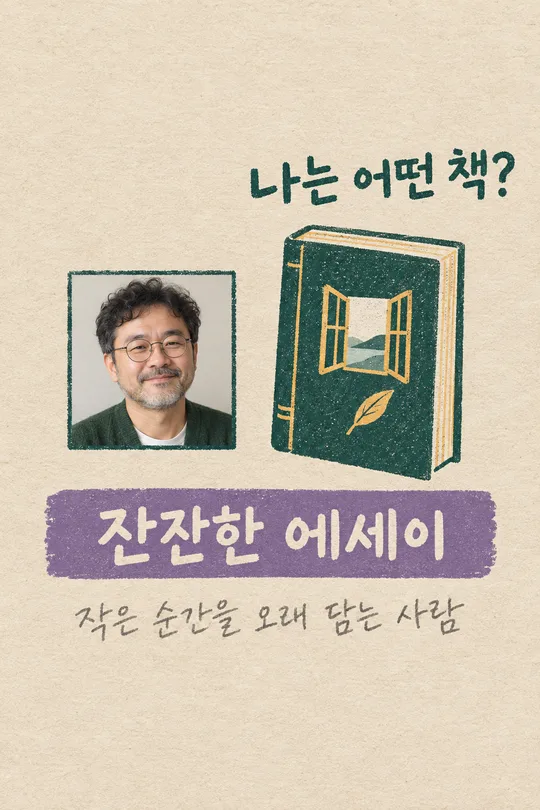
こちらのカードも人気です
使い方・よくある質問
習慣をひとつの文房具に
思いついたらすぐ書く、間違えたらやり直すなど、自分の日常を文房具にたとえる紹介画像です。大きな道具の絵、小さな顔写真、緑の答え帯、短いひとことが一枚に収まります。ストーリーズやThreadsで友達と比べてみてください。買い物のおすすめや本当の性格診断ではありません。
自分の言葉を入れます
私の習慣には、実際にする行動をひとつ書きます。例を押してから自分の言い方に直しても大丈夫です。口調は説明の雰囲気だけを変え、印刷の絵柄や配置は変えません。名前は任意です。空欄なら写真の下の署名だけが消えます。生年月日や連絡先は必要ありません。
写真と文章を一緒に送る
自分の顔がはっきり見える写真をGPTの入力欄に入れ、まだ送信しないでください。完成したプロンプトを同じ欄に貼り付け、両方が入ったことを確かめて一回送ります。写真だけ先に送った場合は、上の写真を使うよう文章を添えます。完成画像は一枚で、コード実行や切り貼りは不要です。表紙の人物と答えは架空の例です。
絵と答えを確認
文房具はサンゴ色の印刷風、顔は小さな実写写真のままです。質問と名前の字が正しいか、自分の習慣と説明がつながるか見てください。複数の道具や買い物価格が出た場合は、このカードの形から外れています。文字の修正は置き換えたい文を正確に指定します。
よくある質問
- 顔で性格を判定しますか? いいえ。本人が書いた習慣から選ぶ比喩です。
- 名前は省けますか? はい。小さな署名だけがなくなります。
- 無料GPTで生成を試しましたか? 表紙は指定画像APIで確認しました。無料GPT画面での実生成試験は行っていません。