
All · Comics & illustration · Memes
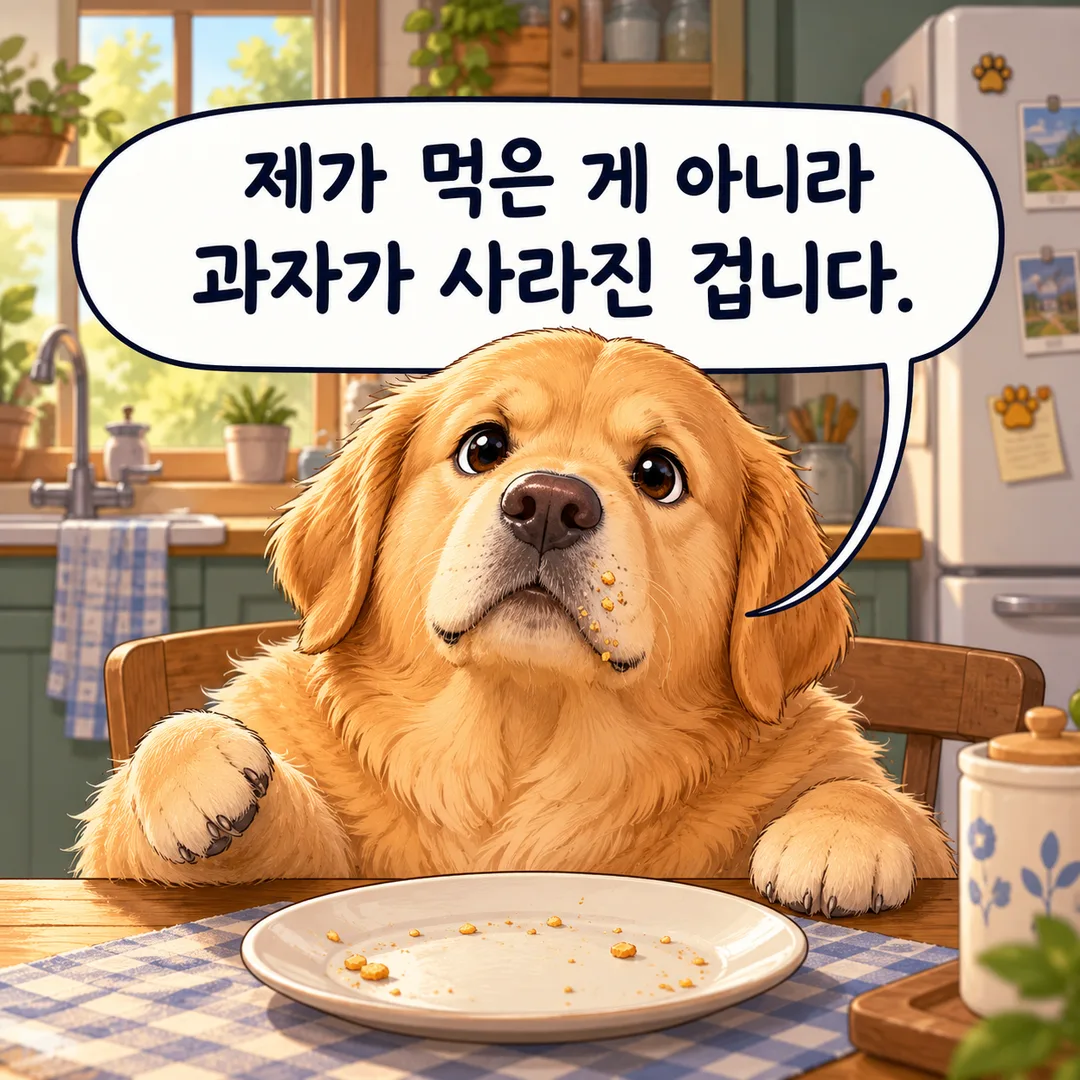
061Talking Golden Retriever Meme — a very serious little speech
Turn a situation and your exact words into one plump animal reaction meme. A golden retriever is the default; name another species in the situation to change the animal.
Fill in the fields
- 1Fill in the fields
- 2Copy the prompt
- 3Paste it into a GPT chat
- 4Send it as is and you get an image like the thumbnail example
- 5Attach a real photo that fits the card and it is used in the result: a background photo for background cards, a person or food photo for those cards Optional
Tested by us
- Test date
- 2026-10-29
- Tool
- ChatGPT image model (run in Codex) — same model as free ChatGPT, only limits differ
- Result
- Pass
- What worked
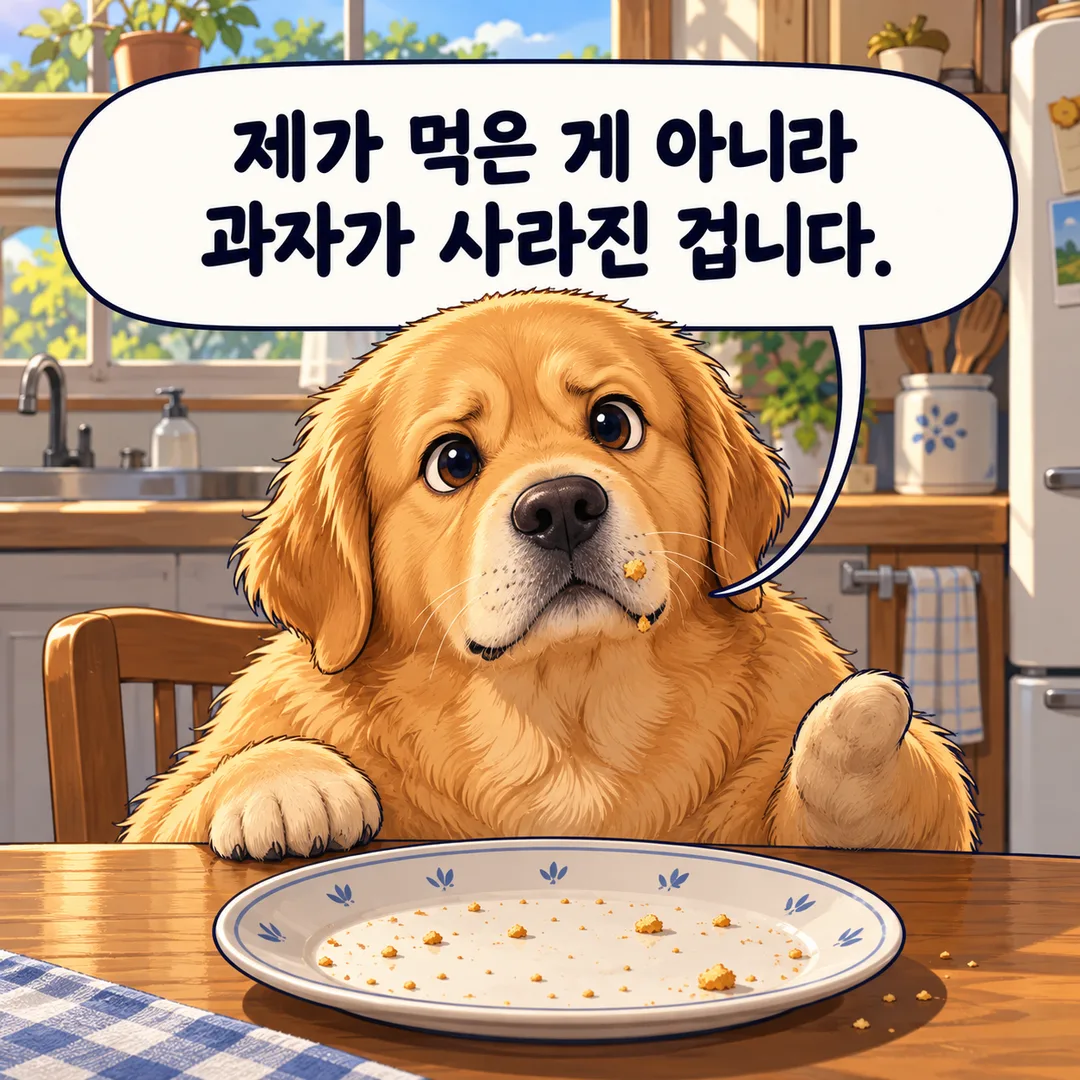
- All 6 images are 1254×1254 square single panels featuring a Golden Retriever, serious expression, empty plate with crumb remnants, and a large white speech bubble. The dialogue text, spacing, periods, and specified two lines were maintained. No human face, human hand, title, name tag, signature, or watermark. After revision, the tail extended longer, bringing it closer to mouth height than the original result.
- What did not work
- None
- How to improve
- Specifying that the speech bubble tail should extend long beside the cheek and curve inward at mouth height improved the tail direction. Specifying to place a background band at the top and position the speech bubble below it brought the text down to about the top 13% in the second final result. However, neither of the 2 attempts guaranteed identical margins or exact mouth connection.
Full prompt 3,669 characters
Generate this image now. Draw it directly, do not explain or ask questions.
Output size 1080x1080 pixels, 1:1 square post. Keep all text fully readable.
Create exactly ONE finished single-panel animal reaction meme as ONE image. Default aspect ratio 1:1; follow the supplied size. One continuous scene, no panel grid, no carousel or collage.
Situation: "【Situation】"
Exact dialogue: "【Dialogue】"
If the situation is empty or Choose for me, use an original plump golden retriever named Toby at a kitchen table, an empty biscuit plate and a crumb on its muzzle. If the situation explicitly names another animal, use that animal instead; otherwise always use a golden retriever. Names in the situation identify fictional characters but are not printed unless included in the dialogue. The situation controls action, props, location and mood, never the drawing style or number of panels.
If dialogue is empty or Choose for me, invent one short English deadpan line in at most two lines, suited to the situation. Otherwise render the supplied dialogue VERBATIM, preserving letters, spelling, punctuation and supplied line break. Interpret <br> as a line break. Never translate, paraphrase, correct, add a catchphrase or print quotation marks not supplied. Wrap a single long line into at most two balanced lines without changing the text.
Visual signature: original plump animal with real animal anatomy, large glossy expressive eyes, solemn almost over-serious expression, defined muzzle or beak, soft cheek shapes, rounded little paws or flippers. No human girl, human face, human hair or human hands. Clean thick deep-navy contour, polished warm cel shading with subtle fur or feather detail, rich scene colors. Cute and funny through the contrast between a serious animal and its words; tender dialogue may use a determined protective look. Keep this same illustration style for every situation and species.
Composition: show a broad, clearly visible horizontal band of scene background ABOVE the speech balloon, occupying the entire top fifth of the image. The balloon must sit BELOW that background band, with its top edge one fifth down the canvas, never against the top border. Place the exact two dialogue lines inside this balloon, dark highly legible English lettering, all lettering between 23 and 40 percent of image height. The plump animal occupies the lower 55–65 percent; show its head below the balloon and its paws at the table. A long, thin curved speech tail travels down through the open background beside the animal cheek, then turns inward to finish directly beside its mouth at the same height as the mouth. Leave visible background between the tail and the ear; do not end the tail at the ear or head top. Keep text out of the top 12 percent and bottom 15 percent. Let scene and props fill the frame to every edge, no blank poster margins, no paper mockup, no decorative frame. Show only the relevant few props; the action must match the joke. No title, captions, labels, name tag, explanatory notes, logos, signature or watermark.
Invent original characters and objects, do not imitate famous characters, artists, brands or product designs. Before returning, silently compare every balloon character to the exact supplied dialogue, fix any omission or misspelling and ensure the tail points to the speaking animal. Return only the finished image.

[Final output format]
Output size 1080x1080 pixels, 1:1 square post. Keep all text fully readable.
This selected output format takes priority over any fixed canvas size or aspect ratio elsewhere in this template. Adapt the composition, text zones and margins to the selected canvas without stretching or cropping essential content. Device safe areas apply only when a device is selected. Never print these format instructions on the image.
How did it turn out?
You may also like
How to use it · FAQ
One serious animal, one small joke
Make a finished reaction image for a chat reply or a square social feed. The comedy comes from a plump animal taking its own words extremely seriously: an empty biscuit plate becomes a matter for solemn explanation. The result is one continuous scene with one speech balloon, rather than a sequence of panels. A real animal muzzle, paws or flippers distinguish this design from a human character wearing animal ears.
Fill in the scene
There is 1 required field: Situation. Write who is there, where they are and what just happened. Mention a capybara or a penguin explicitly if you want that animal; otherwise the character is a golden retriever. All animals keep the same rounded proportions, defined features, thick dark contour and warm cel shading. A character name identifies the fictional subject but is not printed on a name tag. If the situation is empty or you choose Choose for me, the default is a golden retriever at a kitchen table with an empty biscuit plate and a crumb on its muzzle.
Keep your own words
Dialogue is optional. Supply one or two short lines and the prompt asks for those exact words, including punctuation and intentional spelling. A line break becomes a break inside the balloon; the example uses two lines. If you leave this field empty or choose Choose for me, a short English line is invented for the scene. The situation is a premise and does not become a caption. Long speeches leave less space for the face, so shorten them before generating.
Two different uses
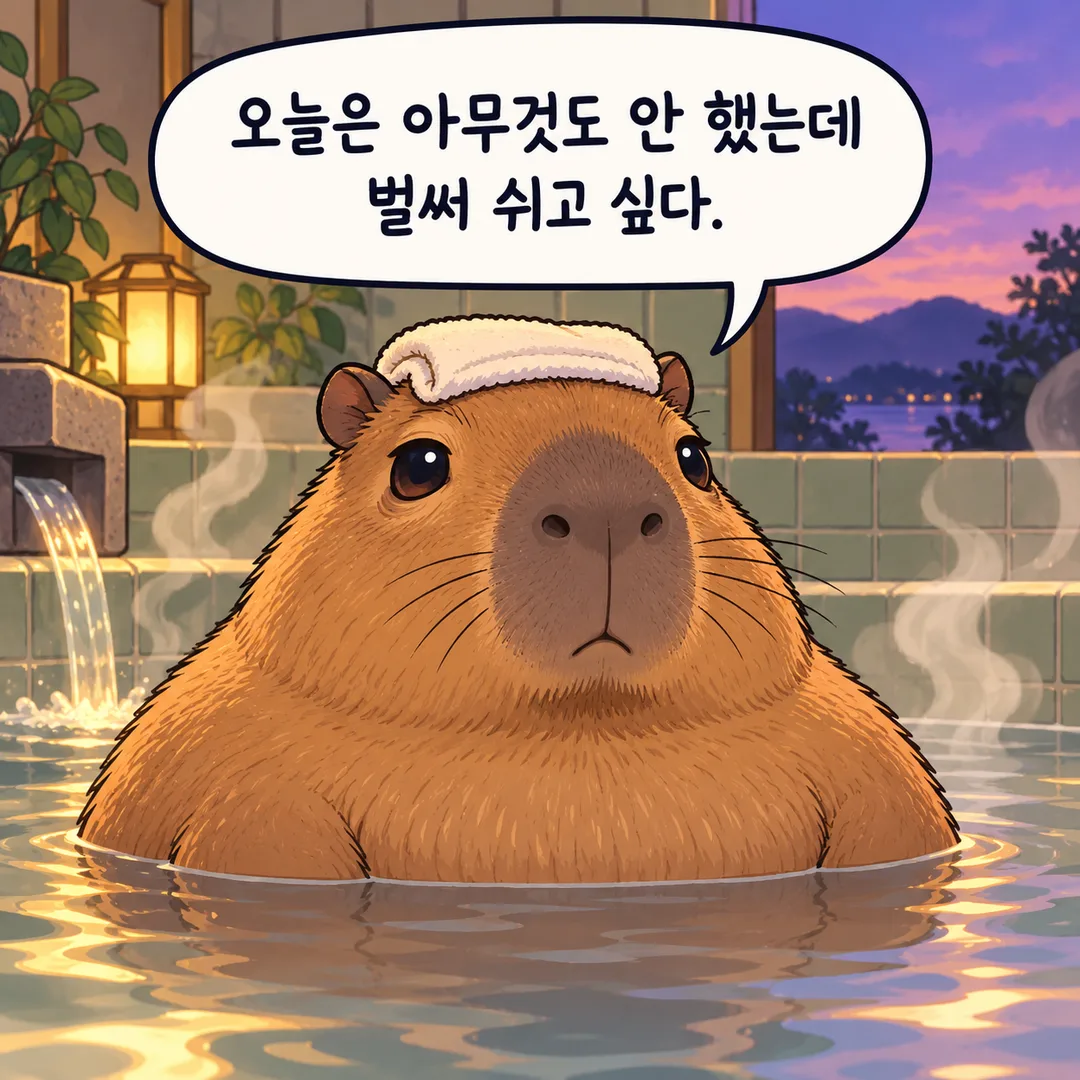
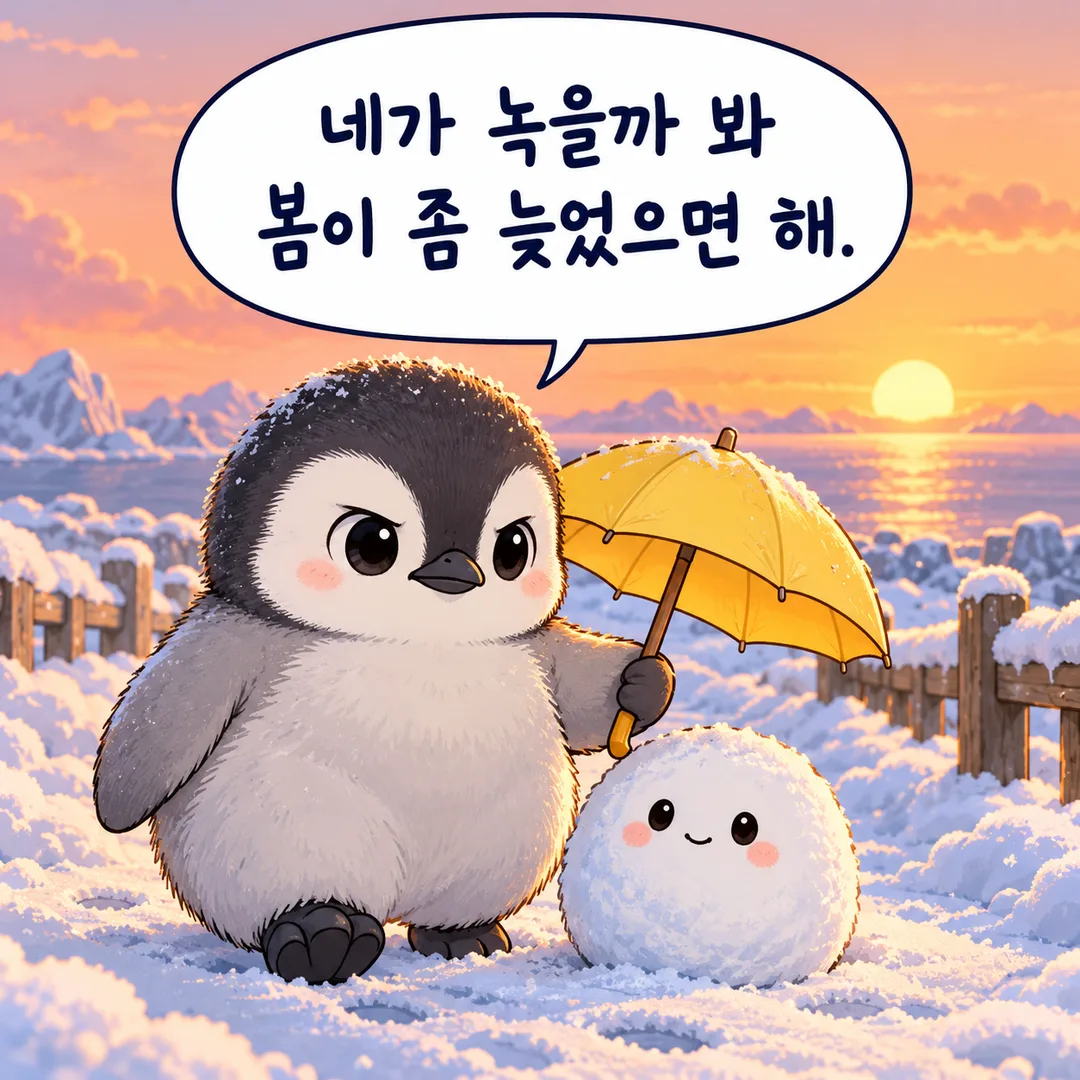
Denver the capybara rests in an evening bath and says, “I did nothing today. I need a break.” Nico the penguin protects a snowball friend under a yellow umbrella and wishes spring would arrive late. One is weary and funny; the other is tender. Both remain single-panel animal images with a serious expression, a large readable balloon and a background that reaches the edges. Changing the situation changes action and mood while preserving the illustration style.
Check before sharing
Enlarge the balloon and compare every letter, space and punctuation mark to your input. If a word is missing or altered, generate again with the same values and identify that exact mismatch. Check that the balloon tail points to the animal and that the prop supports the line. No reference photo is needed, and you do not need to crop panels or add lettering yourself. Copy the filled prompt once into an image service; check that service for its current fees and terms. The prompt requests an image directly, but text accuracy still needs your final visual check.