All · Comics & illustration · Characters
489Two-object fusion
Fuse two familiar objects into one whimsical fictional invention.
What you get
- One image of a fictional object fused from two objects
ChatGPT Free OK
Fill in the fields
- 1Fill in the fields
- 2Copy the prompt
- 3Paste it into a GPT chat
- 4Send it as is and you get an image like the thumbnail example
- 5Attach a real photo that fits the card and it is used in the result: a background photo for background cards, a person or food photo for those cards Optional
Full prompt 2,100 characters
Draw exactly one finished image of a whimsical fictional object fused from two objects now, without explanation or questions.
Output size 1080x1080 pixels, 1:1 square post. Keep all text fully readable.
Object 1: 【Object 1】
Object 2: 【Object 2】
If blank, use an umbrella for Object 1 and a desk lamp for Object 2. Remove brand names from both inputs and use only generic object structures.
Design one continuous body combining the first object's recognizable silhouette with the second object's functional parts. Both objects must be immediately recognizable. Do not simply place them side by side or stack one on another. Invent a fictional design rather than reproducing a real product.
Show the single fused object large in a three-quarter view, with its entire outline uncut. Make joints natural, materials convincing, surfaces detailed and contact shadows soft. Fill every edge with a harmonious plain backdrop or subtle space.
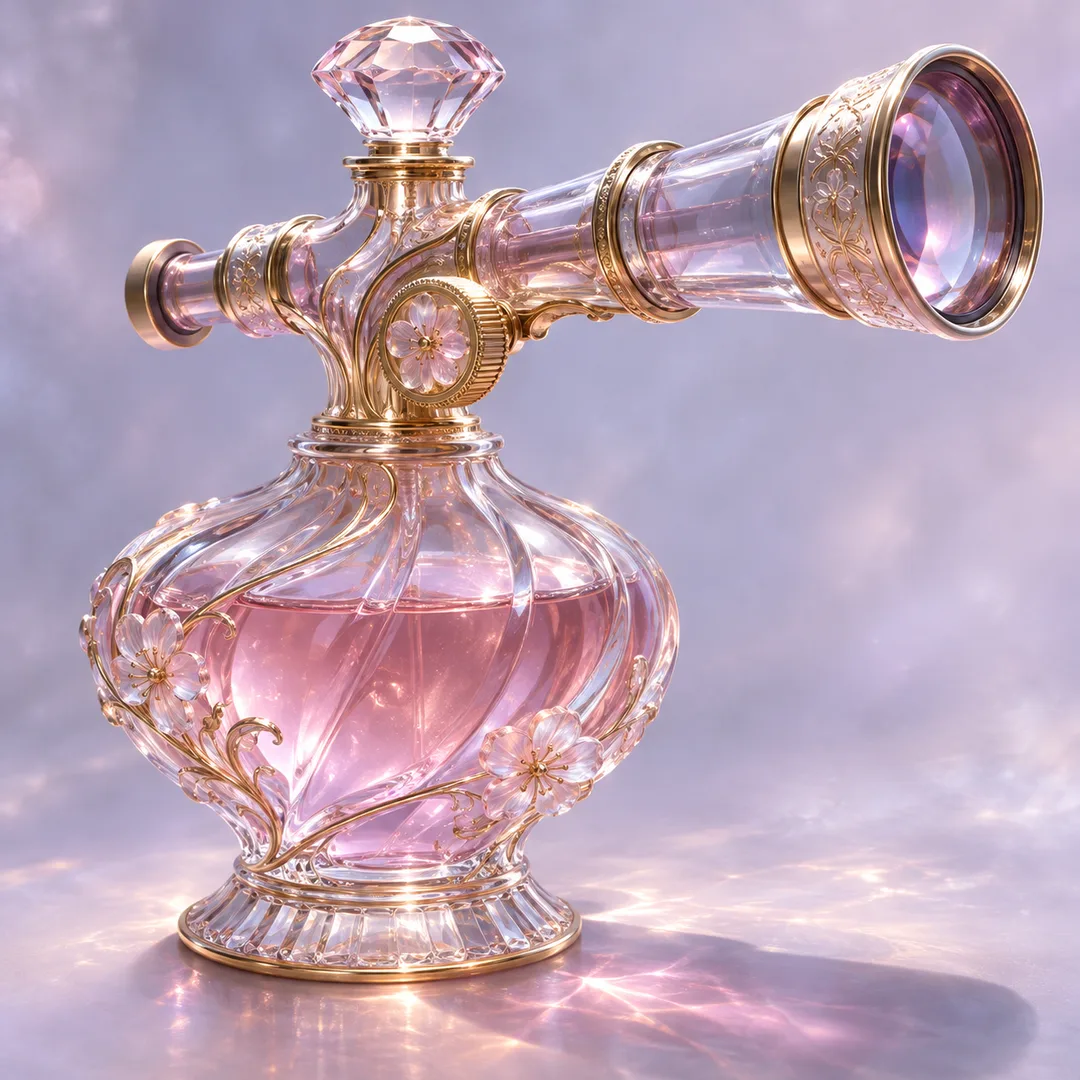
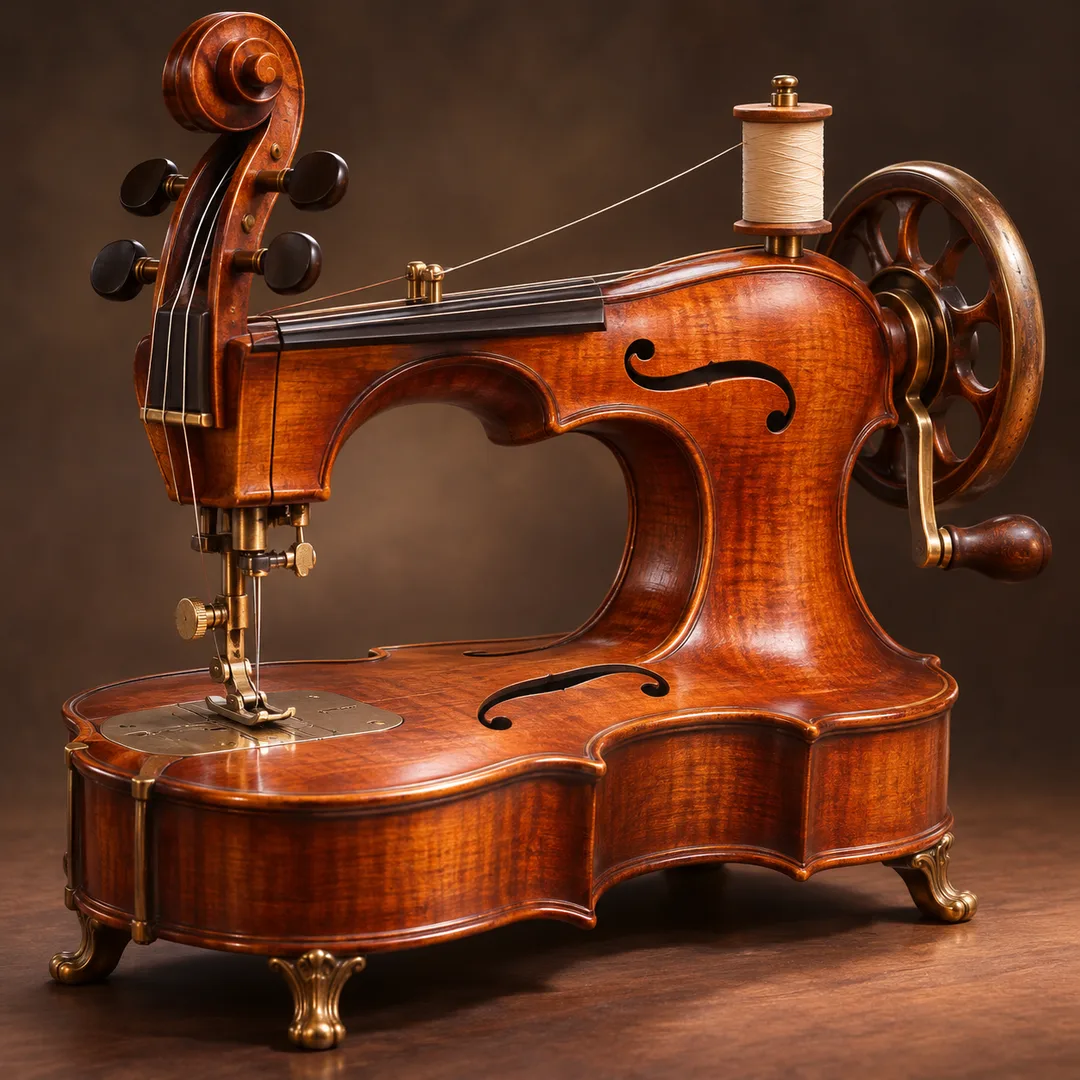
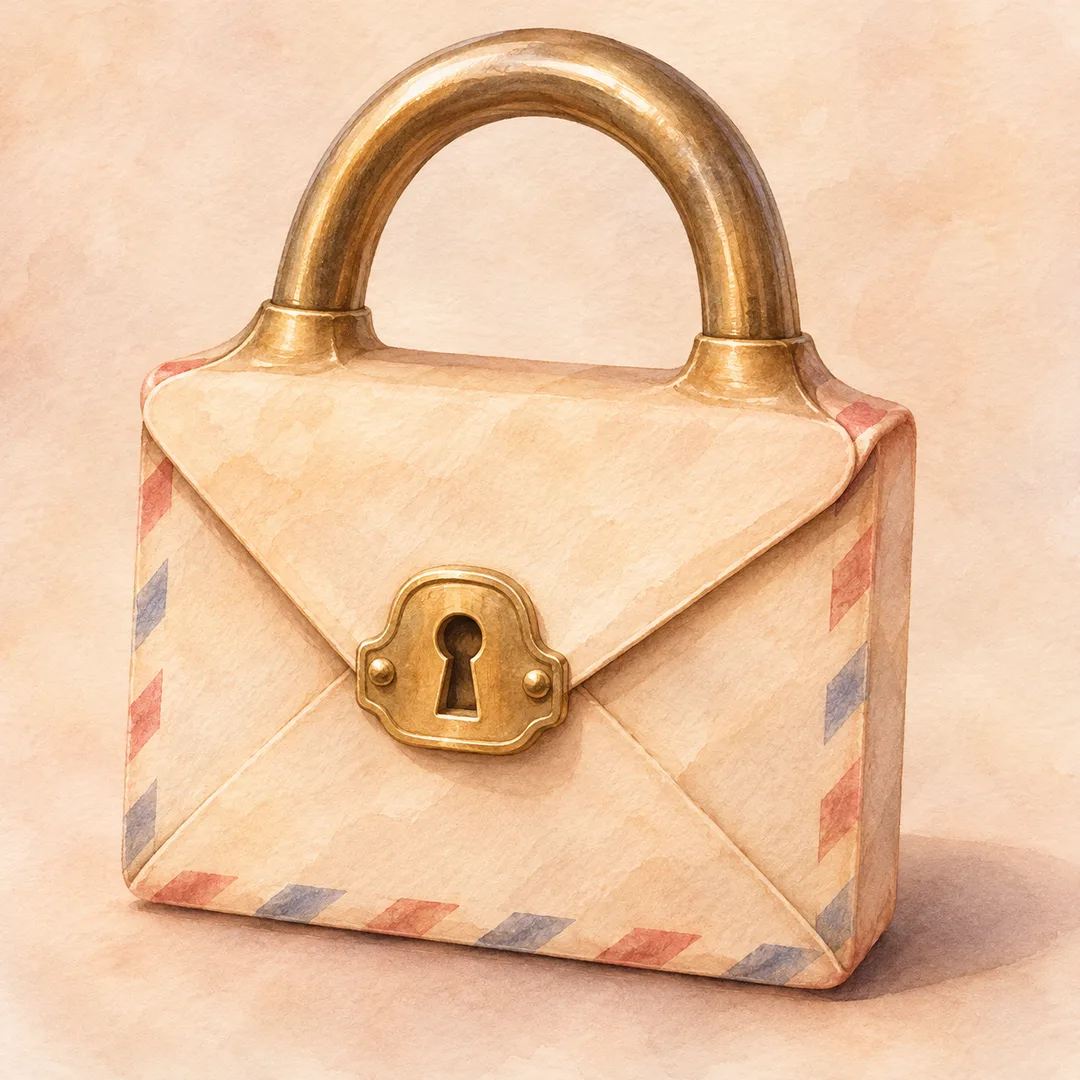
Automatically choose the medium and mood from the materials. Paper means warm watercolor with fine ink lines; fabric means a craft-object concept photograph under warm light with clear textile texture; glass or optical parts mean cool dreamlike translucent 3D; wood means a detailed woodworking concept photograph against a dark backdrop; otherwise use a vivid studio concept photograph. If multiple conditions apply, prioritize the earlier condition. Use one treatment per image. Do not imitate an artist or existing artwork.
Default aspect ratio is 1:1. If the shared size selector specifies another ratio, compose for it from the start. Return one image only, without collage, comparison panels, borders or paper mockups. Exclude people, faces, existing characters, distinctive real-brand shapes, logos, letters, numbers, dates, prices, signatures and watermarks.

[Final output format]
Output size 1080x1080 pixels, 1:1 square post. Keep all text fully readable.
This selected output format takes priority over any fixed canvas size or aspect ratio elsewhere in this template. Adapt the composition, text zones and margins to the selected canvas without stretching or cropping essential content. Device safe areas apply only when a device is selected. Never print these format instructions on the image.
How did it turn out?
You may also like
How to use it · FAQ
Combine two ordinary objects into one unexpected fictional invention for a social post, creative idea board or personal artwork. The first object contributes its recognizable outline and the second its functional parts. This is imagined concept art, not a working product plan.
Both Object 1 and Object 2 are required fields. Enter one generic object in each, preferably including its material. Avoid brand and model names. Empty values fall back to an umbrella and a desk lamp respectively. No photo is needed. Paste the completed prompt once into an image AI. The default is square 1:1; the shared size selector can change the composition.
The material automatically determines the treatment, in this priority order: paper gives warm watercolor and ink; fabric gives a warm craft concept photograph with visible weave; glass or optical parts give cool translucent dreamlike 3D; wood gives detailed woodworking photography against a dark backdrop; other materials give vivid studio concept photography. There is no separate style field.
The separate 2:3 listing cover combines an umbrella and a desk lamp. The three square examples combine a glass perfume bottle and telescope, a wooden violin and sewing machine, and a paper envelope and padlock. No names or lettering are printed.
Enlarge both recognizable structures and their joint before saving. If they appear as separate objects, ask to integrate the functional parts into one continuous body. Check that no accidental letters, numbers, dates, prices, logos or recognizable real-product designs appear. Ask for a new unbranded fictional design if needed. Check the image service for fees and terms.