

All · Comics & illustration · People
585Your photo inside a vintage oil painting
Keep your likeness in a cafe, garden or window scene painted in layered oils.
What you get
- One oil painting of a person within a setting
- Your selected cafe, garden or window scene
- Recognizable features, expressive brushwork and deep light
ChatGPT Free OK
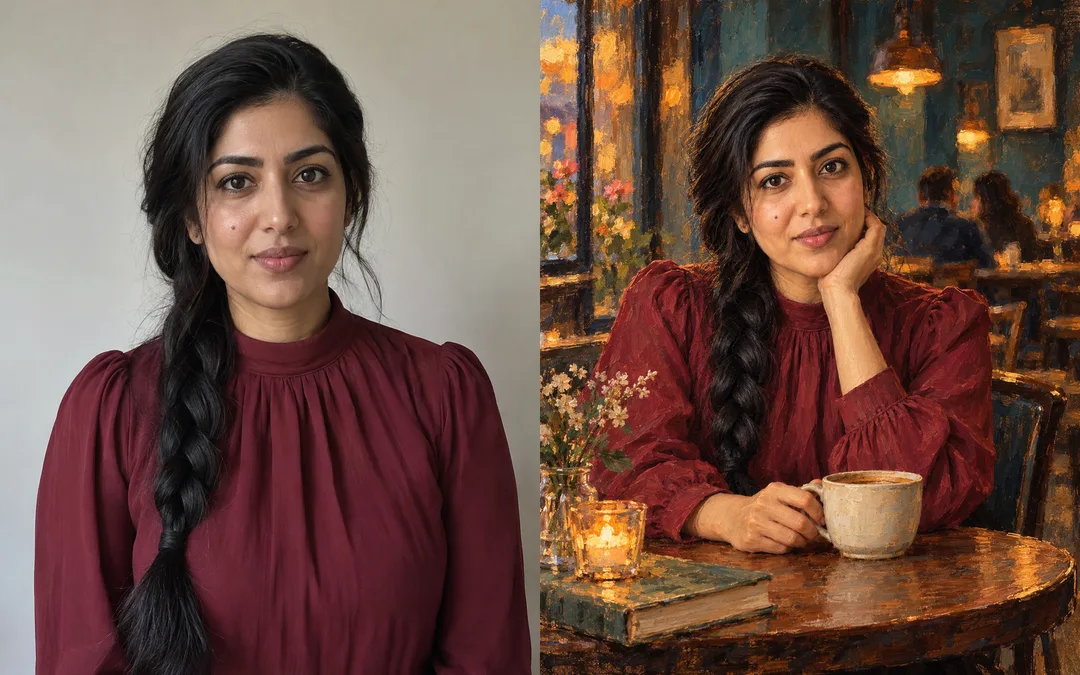
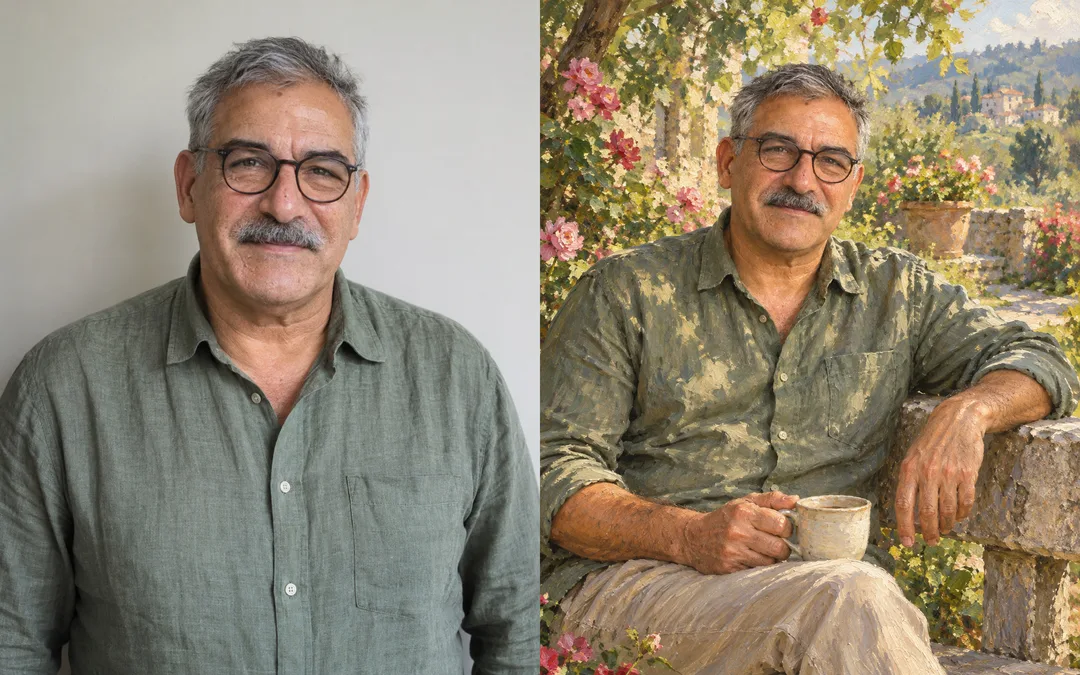
Fill in the fields
- 1Fill in the fields
- 2Copy the prompt
- 3Paste it into a GPT chat
- 4Send it as is and you get an image like the thumbnail example
- 5Attach a real photo that fits the card and it is used in the result: a background photo for background cards, a person or food photo for those cards Optional
Tested by us
- Test date
- 2026-10-29
- Tool
- ChatGPT Image Model (run in Codex) — same model as free ChatGPT, only limits differ
- Result
- Pass
- What worked
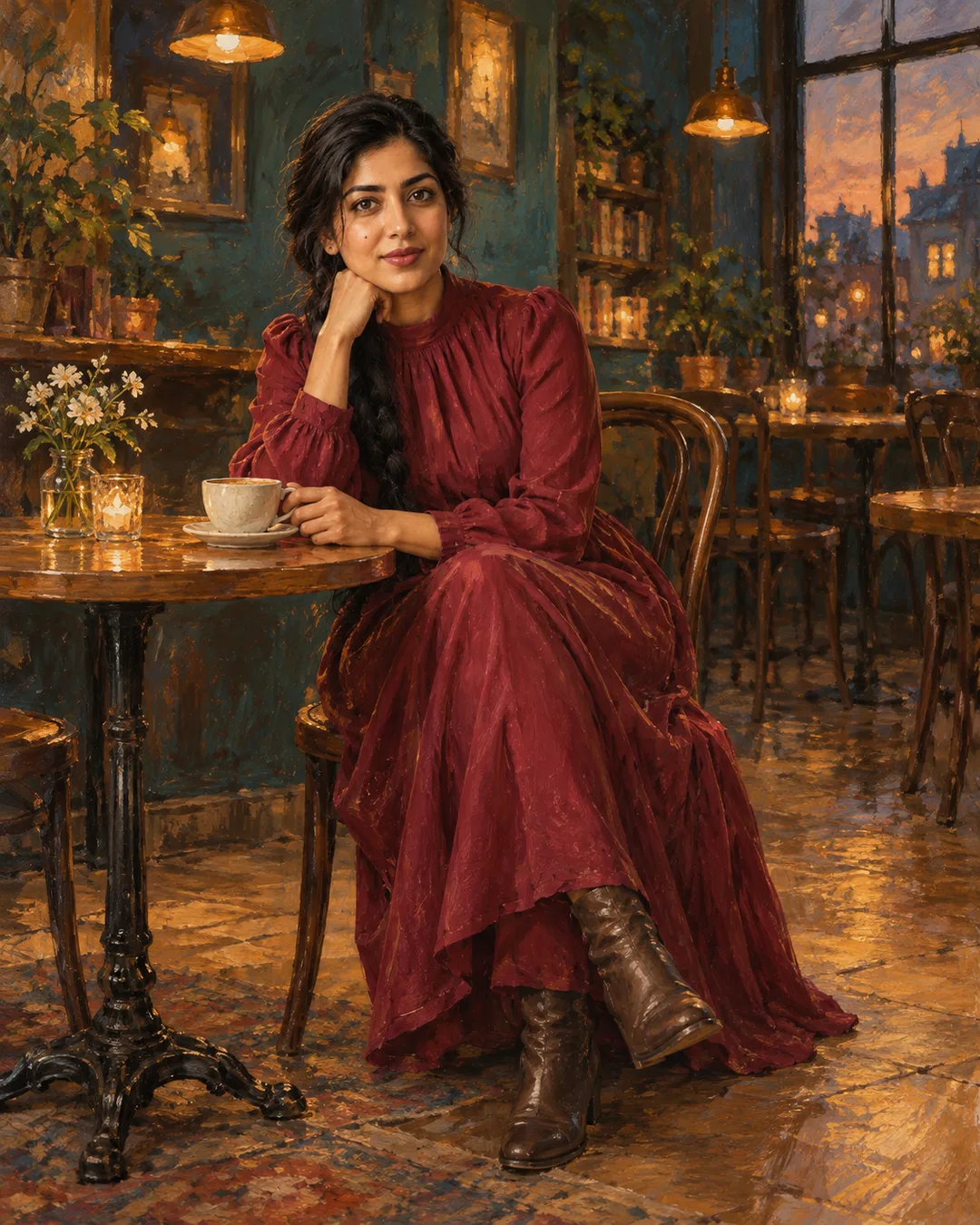
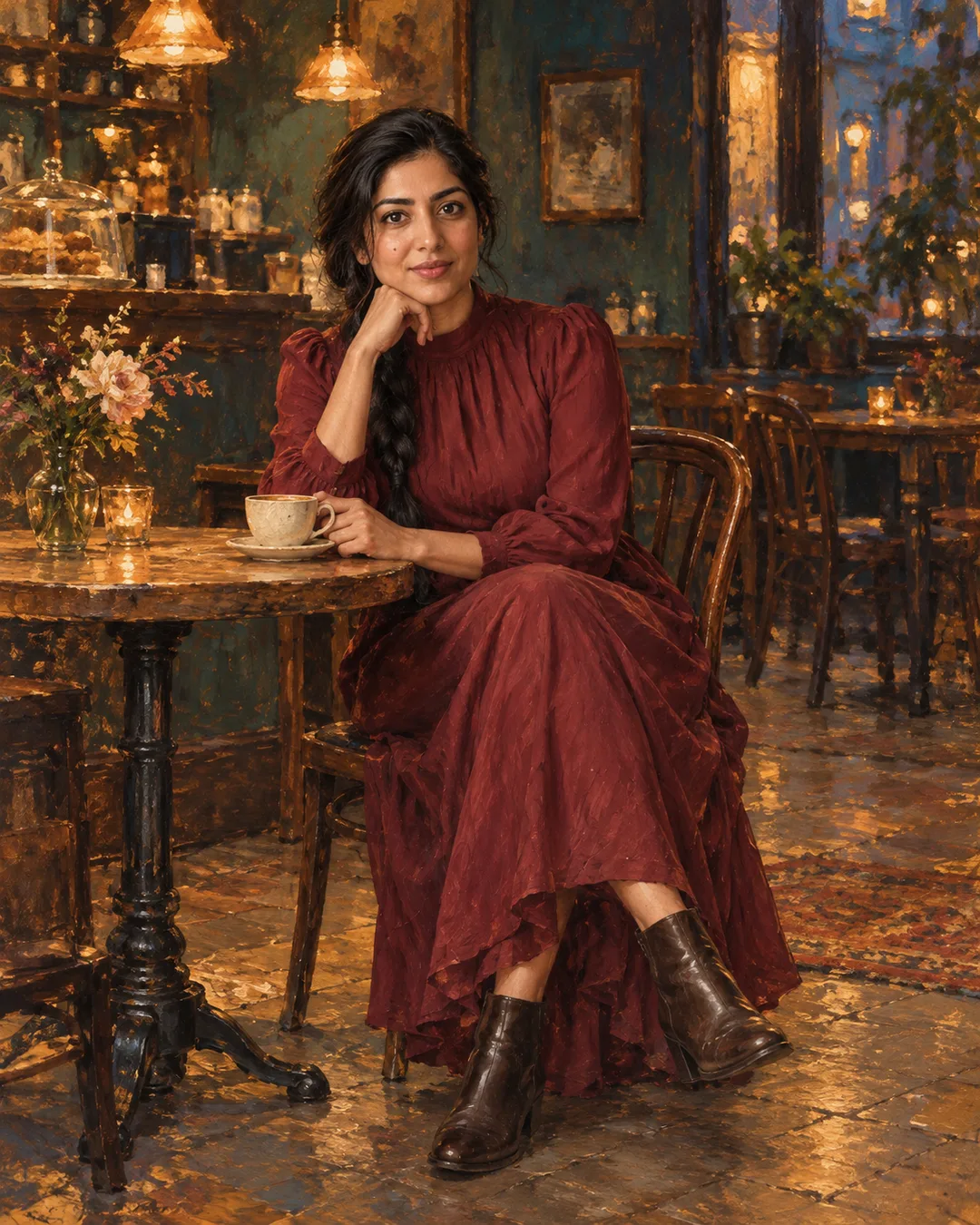
- All four results identify the original's eye shape, thick eyebrows, cheek mole, black braided hair, and burgundy top. The evening café—including amber pendant lighting, dark teal walls, round wooden table, and plain ceramic cup—is rendered as a single oil painting extending to the edges. No text, signatures, logos, or comparison panels are visible. After revision, both the seated character's feet and the floor are visible. All files are 1122×1402, close to nominal 4:5 but not an exact integer ratio.
- What did not work
- None
- How to improve
- To include the seated character's feet, use the revised sentence "show the complete seated person from head to feet." Indeed, both times the feet were shown. However, the effect of reducing the character to half the screen was not confirmed.
Full prompt 3,157 characters
Generate one finished image directly, without explanation or follow-up questions.
Output size 1080x1350 pixels, 4:5 portrait, Instagram standard.
Create one full-bleed vintage oil painting of a recognizable person within an atmospheric everyday setting. Use an original painterly vocabulary: layered opaque pigments, translucent shadow glazes, directional brushwork, selective impasto, subtle canvas tooth and lost-and-found edges. Keep the facial structure clear and environmental edges softer. Avoid a uniform texture filter, photographic skin pasted into paint, artificial cracks and a uniform sepia wash.
Photo note: "【Photo】". Use the attached photo as the identity reference. Preserve eye shape, face proportions, nose, mouth, skin tone, approximate age, hairline, hairstyle and distinctive marks. Preserve recognizable clothing color and silhouette while translating fabric into paint. Do not idealize the face or change ethnicity. If several people appear, select the clearest main person. PHOTO RULE: without an attached photo, invent one original fictional adult resembling no identifiable real person and complete the painting without asking. A photo note alone is not an attachment.
Scene: "【Scene】". Use only the selected setting:
- Cafe: An intimate cafe at dusk, amber pendant light, dark teal walls, a small round wooden table and a plain ceramic cup; warm light against cool shadows.
- Garden: A garden in fresh morning light, pale green foliage, irregular rose-colored flowers, a worn stone bench and dappled sunlight; an airy green and rose palette.
- Window seat: A quiet room beside a tall window on an overcast afternoon, silver daylight, a linen curtain and a plain book; pearl grey, muted blue and ochre.
An empty scene defaults to Cafe. A custom scene uses the same oil-painted medium and identity rules.
Compose one continuous scene with foreground objects, a middle-ground figure and a distant environment. Use a wide environmental portrait: show the complete seated person from head to feet, with the top of the head to the soles spanning 45-55% of the total canvas height. Leave visible floor below the feet and ample environment above the head. Do not crop the legs or feet and do not use a waist-up or close-up portrait. Keep the face clearly recognizable. Keep the face visible and avoid a viewpoint that obscures reference features. Hands rest naturally and have credible anatomy. Use the requested aspect ratio, default 4:5, and paint to all four edges. Output one painting only, never a comparison, grid or collage.
No text, letters, numbers, captions, signatures, watermarks, logos, existing characters, recognizable branded products, celebrity likenesses, named artist imitation or recreation of an existing artwork. All objects have original generic designs. Do not print the subject name or scene labels.

[Final output format]
Output size 1080x1350 pixels, 4:5 portrait, Instagram standard.
This selected output format takes priority over any fixed canvas size or aspect ratio elsewhere in this template. Adapt the composition, text zones and margins to the selected canvas without stretching or cropping essential content. Device safe areas apply only when a device is selected. Never print these format instructions on the image.
How did it turn out?
You may also like
How to use it · FAQ
Turn a personal photo into a vintage oil-painted everyday scene for a profile or personal art collection. The person and surroundings share layered pigments and coherent lighting rather than a texture placed over a photograph. Names and other text are not printed.
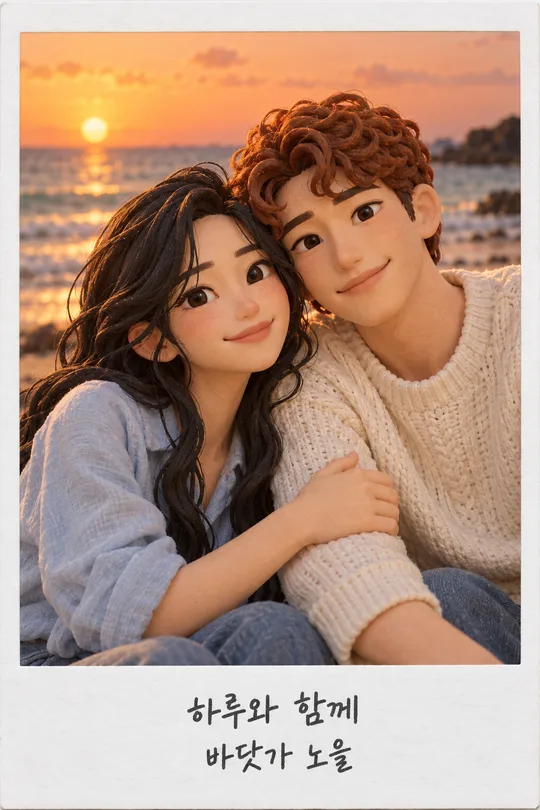
Photo is an attachment note. Haru is a fictional example name, never an image caption. A filename alone does not upload a photo: attach a clear face photo in your image tool and send the copied prompt with it in one message. Use your own adult photo or one you have permission to use. Without an attachment, the prompt creates an original fictional adult. In a group photo, it selects the clearest main person.
Choose Cafe for amber evening light and deep teal, Garden for fresh green and rose morning light, or Window seat for silvery afternoon light and muted blue. An empty scene defaults to Cafe. Custom settings use the same oil medium. Neither field is required. The default ratio is 4:5; change it with the shared size control.
Compare the eyes, nose, mouth, hairline and skin tone with the reference. Check fingers, cup shapes and the connection between the person and chair. If the likeness drifts, attach a closer, sharper face photo and resend the same prompt. Ask for fewer props within Scene if the environment feels crowded. Keep the face clear and the surrounding brushwork loose. Comparison examples show the source on the left and the painting on the right; the prompt produces one painting without a comparison layout. Check your external service's fees and terms with that service.