

項目を入力
- 1項目を入力します
- 2プロンプトをコピーします
- 3GPTのチャットに貼り付けます
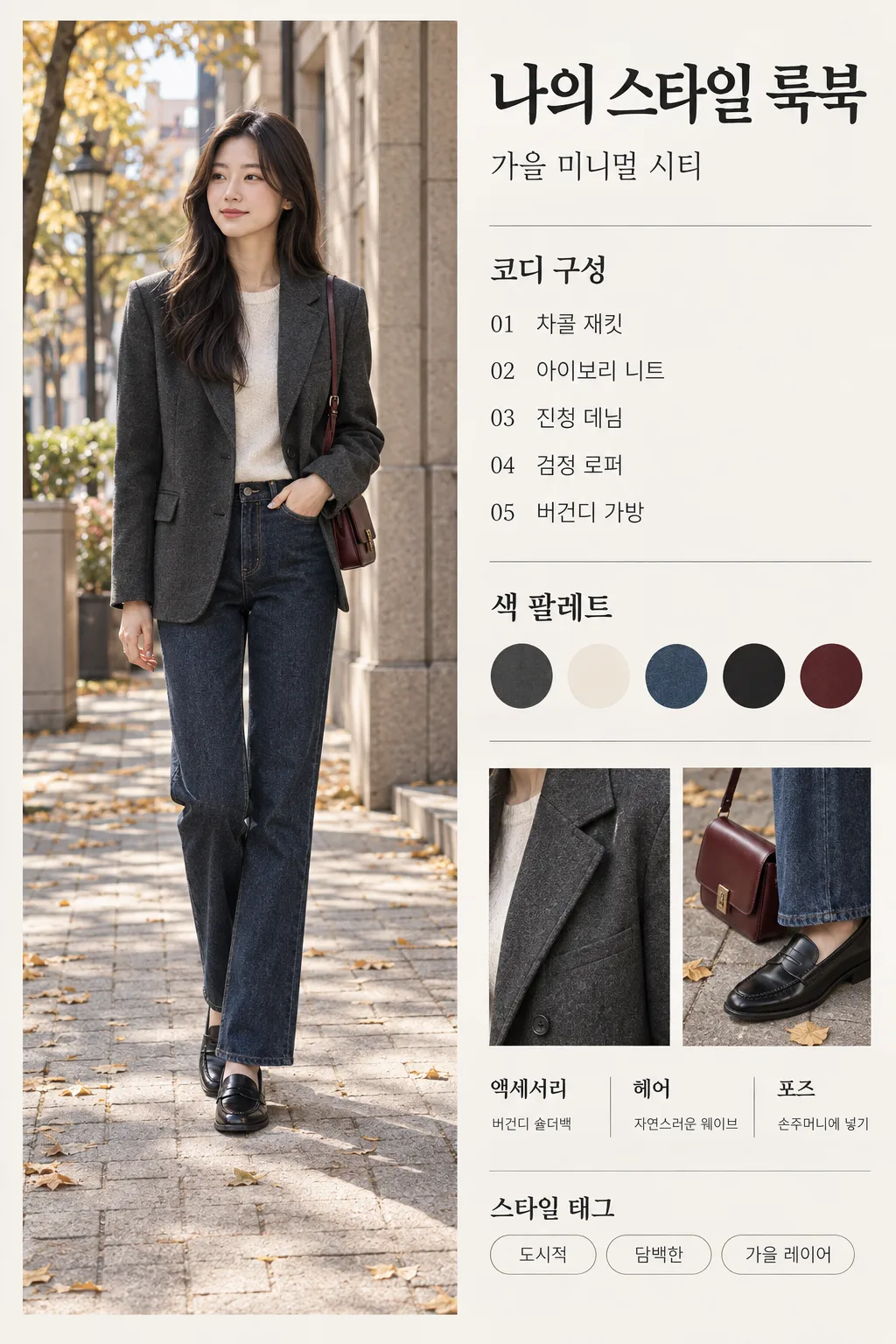
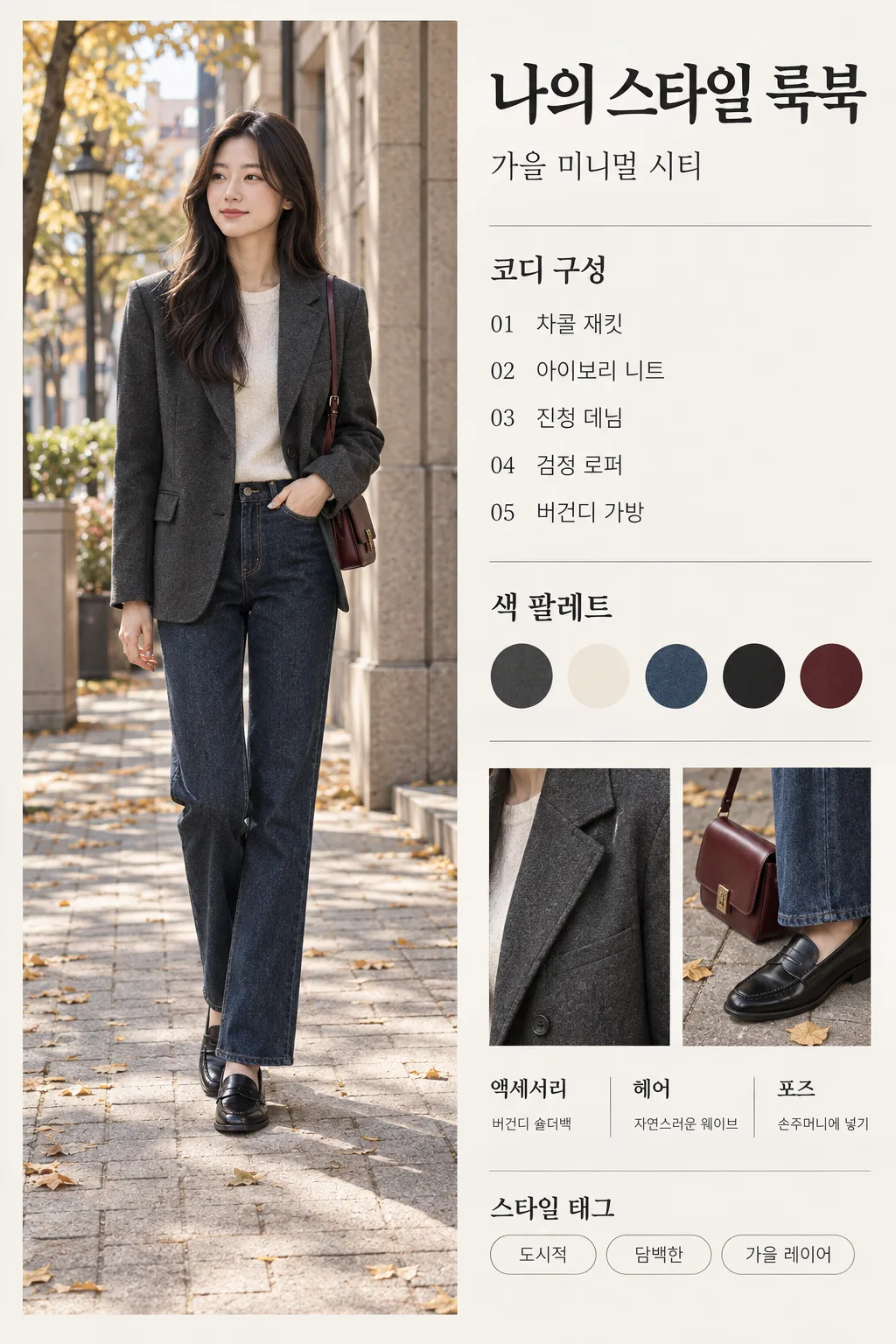
- 4そのまま送ると、サムネイルの例のような画像になります
- 5本人の写真をプロンプトと一緒に入れると、その写真が反映されます 任意
プロンプト全文を見る 7,514文字
Generate this image now. Draw it directly - do not describe it, explain it, or ask questions.
PHOTO RULE (this overrides any other line in this prompt, before or after it, that calls the photo required or mandatory or says to ask for it): if a photo is attached, use it exactly as the instructions below describe. If no photo is attached, never ask for one and never stop — invent a fitting fictional subject (person, pet, food, product or place, whatever this card is about) in the spirit of the card's example image, and finish the image.
Create exactly ONE finished Japanese 2:3 portrait fashion lookbook image. The user has attached their own photo in this same message. Use that attachment as the required identity reference. Do not make multiple images, sequential pages, a separate outfit recommendation, code, or a request for "next". Everything below belongs on one canvas.

[Purpose]
Make a personalized style-analysis lookbook that its owner can save and post on Instagram. Selected style: "【希望のスタイル】". Selected season: "【季節】". This is a creative styling proposal from a supplied identity photo, not a color-season diagnosis, body assessment, attractiveness score, shopping list, or one-outfit answer for today's weather. Build one coherent signature look with five named clothing components, a visual color palette, two close-up photographs, accessories, hair direction, pose, and style tags. If style is "ミニマルシティ", do not print those words: choose one coherent style based on the user's stated season and the photo's visible clothing or overall vibe only; do not infer personality, job, gender, ethnicity, income, exact body size, or a scientific color type.

[Attached photo]
The uploaded photograph is mandatory. Keep the same recognizable face, facial structure, natural skin texture, hairstyle identity, and distinguishing features. Do not turn the person into a celebrity, generic model, anime figure, or a different face. The styling can change garments, accessories, hair arrangement, and pose, but must preserve identity. If the photo only shows a face or upper body, design a plausible full-length editorial fashion photograph without claiming to know the person's exact body measurements; avoid slimming, enlarging, or judging their body. If no image is attached, do not invent a person's identity or claim a match. The final image should clearly center the photographed person as one continuous full-body figure. For a real photo texture, consult web examples of editorial full-length fashion photography and garment details if web access is available. Use those only to understand pose, drape, seams, fabric weave, lens perspective, and natural light; never copy a specific photo, brand, logo, or another person's face.

[Scene]
One polished magazine-like vertical lookbook page. A large photorealistic full-body hero photograph occupies roughly the left 58% from below the headline to about 72% of page height. Show head and shoes fully within frame, with realistic fabric folds, believable scale, and a natural environmental setting suited to the chosen style and season. Beneath it, two photo-real close-up crops made within the same generated page: one garment or fabric detail and one accessory or shoe detail. These are content panels in the SINGLE image, not separate outputs. A narrow right editorial column holds readable modular details. At the bottom, a shallow strip has pose and style tags. Avoid an oversized blank fashion image that squeezes the five outfit components into illegible captions.

[Text layout]
Top 0-12%: large Japanese display title derived from the selected style, followed by "私のスタイルルックブック" in readable text and a short season line "【季節】 ルック". If "ミニマルシティ" was selected, replace it with the chosen real style name; never print the instruction itself.
12-72%: hero full-body photo at left. At right, heading "コーデ構成" and exactly five numbered component lines: 01 トップス, 02 ボトムス, 03 アウター・重ね着, 04 靴, 05 バッグ. Give each a concrete garment name and one practical fit, fabric, or layering note appropriate to "【季節】". For a hot summer, 03 can be a light shirt layer rather than a heavy coat. Beneath or alongside, heading "配色" with four or five named swatches actually visible in the outfit; swatch names must match the garments. Use simple Japanese color words and a believable, coherent combination.
72-88%: two close-up real-photo panels at left. At right, three compact labeled notes: "アクセサリー", "髪型", "ポーズ". Accessories must appear in the hero photo, hair guidance must be a styling suggestion rather than a claim that a face or hair type needs correction, and the pose note must describe the pictured pose.
88-100%: a small "スタイルタグ" band containing three or four concise Japanese tags with good contrast. A single short editorial line may tie the look together. Render no brand, price, store, size, or purchase link.

[Style]
Let the style and season drive the entire art direction. For ミニマルシティ, favor architectural lines, charcoal, stone, and one restrained accent; for ヴィンテージカジュアル, tactile denim and softened warm neutrals; for クラシックプレッピー, tailored layers and scholarly contrast; for ストリートカジュアル, strong street geometry and relaxed texture; for ロマンチック, softer fabric and a season-appropriate palette. These are starting points, not rigid gender rules. If the photo suggests another cohesive styling direction and the user chose "ミニマルシティ", name it naturally. Use the supplied example only for density and magazine page structure; do not copy its pink palette, cafe setting, text, or model.

[Visual hierarchy]
The full-length person and lookbook title must register at list thumbnail size. Five numbered components should read at normal phone size, with a more compact palette and notes. Keep every module connected to the same single outfit and the same subject, rather than showing several incompatible outfits. Show exactly one hero full-body photograph and two supporting detail photographs. Align baselines, preserve margins, and leave sufficient contrast behind Japanese words.

[Lighting and texture]
Use realistic editorial fashion photography with natural skin detail, correct hands and feet, authentic garment construction, knit, cotton, denim or wool texture as seasonally appropriate, and consistent light across the hero and detail crops. A restrained matte magazine print surface may frame the photos. No illustration, doll skin, obvious AI collage seams, glossy neon, floating items, fake fabric, or cut-off shoes.

[Text rules]
Render all labels in exact Japanese, especially "私のスタイルルックブック", "コーデ構成", "配色", "アクセサリー", "髪型", "ポーズ", and "スタイルタグ". Keep small writing short enough to read. Do not print input labels, a body-type judgment, a personal-color season, placeholder braces, prompt instructions, or an extra page. The selected style and season must agree with the clothes, weather weight, setting, and palette.

[Avoid]
No copied model face, face morphing, celebrity likeness, branded products, invented measurement, shopping link, outfit for a specific event or today's forecast, beauty ranking, objectification, mockup device, cropping plan, or multiple output images.

[Final output format]
完成した2:3の縦型画像を1枚、1024×1536ピクセルで出力してください。重要な文字は上12%と下15%に置かないでください。
This selected output format takes priority over any fixed canvas size or aspect ratio elsewhere in this template. Adapt the composition, text zones and margins to the selected canvas without stretching or cropping essential content. Device safe areas apply only when a device is selected. Never print these format instructions on the image.
結果はどうでしたか?
同じ分類のほかのカード
使い方・よくある質問
自分の写真をもとに、SNSに投稿できる1枚のスタイリッシュなルックブック画像を作りたい時に使います。顔立ちや肌の色、体形が自然に維持されるよう、本人の顔がはっきりと写った全身写真を準備してください。希望のファッションの方向性や、季節に合わせたコーディネートを整えるための設定を正しく選んで入力します。
チャットの入力欄に自分の写真をアップロードし、コピーしたプロンプトと一緒に貼り付けてから一度に送信します。生成された画像では、大きな全身写真、2つのディテール部分、5つのコーディネート要素、およびカラーパレットが正しく配置されているかを確認してください。服の質感や季節感が選択内容と一致しているかもチェックポイントになります。
顔の似具合や服装のディテールに修正が必要な場合は、元の写真の顔立ちを保つよう具体的な調整を指示して再生成を依頼してください。アップロードする写真の明るさや鮮明さを事前に確認し、画像内の文字やレイアウトに不自然な崩れがないかをしっかりと確かめてから保存してください。
写真を使った仕上がり例
1枚目は左が元の写真、右が仕上がりで、2枚目はこれまでの作例です。比較には月額制の画像生成ツールで作った架空の写真を使っています。
短いボブヘア、笑った目・口元と頬のホクロ、デニムパンツ、白いスニーカー、両手をポケットに入れた姿勢がそのまま残っています。グレーのスウェットと黒の布製バッグがニット・ウールジャケット・茶色のバッグに変更され、秋の雑誌風ルックブックになりました。
コーディネートの5つのアイテムと、全身・下部の詳細2枚・タグがあります。右側にも写真の断片が追加されて全体の写真数が3枚を超えており、靴のパレットは実際の白ではなくグレーベージュで記載されています。
「右側の追加された写真の断片を取り除いて全身1枚と詳細2枚だけを残し、靴のパレットを白に合わせてください。」
最終確認日 · 公開