

067今月の旬の食材カレンダー
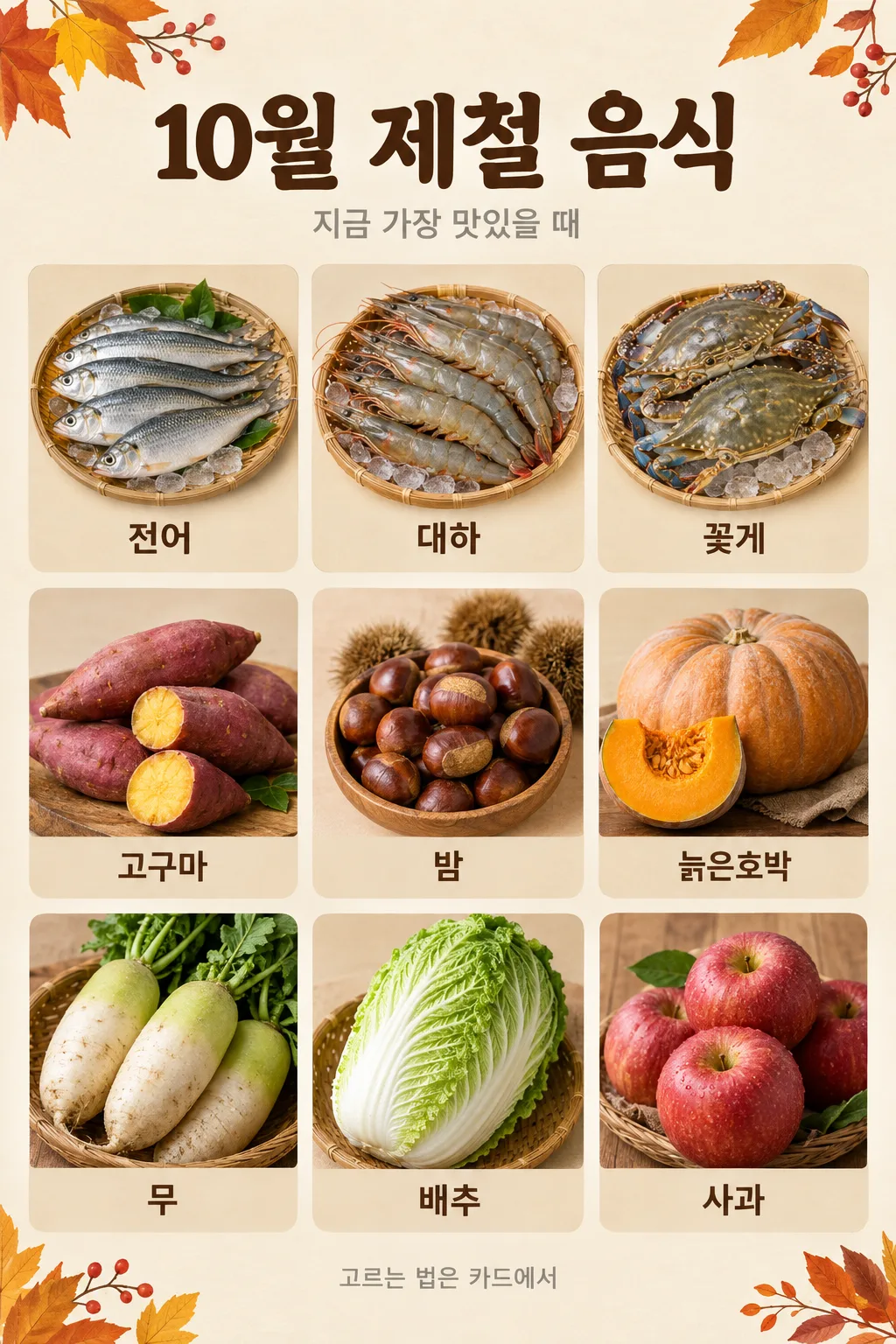
写真のような食材を畑・果樹園・海で分け、横帯と円形図で配置を切り替えるカレンダー。
受け取れるもの
- 縦長の旬の食材シート一枚
- 畑・果樹園・海の区分と選び方
- 横帯または月を囲む円形の配置
項目を入力
- 1項目を入力します
- 2コピーを押します
- 3GPTのチャットに貼り付けます
- 4そのまま送ると、サムネイルの例のような画像になります
- 5カードに合う実際の写真を一緒に入れると反映されます。背景カードなら背景の写真、人物・料理カードならその写真 任意
プロンプト全文を見る 4,195文字
Create a finished monthly seasonal-ingredient calendar, a flat portrait 2:3 editorial sheet. Its identifying device is a HARVEST ORIGIN ATLAS: raw ingredients occupy their own growing environments, so a shopper can distinguish field produce, orchard fruit and seafood without reading a detached legend. Photographic food cutouts on matte ivory paper, charcoal Gothic typography, fine sage rules, restrained autumn ochre. Realistic edible anatomy and daylight surface detail; no cartoon food or plastic rendering.

MONTH: 【月】
PUBLISHER: 【食卓の名前】
FIELD HARVEST: 【畑の食材】
ORCHARD HARVEST: 【果樹園の食材】
SEA HARVEST: 【海の食材】
ATLAS SHAPE: 【旬マップの形】

The three comma-separated harvest lists are the complete ingredient ledger. Do not supplement them from memory. Each entry appears once, as an identifiable raw-food photograph with its own local-language name and one short observable buying cue immediately beside it. Keep the entire food visible. Whole or naturally cut raw ingredients only, never prepared meals. A chestnut is a nut with a pointed brown shell, not an onion; a persimmon has a leafy calyx; a mackerel has dark wavy dorsal markings. Match every photo to its label. Do not derive health benefits, prices, harvest dates or provenance claims. These environments classify foods, not actual farms of origin. If an entry is plainly outside its supplied environment, keep its name but move it to the correct environment. Do not claim that every entry is in season merely because it was supplied; the user selects a locally appropriate list for the month.

The chosen ATLAS SHAPE controls the entire map:
産地別の横帯 — a compact title at the top followed by three broad horizontal harvest bands, stacked vertically. Label their left ends 畑, 果樹園, 海. Arrange each band's ingredient photographs across its width with names and buying cues beneath. A fine furrow pattern belongs only to the field band, a sparse branch line only to the orchard band, and a fine wave line only to the sea band. No circular map.
産地別の円形図 — place the month and 旬の食材 inside a central ivory disc. Surround it with one broad ring divided into three ample sectors, labeled 畑, 果樹園, 海. Field foods occupy one sector, orchard foods another, seafood the last. Place photographs, names and buying cues together inside each sector, using upright horizontal text. The furrow, branch and wave marks follow their own sectors. No stacked bands or detached item grid. Keep ring labels away from the central disc and make the ring large enough for legible captions.

In both shapes the publisher is a small signature above the map; the title is the supplied month followed by 旬の食材. The circular shape puts this title in its hub instead of repeating a top heading. Use the same ingredient list, food treatment, palette and wording in either shape. Generate one specific buying cue per ingredient about visible condition only, such as firm leaves or intact skin; do not prescribe tasting raw seafood or promise freshness from appearance alone. Put the quiet footer 旬の時期は地域や気候で変わります beneath the map. All essential elements stay within a generous trim inset. No daily date boxes, arbitrary day assignments, recipes, supermarket packaging, official seals, source claims, logos, brand names, URLs, watermarks, mockup scene or instructions printed on the sheet. Render the image itself, not a written proposal.
FINAL CHECK: ATLAS SHAPE is an internal layout selector, never visible lettering. Do not print 産地別の横帯 or 産地別の円形図. For oysters and scallops pictured open to show the edible flesh, the buying cue must describe moist flesh, not a closed shell or closed mouth; shell-closure cues require an actually closed-shell photograph.
Visible text must be Japanese. Interpret seasonality for the supplied locality and month; do not silently substitute a different regional harvest list.

[Final output format]
完成した2:3の縦型画像を1枚、1024×1536ピクセルで出力してください。重要な文字は上12%と下15%に置かないでください。
This selected output format takes priority over any fixed canvas size or aspect ratio elsewhere in this template. Adapt the composition, text zones and margins to the selected canvas without stretching or cropping essential content. Device safe areas apply only when a device is selected. Never print these format instructions on the image.
結果はどうでしたか?
同じ分類のほかのカード

使い方・よくある質問
開いたカキには身を見る説明が付きました
11月の例として白菜・大根・完熟カボチャ、リンゴ・梨・甘柿、サバ・カキ・ホタテを指定し、横帯を同じ条件で二度描きました。最終の二枚とも九つの食材がそれぞれの区分に入り、開いたカキとホタテには身の潤いを説明する文が付きました。初稿では開いたカキに「殻が閉じているもの」という説明が付いたため、写真の状態に説明を合わせる一文を加えました。
月を中心に置くと食材を巡る図になります
形のボタンだけ円形図に変えると、縦に重ねた三本の帯から、11月の見出しを囲む三つの区画に変わりました。畑は上、果樹園は左下、海は右下です。畝・枝・波の線も各区画に沿いました。最初の円形図には選択肢の名前まで印刷されましたが、内部設定と明示した再試験では消えました。写真のような質感とアイボリーの紙面は残りました。
産地の区分は出荷の証明ではありません
この図は指定した食材を育つ環境で整理します。月だけ変えても食材は自動で入れ替わらないので、三つの食材欄も地域の出回りに合わせて変更してください。試験は韓国の11月の例で絵と配置を確認したもので、地域別の出荷状況は調べていません。翻訳版の画像生成試験も行っていません。
選び方の文は生成ごとに少し変わり、二枚目の横帯ではカボチャに光沢の説明も付きました。見た目の参考として使い、表面だけで鮮度や食べられるかを判断しないでください。食材名と写真が一致するか、開いた貝に閉じた殻の説明が戻っていないかを見てください。
最終確認日 · 公開