
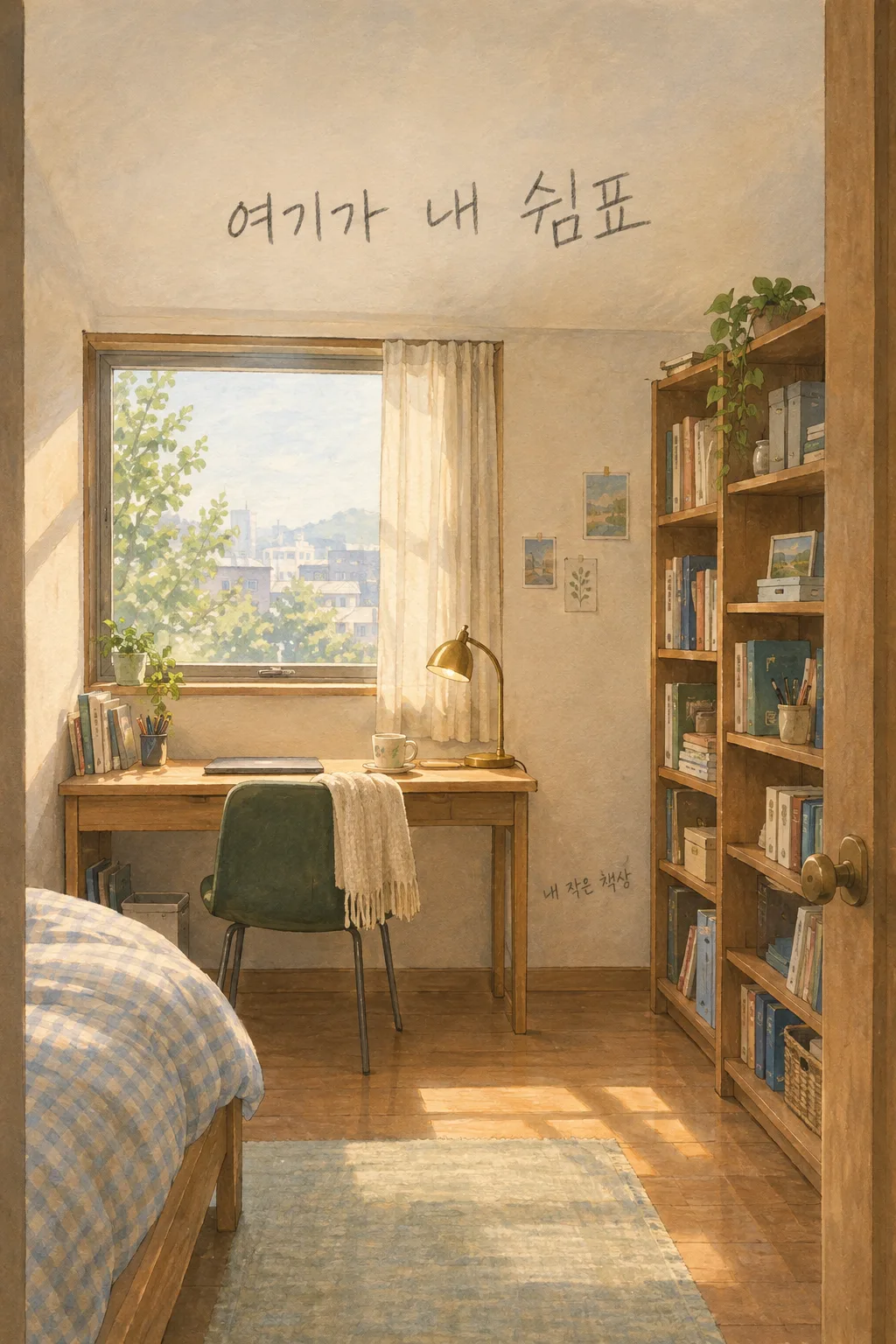
전체 · 만화/일러스트 · 풍경
177내 방 애니 풍경
내 방 사진을 손채색 애니 실내 풍경 한 장으로 바꿔 SNS에 일상 기록을 올려요.
칸 채우기
- 1칸을 채워요
- 2복사 버튼을 눌러요
- 3GPT 채팅창에 내 방 사진 1장을 올리고, 프롬프트를 같이 붙여넣어요
- 4내 방 사진 1장과 프롬프트가 둘 다 들어간 걸 보고 보내요
프롬프트 원문 보기 5,588자
Generate this image now. Draw it directly - do not describe it, explain it, or ask questions.
Output one landscape A3 poster, 420 x 297 mm, aspect ratio 1.414:1. Use the largest supported image resolution. Final print target is 4961x3508 pixels at 300dpi; keep all lettering at least 10 mm inside every paper edge. Preserve the wide composition and print-safe margins.

[Purpose]
Turn the user's actual room photograph into ONE finished hand-painted daily-life anime interior illustration for social sharing. Preserve the recognizable personal space as a quiet visual record, with one large pencil-written memory line. The output is a single inhabited-feeling room scene without a human figure, original photo inset, collage or comic panels. It is not an interior redesign or a shopping plan.

[Scene]
Use the room visible in the photograph as the whole scene. Maintain its major wall, window, desk, bed, shelving and door relationships, and keep the same one-point or gentle two-point perspective. Only show the photographed room, not a new apartment or additional room. The remembered event is "【기억할 일】"; use it to inform the short line, not to add celebration props, food, furniture or a fabricated date. Keep the feeling warm and lived-in through painterly edges and soft light on the existing objects. Do not introduce a person, pet, magical portal or a location label suggesting the room is in a specific city.

[Attached photo]
One actual room photograph is REQUIRED. Preserve the user's visible furniture, personal object clusters and distinctive window shape. Simplify tiny lettering on book spines or packaging into unobtrusive marks rather than inventing readable titles, addresses, logos or labels. Do not move the door, replace the bed with a different furnishing, add a television, change the floor plan or invent a view outside the window. Retain visible outside scenery softly without making up a famous landmark. Reinterpret colors and texture in the fixed illustration medium while keeping the user's place identifiable.

[Text layout]
All visible text is in Korean. The memory line is "【남길 한마디】". If it is "알아서 골라줘", invent one gentle original sentence of at most twelve Korean/Japanese characters or five English words, based on the remembered event. Never print the automatic control or invent a date. Place the line in large readable soft graphite handwriting between13-20% height on a quiet wall or sky patch already present in the composition. Maintain at least7% side margins and a contrast gap around the letters. The room scene extends beneath it, with the main window and furnishings between25-100% height. Do not frame the art as a physical postcard or add a decorative text plaque. The entire top12% and bottom15% are free of essential text.
If provided, write "【공간 별명】" once as a small pencil memory signature at64-68% height, on an unbusy surface. When this instruction is absent, do not invent a room name or add an empty label.

[Style]
One fixed nostalgic Japanese daily-life animation-background style: hand-painted gouache washes, gentle original contour drawing, muted ochre, moss, cream and gray-blue accents, modest brush grain and calm window light. No named artist, franchise or recognizable film scene is referenced. Objects have believable proportions and coherent perspective. This is full-scene environment art rather than a sketchbook containing an original photo above a drawing, a floor-plan diagram or a tiny3D dollhouse.

[Visual hierarchy]
The room's familiar window and furniture arrangement lead the eye into the image, and the large pencil line gives it a personal reason to share. Keep the text readable at list size without covering the room's distinctive details. Use painterly atmosphere rather than adding stock nostalgic props. Preserve one continuous composition from edge to edge, with no blank margin frame, split-screen comparison, decorative stamps, stickers, arrows or fabricated social metrics. A different canvas ratio fits this same room scene and text order; it never introduces another view or output type.

[Lighting and texture]
Use soft warm window illumination consistent with the photograph's visible window, with gentle grounded shadows and restrained highlights. Painted curtains, wood and cloth should retain their material character. Avoid orange fog covering every surface, glowing outlines, mirrored duplicate furniture, floating lamps, lattice-like repeated objects and implausibly stretched chair legs. Artwork fills the canvas directly; the room is depicted as art, not as a photo of an illustration hanging inside another room.

[Text rules]
All quoted visible copy belongs to the artwork, while input labels and instruction headings do not. Resolve any automatic wording control into a short original sentence before drawing; never print that control literally. Preserve provided spelling and numbers, and use the target language consistently. Keep readable letters separate from highlights, folds, shadows and decorative marks. Do not invent a price, discount, date, availability, award, endorsement, biography or purchasing condition. The fixed composition and medium stay the same for every user; personal inputs change its content only.

[Avoid and final delivery]
Deliver exactly ONE finished raster image in this response. Draw it directly with image generation. Do not execute code, give drawing instructions instead of an image, offer multiple versions, create separate pages, ask for a next message, or require cropping and assembly. No phone mockup, browser frame, watermark, publisher logo, branded packaging, existing character or celebrity likeness. Finish all artwork within the selected aspect ratio, preserving the composition and large readable lettering. Leave the upper 12% and lower 15% free of essential lettering and maintain generous side margins.
이 카드도 많이 사용해요
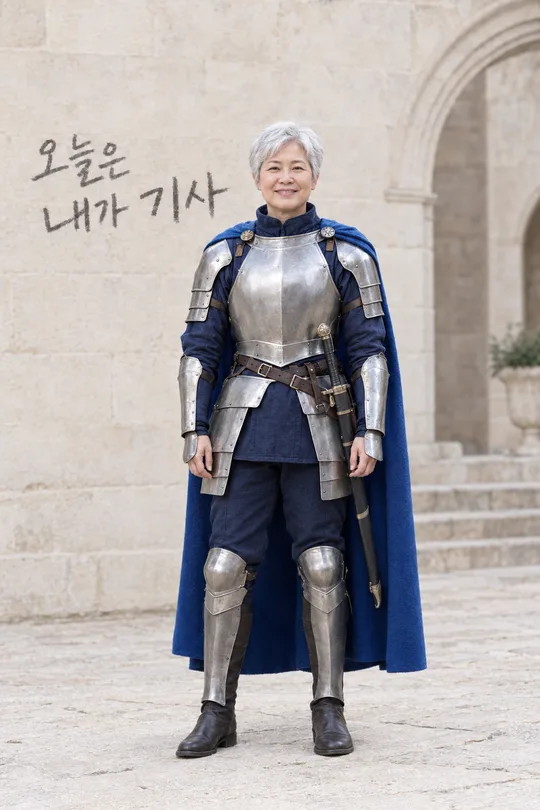
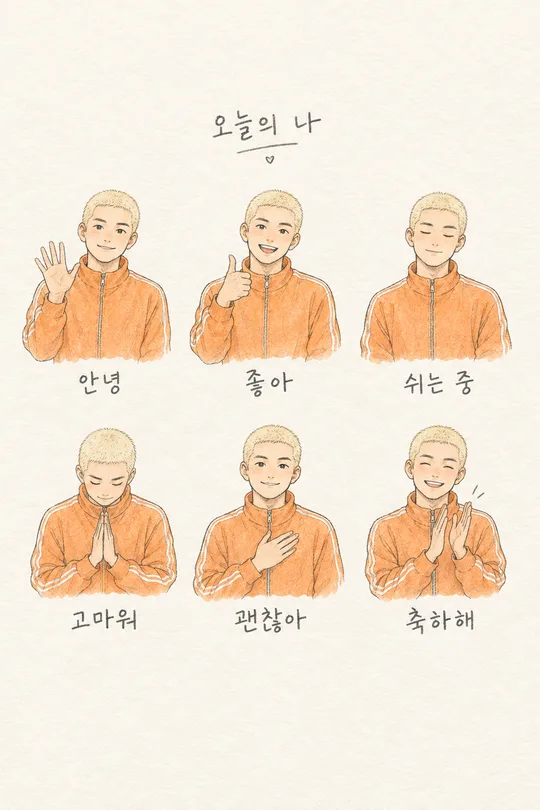
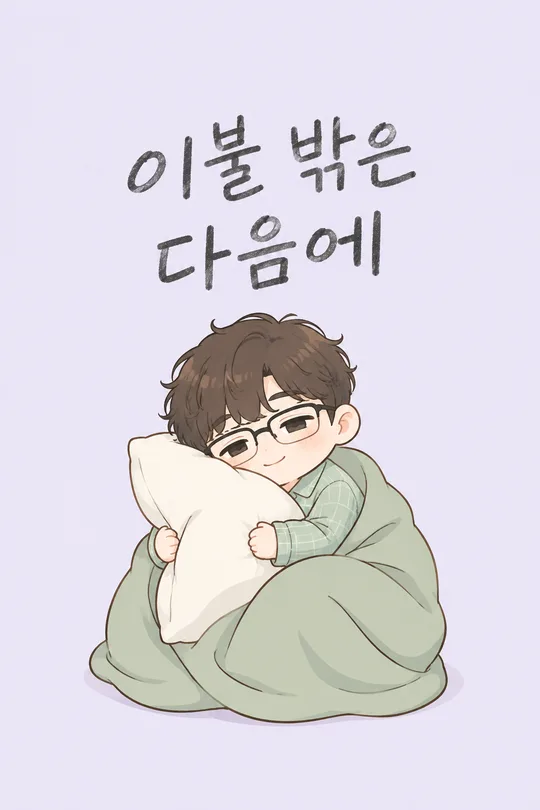
쓰는 법 · 자주 묻는 것
이런 때 쓰세요
내 방이나 작업실의 모습을 사진과 다른 감성으로 남기고 싶을 때 쓰는 카드예요. 실제 공간 사진 한 장을 일본의 일상 애니 배경처럼 손으로 채색한 풍경으로 바꿉니다. 가구와 창의 관계는 남겨 두고, 기억할 일을 담은 연필 문구 한 줄을 넣어요. 이사 첫날, 책상 정리를 마친 날, 오래 머문 방을 떠나기 전처럼 내 공간 자체가 기록이 될 때 SNS 피드나 스토리에 올리기 좋아요. 원본 사진과 그림을 위아래로 붙이는 그림일기와 달리, 방 풍경 전체가 완성된 일러스트 한 장입니다.
칸 채우는 법
기억할 일에는 이 공간에서 남기고 싶은 실제 기억을 짧게 적어 주세요. 이사 첫날, 책상 정리한 날, 오랜만에 쉬는 저녁 같은 말이면 충분해요. 이 값은 문구를 생각하는 재료이고, 그림에 없는 파티 소품이나 가구를 추가하는 지시가 아닙니다. 남길 한마디는 직접 적거나 ‘알아서 골라줘’를 눌러도 돼요. 자동으로 고르면 기억할 일과 어울리는 짧은 한 줄을 만듭니다. 공간 별명은 선택 칸이므로 내 작은 책상, 우리 집처럼 직접 부르는 이름을 넣거나 비워 두세요. 실제 주소나 도시를 알아맞혀 쓰는 카드는 아니에요.
사진은 내 공간 한 장을 골라 주세요
창과 가구 배치가 함께 보이는 사진이 가장 잘 맞습니다. 책상만 아주 가까이 찍은 사진이면 원래 방 전체의 구조를 알 수 없으므로, 보이는 부분만 그리게 됩니다. 여러 방을 합친 이미지보다 한 공간이 일관된 시점으로 보이는 사진을 준비해 주세요. 무료 GPT에 사진을 첨부하고 아직 보내지 마세요. 같은 메시지에 이 카드의 프롬프트를 붙여넣고 사진과 글이 둘 다 있는 것을 확인한 뒤 한 번 보내세요. 먼저 사진만 보냈다면 프롬프트 끝에 ‘위 사진으로 그려줘’를 덧붙일 수 있어요. 코드 실행이나 조각별 생성은 필요하지 않습니다.
그림이 나오면 꼭 볼 것
내 방으로 알아볼 수 있는지가 먼저예요. 창문 위치와 모양, 책상과 침대의 관계, 자주 보는 물건 덩어리가 유지돼야 합니다. 같은 의자가 두 개로 복제되거나 바닥과 가구 다리가 이어지지 않으면 고쳐 달라고 요청하세요. 문 밖에 새 방을 만들거나 없는 텔레비전을 붙이는 결과도 이 카드의 목적과 다릅니다. 옅은 구아슈 채색과 부드러운 선으로 바뀌어도 실제 공간의 연결은 남아야 해요. 책 표지의 작은 문자는 이름을 지어내기보다 잔잔한 색과 획으로 단순화하도록 했어요.
연필 한 줄은 어디에 들어가나요
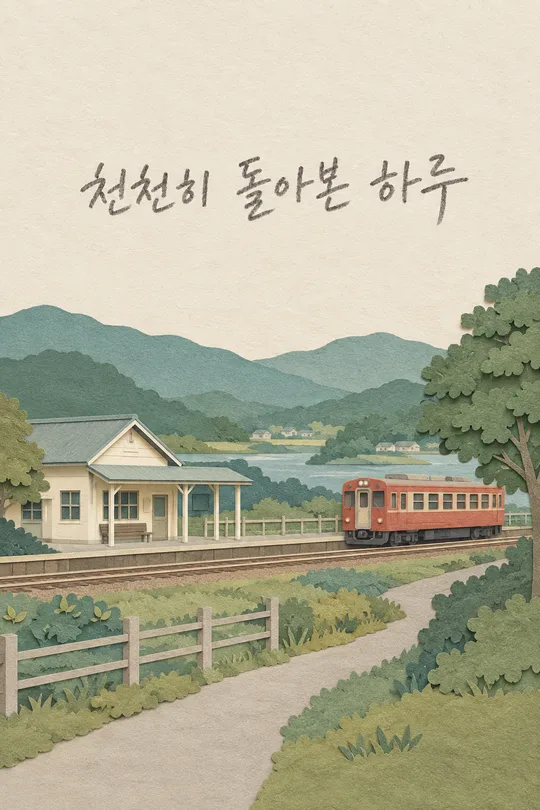
그림의 조용한 벽이나 창 주변 여백에 크게 들어갑니다. 가구 위에 별도의 네모 제목판을 붙이거나 엽서를 촬영한 목업으로 만들지 않아요. 글자가 중요한 창이나 물건을 가리지 않는지 확인하세요. 문구가 너무 길면 짧게 줄이는 편이 그림과 글을 함께 살립니다. 공간 별명을 비우면 그 서명 한 줄만 빠지고 본문과 풍경은 남아요. 표지의 방은 시연을 위한 가상 공간이며, 실제 사용 결과는 첨부한 사진의 공간을 그립니다.
틀린 곳 고치는 법
바뀌면 안 되는 구조를 한두 가지 짚어 주세요. 예를 들어 창은 왼쪽에 하나, 책상은 창 아래 그대로라는 식이면 좋아요. 사진에 없는 물건을 추가했다면 그 물건을 빼고 원래 배치를 유지하게 요청하세요. 문구 오타는 정확한 한 줄을 적어 수정할 수 있습니다. 첫 결과가 나온 뒤 필요한 부분만 고치는 과정은 선택이고, 처음부터 여러 장을 받아 골라 자르는 방식은 아닙니다.
자주 묻는 것
- 인테리어를 새로 설계해 주나요? 아니요. 사진에 있는 내 공간을 고정된 그림체로 기록해요. 가구 구매나 평면도 변경은 하지 않습니다.
- 사람도 추가할 수 있나요? 이 카드는 인물 없는 실내 풍경 한 장이에요. 사람과 방을 함께 바꾸는 결과는 별도 카드가 맞아요.
- 무료 GPT에서 직접 시험했나요? 표지는 이미지 API로 만들고 글자와 공간 구조를 직접 확인했어요. 무료 GPT 화면의 생성 시험은 하지 않았으며, 계정의 이미지 기능과 남은 사용량에 따라 이용 가능 여부가 달라져요.