
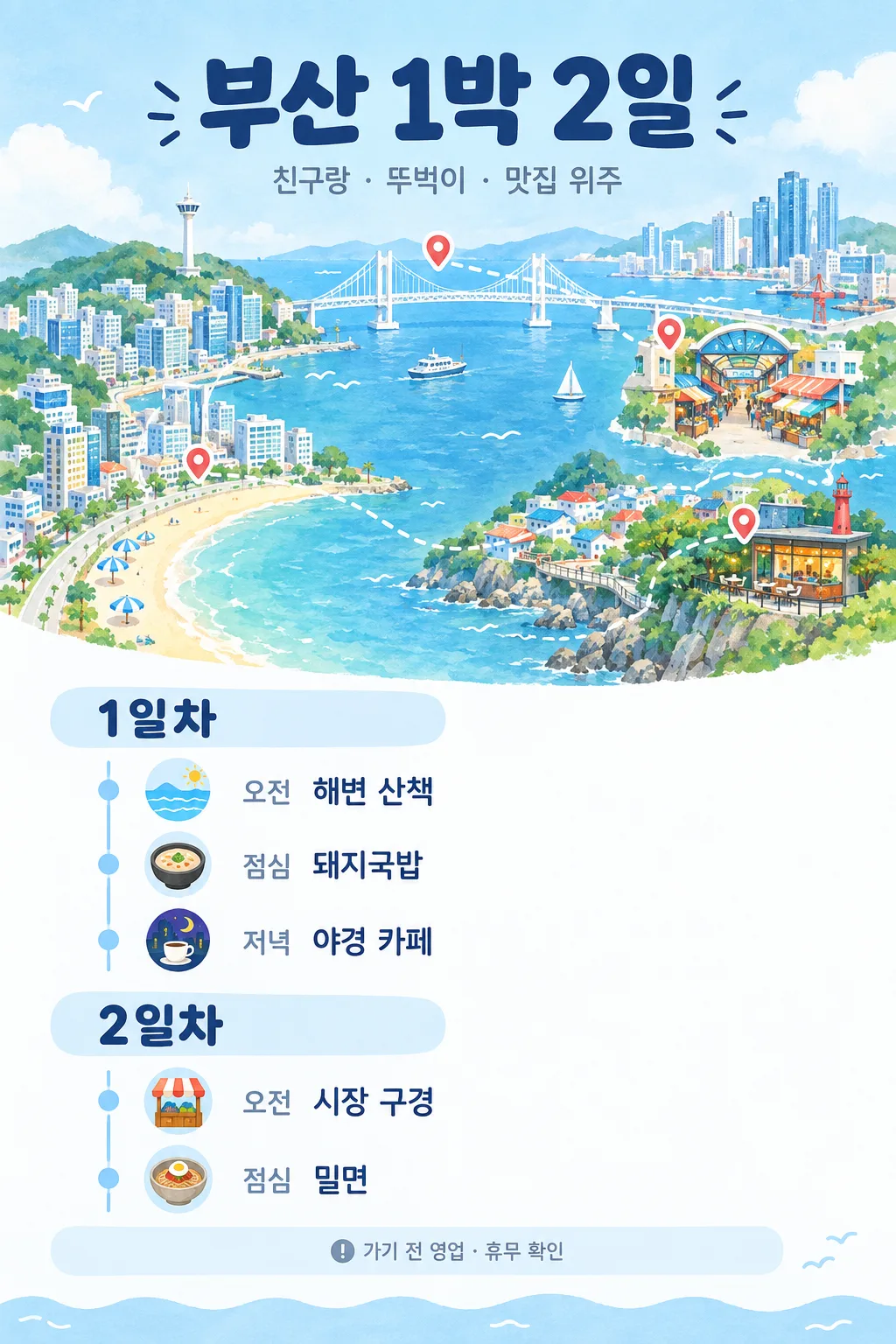
전체 · SNS/카드뉴스 · 정보·꿀팁
067여행 일정표
여행지와 기간을 넣으면 웹에서 확인한 실제 장소로 오전·점심·오후·저녁 동선과 이동 시간을 한 장에 정리하는 여행 일정표
칸 채우기
- 1칸을 채워요
- 2복사 버튼을 눌러요
- 3GPT 채팅창에 붙여넣어요
- 4제품·인물 사진을 쓰려면 사진과 프롬프트를 둘 다 넣은 뒤에 보내요 선택
프롬프트 원문 보기 10,981자
Generate this image now. Draw it directly - do not describe it, explain it, or ask questions.
Create exactly ONE complete 2:3 portrait Korean travel-itinerary image. Keep the whole plan readable on a phone and inside generous story-safe margins. Do not ask for a size choice.

[Purpose]
Create a ready-to-share itinerary headed "【여행지】 여행 일정표" for a trip of "【며칠】". It must be useful before departure: the traveler can send the single image to companions on KakaoTalk or post it as "이번 여행 일정" in a story. The essential inputs are only the destination and trip length. Show a real, geographically sensible route for every day, divided into "오전", "점심", "오후", and "저녁", with one concise travel-time line for that day and one final operating-hours reminder. Research actual places on the live web BEFORE composing or drawing. Do not silently replace researched places with plausible-sounding inventions.

[Optional preferences]
Travel companion: "【누구랑】"
Preferred experience: "【취향】"
Travel mode: "【이동】"

The three preference lines above are optional and may disappear entirely. If companion is absent, use a comfortable general adult pace. If experience is absent or says "알아서 골라줘", choose a balanced mix appropriate to the destination; never print "알아서 골라줘" in the image. If mode is absent, assume walking plus public transit and keep daily areas compact. "뚜벅이" means walkable clusters and public transit where necessary, not a car route. "자동차" permits driving, but account for realistic parking or transfer time without inventing a specific parking facility. Companion affects pacing and suitability: a solo visitor can use simple independent stops, friends or a couple can share a relaxed meal or activity, family can avoid exhausting transfers, and "아이랑" requires genuinely suitable places and time for breaks. Do not assert stroller access, child facilities, admission fees, or accessibility features unless checked.

[Live research and itinerary construction — complete before drawing]
Use live web search to identify real named attractions, streets, parks, viewpoints, cafes, markets, and meal venues in the requested destination. Check each selected place's identity and area with an official venue or tourism source, local government page, or current map listing. Use a second source when a name is ambiguous or a business status looks uncertain. Choose real named places for all four daily slots; a meal slot must name an actual food venue or a clearly named food market, not "근처 맛집". Do not claim a shop is operating on the user's travel date, because no calendar travel date was supplied. Exclude places found to be permanently closed and temporary events whose dates cannot be matched to this trip. If a requested destination is ambiguous, use reliable context to resolve it; if it still could mean different places, ask one brief destination clarification instead of making a plan for the wrong area. If live search is unavailable, or enough real places cannot be verified, say briefly that place verification is unavailable and ask for a web-enabled run. Do not draw a convincing but fictional itinerary.

Interpret "당일" as exactly one day, "1박 2일" as exactly two, "2박 3일" as exactly three, and "3박 4일" as exactly four. Label them "1일차", "2일차", "3일차", and "4일차" as needed. No departure date, arrival time, lodging location, or calendar date is supplied. Therefore do not invent an actual date, weekday, hotel, station, arrival time, or reservation. The four slots are flexible parts of each day, not promises about fixed opening hours. For a multi-day trip, make a distinct area or neighborhood cluster for each day when sensible, with short transfers inside the day and an understandable progression between days. The last evening may be a simple meal or low-effort stop before departure, but do not assume a particular departure time. Avoid repeating a venue on different days. Honor the selected experience through the choices, while keeping real food and a manageable route in the plan.

Check the geographic order of each day's four stops on a current map or routing service before drawing. Estimate the three between-stop travel times using the requested mode and map route results; use rounded approximate minutes, not false minute-level precision. Include ONE line per day in the form "이동: 오전→점심 약 15분 · 점심→오후 약 20분 · 오후→저녁 약 10분", with researched values replacing these illustrative numbers. If any leg cannot be reasonably verified, use "지도에서 확인" for that leg instead of making up minutes. Do not interpret a straight-line distance as a road or walking travel time. For driving, traffic and parking can change the estimate; do not imply a guaranteed arrival time. If a genuinely suitable lunch or evening venue cannot be verified in a proposed cluster, choose a different cluster rather than inserting a category placeholder.

[Scene]
Draw one polished itinerary sheet, not a set of separate cards. Combine a small original map-feeling illustration near the top with a large information table below. The illustration may use a river, coast, hills, streets, tiny landmark silhouettes, day-number pins, and a dotted route only when they suit the verified destination. It is an expressive schematic, not a precise street map or navigation screen. Do not draw false geographic adjacency, a fabricated recognizable landmark, copied map tiles, map-company branding, or shop signs. The table contains the actual route and carries the practical information. Keep the illustration compact enough that all four possible days remain legible. No person, photograph, ticket, logo, or accommodation image is required.

[Attached photo]
No user photo is required. If a photo is attached, use it only as loose atmosphere reference if it genuinely depicts the requested destination. Venue names, routes, and time estimates must still come from live research. Do not copy a map screenshot, branded storefront, photographed face, or protected sign into the artwork.

[Text layout]
Render these exact Korean strings where fixed. Treat percentages as flexible vertical zones on the 2:3 canvas; prioritize every table row over decoration. Quotation marks are instructions, not printed characters.
- Top 5–12%: Large title "【여행지】 여행 일정표". Keep the destination spelling exactly as supplied after resolving any ambiguity before drawing.
- Top 13–17%: Small trip-length badge "【며칠】". If a companion or experience genuinely shaped the route, a very short secondary label may describe the selected pace, but it must not crowd the title and must never print an empty preference.
- About 18–30%: One compact illustrated schematic of the actual destination, with at most one marker for each day. Keep it decorative but geographically plausible. If four days need more table space, shorten this illustration first.
- About 31–90%: A high-contrast itinerary table with one clearly separated section per day. Each section begins with "1일차" (then the next real day number). Use four labeled entries in exactly this order: "오전", "점심", "오후", "저녁". Place the EXACT verified Korean place name beside each label. A short area cue or short activity phrase can follow when there is room; omit it before shrinking the place name. Below the four entries put exactly one "이동:" line for that day, summarizing all three between-stop legs with approximate minutes or "지도에서 확인" where needed. Day sections must appear chronologically, without a missing or duplicated slot. For a four-day itinerary, give the table most of the canvas and use compact, aligned day sections; never split the result across several images.
- Bottom 92–96%: Exactly one readable reminder line: "가기 전 영업 · 휴무 확인".
Do not print example travel times from these instructions as if they were checked facts. Do not print calendar dates because the input provides duration only. Do not add an extra list of recommendations outside the table.

[Style]
Use a warm, contemporary Korean travel-planner infographic that a person would willingly share. Off-white or light sand paper, deep navy or dark charcoal text, and a few destination-aware accent colors provide contrast. Use restrained map-like dotted paths, small numbered pins, and thin table rules. Make the destination atmosphere specific through verified geography, not generic airplane and suitcase clip art. Every day section can have a subtle background tint or left edge marker, but text must remain dark on a quiet solid surface. Use clean Korean sans-serif type and consistent alignment. A single sheet should feel prepared for real companions, not like a travel-agency advertisement.

[Visual hierarchy]
First read the destination and duration. Second read the day headers and the four actual place names per day. Third read the daily travel-time line and the operating reminder. Distinguish "오전", "점심", "오후", and "저녁" clearly, and use sufficient line spacing for a small phone screenshot. Keep each place name intact where possible. If a name is long, shorten secondary activity text, line-break within the name, or reduce the schematic map; do not replace the name with "카페" or "공원". Scale the number of day sections to the chosen duration, leaving no huge blank rows on a one-day trip and no microtext on a four-day trip. The map must never cover the table.

[Lighting and texture]
Flat, crisp print-like finish with subtle paper grain, restrained shadows, and high-contrast Korean lettering. Route dots and pins should be small and tidy. Avoid glossy gradients, neon glow, heavy collage shadows, textured overlays behind words, or faint gray text. Keep the full layout inside safe margins so a story interface and a chat thumbnail do not crop essential words.

[Text rules]
Use Korean for all visible itinerary text. Preserve "【여행지】" and "【며칠】" exactly. Use the selected number of day labels and four daily time-of-day labels. Spell the verified place names consistently, and do not draw an unverified street address, opening hour, price, travel date, weekday, hotel, reservation, or promise that a venue is open. A day route must follow the geographic order represented in its table; the map is only an honest schematic. Travel minutes must be labeled "약" and follow the selected travel mode when the source supports them. When routing data is unavailable, visibly use "지도에서 확인" instead of a guessed number. Print the reminder exactly as "가기 전 영업 · 휴무 확인". Never print prompt syntax, curly braces, English section labels, the word "알아서 골라줘", source citations, or an invented source logo in the image.

[Avoid]
Fictional or permanently closed venues, repeated filler stops, vague meal categories, impossible backtracking, invented transfer minutes, day-count errors, tiny four-day text, exact-map claims for a decorative drawing, unsupported opening claims, calendar dates inferred from trip duration, false weather, unverified child or accessibility claims, copyrighted map styling, watermarks, QR codes, brand marks, extra image panels, and text hidden under illustrations.
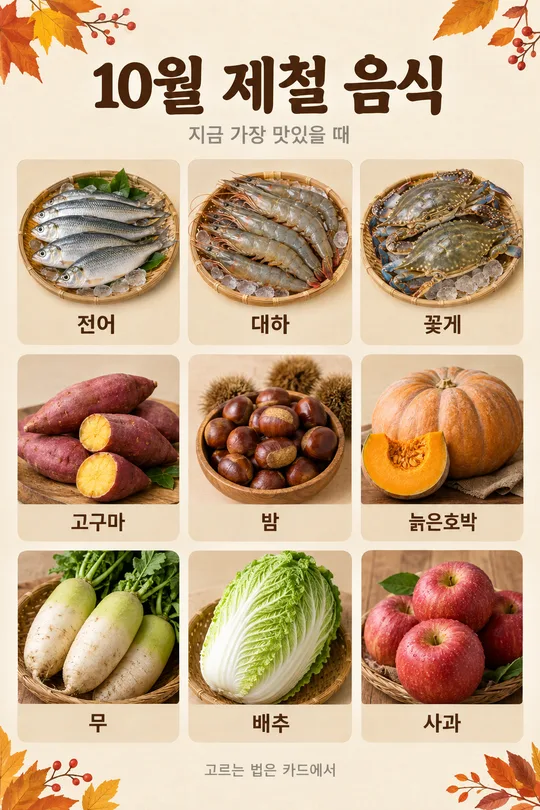
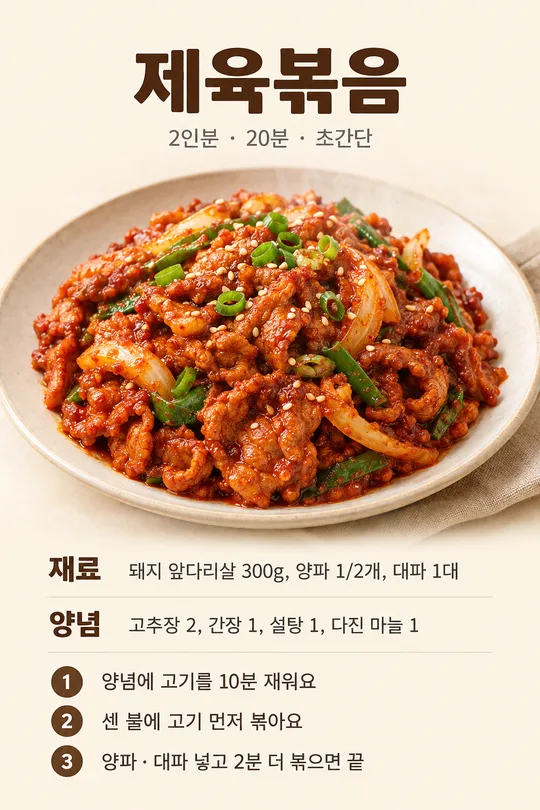
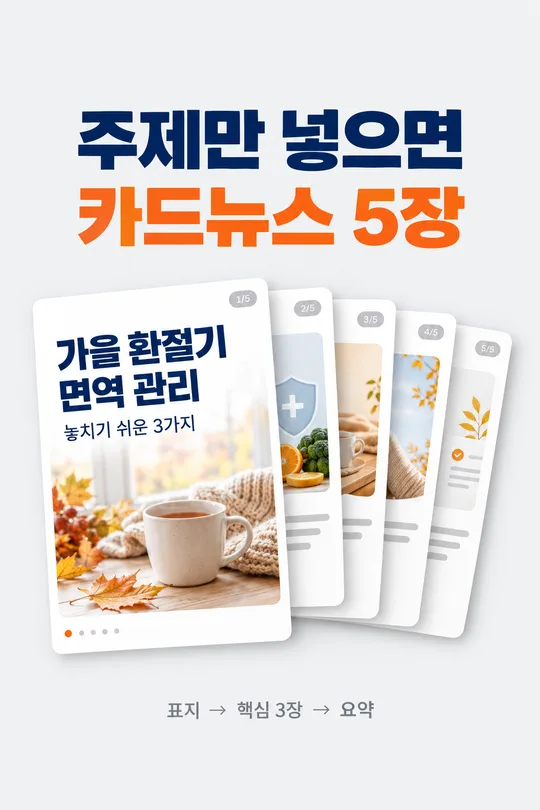
이 카드도 많이 사용해요
쓰는 법 · 자주 묻는 것
이런 때 쓰세요
여행지를 정했는데 하루 동안 어디부터 갈지 막막할 때 쓰는 여행 일정표 프롬프트입니다. 여행지와 며칠 동안 갈지만 적어도 GPT가 실제 장소를 웹에서 찾아 오전·점심·오후·저녁 순서로 묶게 했습니다. 완성된 그림 한 장을 동행에게 카톡으로 보내면 "몇 일차에 어디 갈까?"를 바로 상의할 수 있습니다. 스토리에 「이번 여행 일정」으로 올리거나 출발 전 휴대폰에 저장해 두기에도 좋습니다. 표가 중심이고 작은 지도 느낌 일러스트는 여행지 분위기를 더합니다.
칸 채우는 법
- 여행지는 부산처럼 도시를 적어 주세요. 동네까지 정했다면 "부산 해운대"처럼 적으면 동선을 더 좁혀 잡기 쉽습니다. 이름이 겹치는 지역이라면 시·도를 함께 적어 주세요.
- 며칠은 당일, 1박 2일, 2박 3일, 3박 4일 가운데 고르세요. 일정표에는 실제 달력 날짜 대신 1일차부터 차례로 표시합니다. 출발 날짜를 받지 않으므로 특정 요일의 영업을 보장하지 않습니다.
- 누구랑은 선택입니다. 아이랑 간다면 쉬어 갈 만한 동선을 우선하게 됩니다. 비우면 특별한 동행 조건 없이 무리 없는 일반 일정으로 만듭니다.
- 취향도 선택입니다. 맛집, 카페, 자연, 사진 명소 중 끌리는 것을 고르거나 「알아서 골라줘」를 누르세요. 어느 쪽이든 점심과 저녁 장소는 실제로 확인한 곳을 쓰게 했습니다.
- 이동은 뚜벅이 또는 자동차를 고를 수 있습니다. 비우면 걷기와 대중교통을 기준으로 가까운 장소를 묶습니다.
실제 장소와 이동 시간
프롬프트는 GPT가 그림을 그리기 전에 웹에서 장소 이름과 위치를 확인하고, 지도나 경로 서비스로 들를 순서를 살피게 합니다. 오전에서 점심, 점심에서 오후, 오후에서 저녁으로 가는 데 걸리는 시간을 하루당 한 줄로 요약합니다. 확인할 수 있는 구간은 "약 몇 분"으로, 확인할 수 없는 구간은 "지도에서 확인"으로 쓰도록 했습니다. 장소 이름만 그럴듯하게 지어내거나 지도 직선거리를 실제 이동 시간처럼 쓰지 않도록 정했습니다. 웹 검색이 안 되는 환경에서는 꾸민 일정표를 그리는 대신 장소 확인이 어렵다고 알려 주게 했습니다.
그림이 나오면 꼭 볼 것
며칠을 골랐는지에 따라 일차가 빠짐없이 나왔는지 확인하세요. 각 일차에 오전·점심·오후·저녁 네 칸과 이동 시간 한 줄이 있어야 합니다. 장소 이름을 지도에서 검색해 서로 가까운지, 이동 방식에 맞는지도 한 번 더 살펴보세요. 가게 영업일, 휴무, 입장료, 예약 가능 여부는 여행 날짜에 따라 달라집니다. 카드 맨 아래 「가기 전 영업 · 휴무 확인」을 보고 출발 직전에 해당 장소의 최신 안내를 확인해 주세요.
틀린 곳 고치는 법
너무 멀리 돌아가는 일정이라면 같은 대화에서 "2일차는 한 동네 안에서 걷는 순서로 다시"라고 적어 주세요. 특정 장소를 빼고 싶다면 이름을 정확히 알려 주고 다른 실제 장소로 바꿔 달라고 하면 됩니다. 이동 시간이 이상하거나 장소가 문을 닫았다면 해당 구간과 장소를 다시 검색하고 표 전체를 고쳐 달라고 하세요. 그림 글씨가 작으면 지도 그림 높이를 줄이고 표의 장소 이름을 크게 다시 그려 달라고 하면 됩니다.
자주 묻는 것
- 출발 날짜를 입력해야 하나요? 아니요. 기간만 정하면 1일차부터 일정이 나옵니다. 특정 날짜의 휴무나 행사를 반영하려면 결과를 확인한 뒤 실제 날짜를 알려 주고 다시 검색해 달라고 하세요.
- 차 없이도 만들 수 있나요? 네. 이동에서 뚜벅이를 고르거나 비우면 걷기와 대중교통을 기준으로 동선을 짭니다.
- 하루 일정도 되나요? 네. 당일을 고르면 1일차의 오전·점심·오후·저녁만 한 장에 담습니다.
- 영업 중인 장소만 확정해 주나요? 아니요. 장소가 실재하는지 먼저 확인하지만 실제 여행일의 영업·휴무는 출발 전에 다시 확인해야 합니다.