

All · Social posts · Memes
079Night Flash Photo Diary
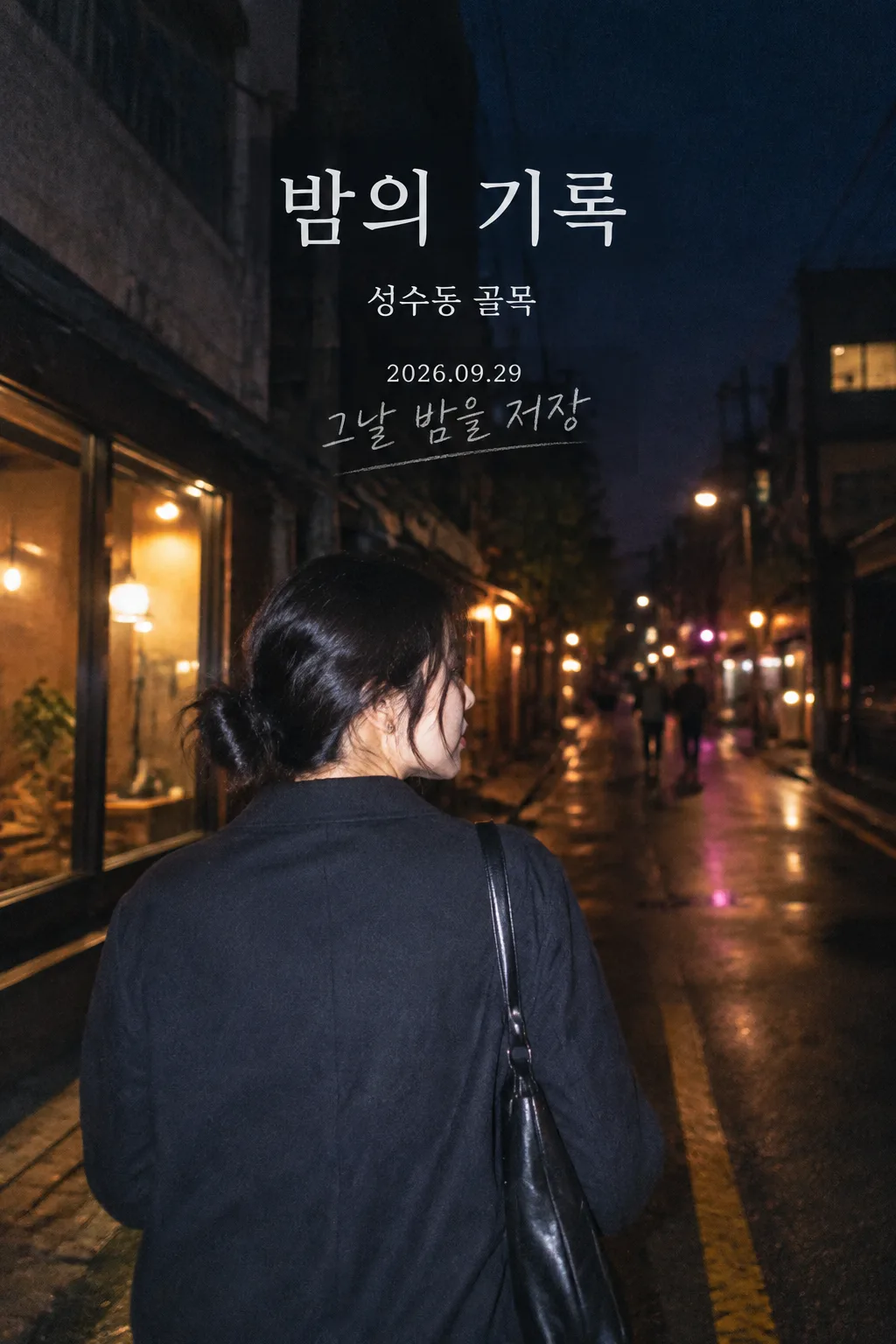
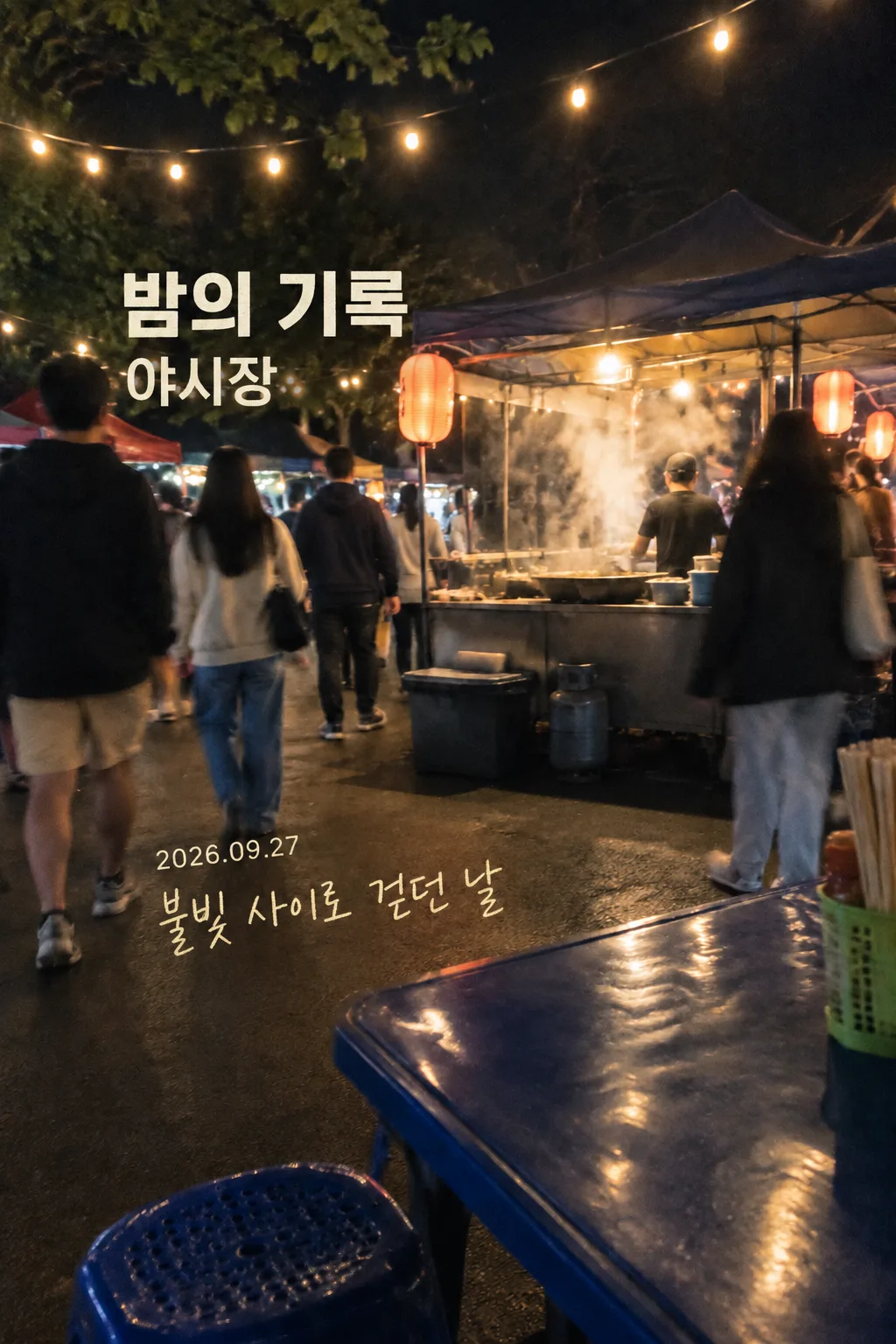
Turn a night photo you took into one personal diary image with its place, date, and a short line.
Fill in the fields
- 1Fill in the fields
- 2Copy the prompt
- 3Paste it into a GPT chat
- 4Send it as is and you get an image like the thumbnail example
- 5Attach a night photo you took with the prompt and your photo is used in the result Optional
Full prompt 7,219 characters
Generate this image now. Draw it directly - do not describe it, explain it, or ask questions.
PHOTO RULE (this overrides any other line in this prompt, before or after it, that calls the photo required or mandatory or says to ask for it): if a photo is attached, use it exactly as the instructions below describe. If no photo is attached, never ask for one and never stop — invent a fitting fictional subject (person, pet, food, product or place, whatever this card is about) in the spirit of the card's example image, and finish the image.
Output exactly one finished 2:3 portrait image, 1024x1536 pixels. Leave the top 12% and bottom 15% free of essential text.
Create exactly ONE complete vertical 2:3 Korean personal flash-photo diary image from the real NIGHTTIME photo attached in this SAME message. Render the finished image itself in this response. Do not output a set of options, multiple pages, a carousel, code, an editing plan, an explanatory answer, or a request for another turn.

[Purpose]
The photographer wants to post one memory of a night they actually photographed on an Instagram feed or Threads. The place they typed is "【Where you took it】". The actual date they typed is "【Date taken】". Their one-line text choice is "【Photo diary line】". Those are the only personal facts the image may claim. Build a diary page that visibly belongs to this one particular photograph, rather than a generic Y2K portrait or a pretend advertisement. The owner should be able to save the generated image and post it immediately without cropping, arranging images, adding text, or running code.

[Scene]
Use the attached photo as the one large documentary visual occupying about 80% of the canvas. Retain its recognizable people, number of people, faces, clothes, activity, objects, setting, storefront shapes, and viewpoint. Give the existing scene the direct-flash, high-contrast, slightly grainy energy of an early-2000s personal snapshot, but keep exposure believable. If the original already has a flash, respect its actual shadow direction and reflections. If it was taken in low light without flash, suggest the aesthetic through contrast, a little halation and tactile grain without pretending that different people, signs, buildings or activities were there. Design a narrow, integrated diary-type zone over a visually quiet area of the photo; it can have a soft translucent ink backing, but it is not a separate Polaroid frame, album sleeve, phone interface or sticker sheet.

[Attached photo]
The user's attached night photograph is mandatory and is the source of truth. Preserve facial identity, apparent age, natural skin tone, glasses, hair and expression when a person is visible. A scene with no visible person stays a scene without a person. Do not add a friend, companion, celebrity, performer, moon, landmark, shop sign, party, event, fireworks or street furniture absent from the real image. Do not infer the city from blurry signs. The typed place may be printed as text but must not become a fabricated landmark in the scene. Keep real background details legible enough to recognize the memory. If there is no photograph, or it is clearly a daytime photograph, request an actual night photo instead of fabricating a documentary night memory.

[Text layout]
Make the photographed scene fill the portrait canvas edge to edge. Keep the top 12% and bottom 15% free of essential words, allowing for website card overlays. In the calm area around 23-42% height print the short English heading "Night memories" in confident large letters. Below or beside it, print the user-provided place "【Where you took it】" once, also large enough for a website-list thumbnail. Group the date "【Date taken】" and one-line text "【Photo diary line】" together in the 57-73% height band, with both entire lines above 78%; make the latter larger, with warm English handwriting. Print the one-line text exactly as typed, letter for letter; never paraphrase or swap it. Only exception: when it is the button label Choose for me, write one original, short, image-specific English sentence of at most 16 characters characters instead (no invented person, event or feeling), and the label never appears. Keep the typed date exactly, including punctuation, and do not add a weekday, hour or year that the user did not enter. Never turn field labels into image text.

[Style]
Take broad inspiration from personal Y2K flash snapshots while making a new, original English photo diary. Ink-blue night shadows, restrained warm street-light amber and at most one electric accent may respond to the actual photograph. Use visible flash falloff, gentle optical bloom and honest film grain. This is a memory, so avoid turning every scene into a neon nightclub. The heading may use strong clean English sans lettering; the personal line can have a careful pencil-like handwritten texture but must be readable on a phone. Let the attached photo determine the palette when its light differs. No brand-specific camera, social app, diary template, logo or copied visual motif.

[Visual hierarchy]
At card-list size, a viewer immediately sees the real night scene and reads "Night memories" and the place. On a phone, the typed date and one-line memory remain readable without zooming. Keep all typography in naturally quiet image zones or on a modest opaque backing that does not hide a face. Protect the eyes, hands and distinctive background from text. The photo must remain the hero, with only one clear text system. The user should recognize their own place and moment, which is the reason this image is worth sharing rather than a stock Y2K photo.

[Lighting and texture]
Maintain a single coherent light direction and true contact shadows. Any bloom stays around real light sources or highlights and never washes out the words. Grain is fine and irregular, not a repeated digital dot pattern. Skin retains natural texture; dark streets retain detail without becoming a new location. Text edges stay crisp even where photographic highlights are bright. Do not render hard geometric lens stars or repeated flash halos.

[Text rules]
Render "Night memories" once. Render "【Where you took it】" and "【Date taken】" exactly once each. Render the supplied one-line text exactly once unless asked to choose one. Check every characters character and number before finalizing. Do not print "Choose for me", "Where you took it", "Date taken", "Photo diary line", braces, camera metadata, invented time, fake song title, hashtag, watermark, unrequested additional text or a guessed shop name. Never repeat the same phrase in a smaller caption.

[Avoid]
No second output image, before/after split, multiple-photo grid, fake photo booth strip, Polaroid frame, album cover, code, crop instruction, invented night event, retouched different person, celebrity, trademarked camera, copied poster, exaggerated neon, plastic skin, illegible handwriting, hidden face, duplicate person or extra limbs.

[Final output format]
Output exactly one finished 2:3 portrait image, 1024x1536 pixels. Leave the top 12% and bottom 15% free of essential text.
This selected output format takes priority over any fixed canvas size or aspect ratio elsewhere in this template. Adapt the composition, text zones and margins to the selected canvas without stretching or cropping essential content. Device safe areas apply only when a device is selected. Never print these format instructions on the image.
How did it turn out?
More cards in this category
How to use it · FAQ
Use this card to turn a real night photo into a personal memory piece complete with your own location, date, and caption for social feeds. It applies a subtle early-2000s direct-flash aesthetic while keeping your original setting intact instead of inventing a scene. Fill in the exact place you stood, the verified date, and either your own short text or a generated option.
Attach your nighttime picture to the chat first, then paste the copied prompt into the same input box before sending them together in one message. If you send the photo alone, make sure to add a brief instruction to use that attached image so the system references it properly. Verify your inputs carefully, especially if the picture includes identifiable people or private locations.
Check the resulting image to ensure your original people, objects, and viewpoints are accurately preserved without added imaginary landmarks or daytime lighting. Confirm that the title, location, date, and text line are clearly legible and positioned away from faces and borders. If the text overlaps important details, request a clean regeneration from the same input message.
How to read the two examples
The first image is a night-alley photo made for this example: original (left) → result (right), with Where you took it "Mangwon-dong alley", Date taken "2026.10.03" and Photo diary line "Choose for me". The rainy lamp light stays, while a flash-photo film texture and the "Night Notes" heading are added. GPT picked the line from what it saw in the photo.
The second image is a different photo (a night market) with the line typed as "Walking under the lights"; a line you type is printed exactly as written.
Both photos were made for these examples. What you receive is one image like the right side, not a comparison.
Last checked · Published