
All · Wallpapers · Quotes & mood
558Minimal album and book cover
Turn a title into one visual metaphor with generous space and carefully set lettering.
What you get
- One minimalist cover with generous space
- One focal image derived from the title
- Your exact title and optional name
ChatGPT Free OK
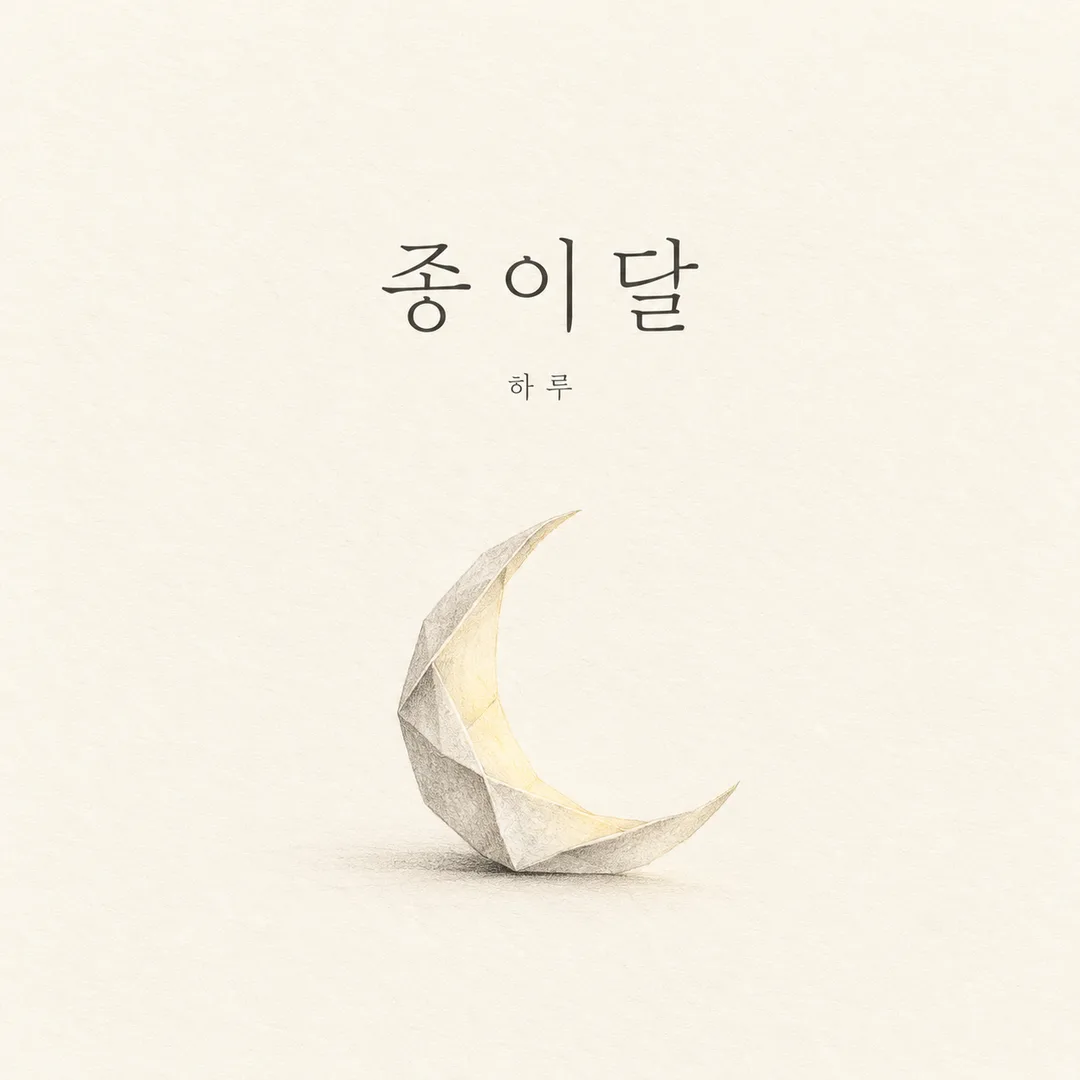
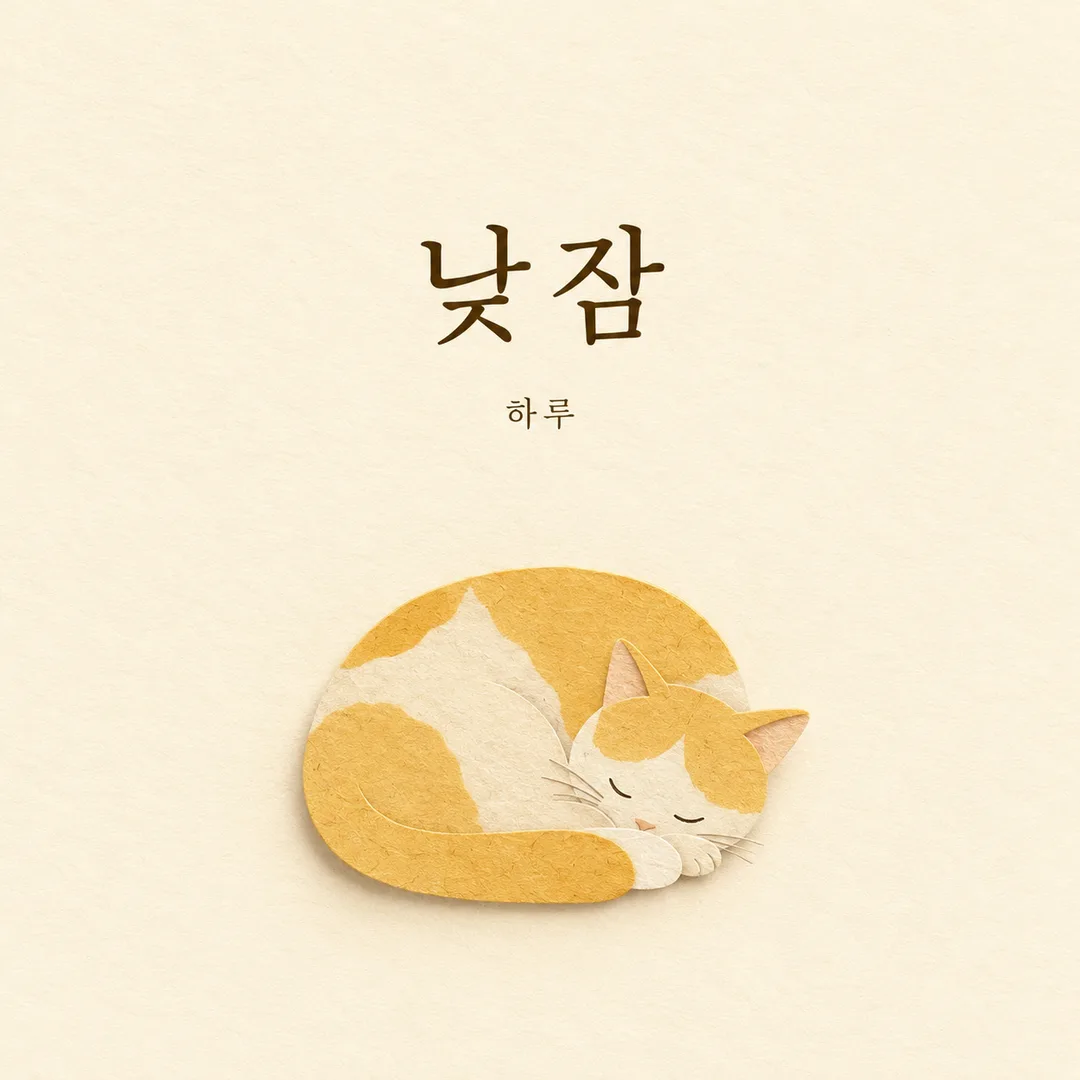
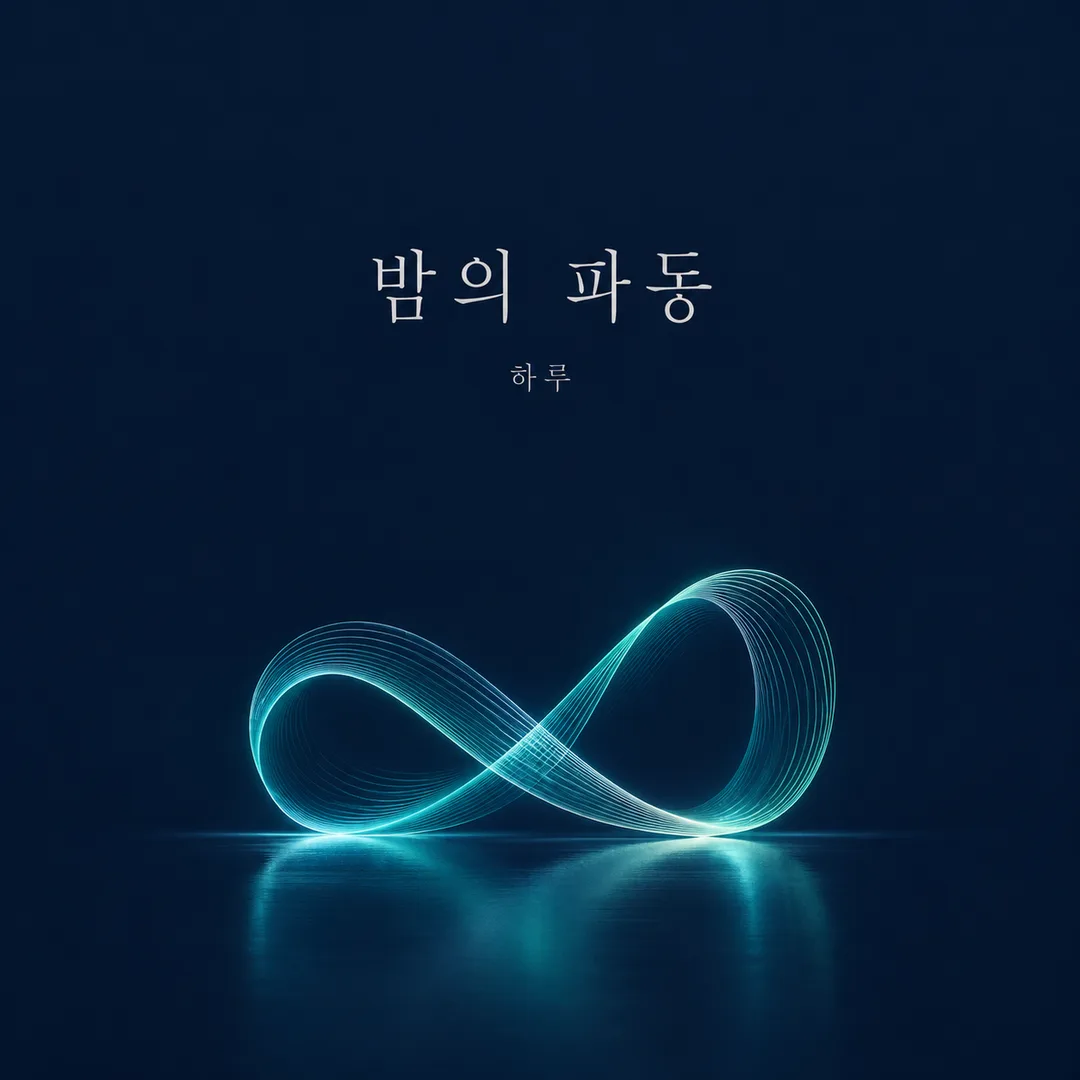
Fill in the fields
- 1Fill in the fields
- 2Copy the prompt
- 3Paste it into a GPT chat
- 4Send it as is and you get an image like the thumbnail example
- 5Attach a real photo that fits the card and it is used in the result: a background photo for background cards, a person or food photo for those cards Optional
Tested by us
- Test date
- 2026-10-29
- Tool
- ChatGPT image model (run in Codex) — same model as free ChatGPT, only the limits differ
- Result
- Pass
- What worked
- The final result is a single flat 1254×1254 square cover. The title ‘푸른 쉼’ and small author name ‘서윤’ appear once each, with no subtitle, logo, price, or watermark. The ivory background extends seamlessly to the edges, with a single transparent droplet containing a leaf at the bottom center. The overall graphic width is about 33% of the canvas, close to the upper limit of the ‘대략 22~32%’ instruction. The height is about 34%, centered at roughly 50% horizontally and 67% vertically. The title and name remain inside the safe area with generous margins preserved. The 55~65% margin was evaluated based on composition rather than exact pixel counts due to the borderless paper texture.
- What did not work
- No core non-compliance with the card's key requirements was found in the final version. In the 2 original attempts, the ripples and reflections expanded too wide, while the 2 intermediate edits exceeded the newly added height limit. These 4 images are preserved in pre-edit and intermediate edit respectively.
- How to improve
- When broad ripples follow, it works better to specify ‘Scenery 대신 독립된 사물 하나’ and use phrasing that keeps even reflections and shadows within the designated graphic area. This adjustment eliminated the surrounding water surface in actual testing. It is now reflected in the prompt ready for copying.
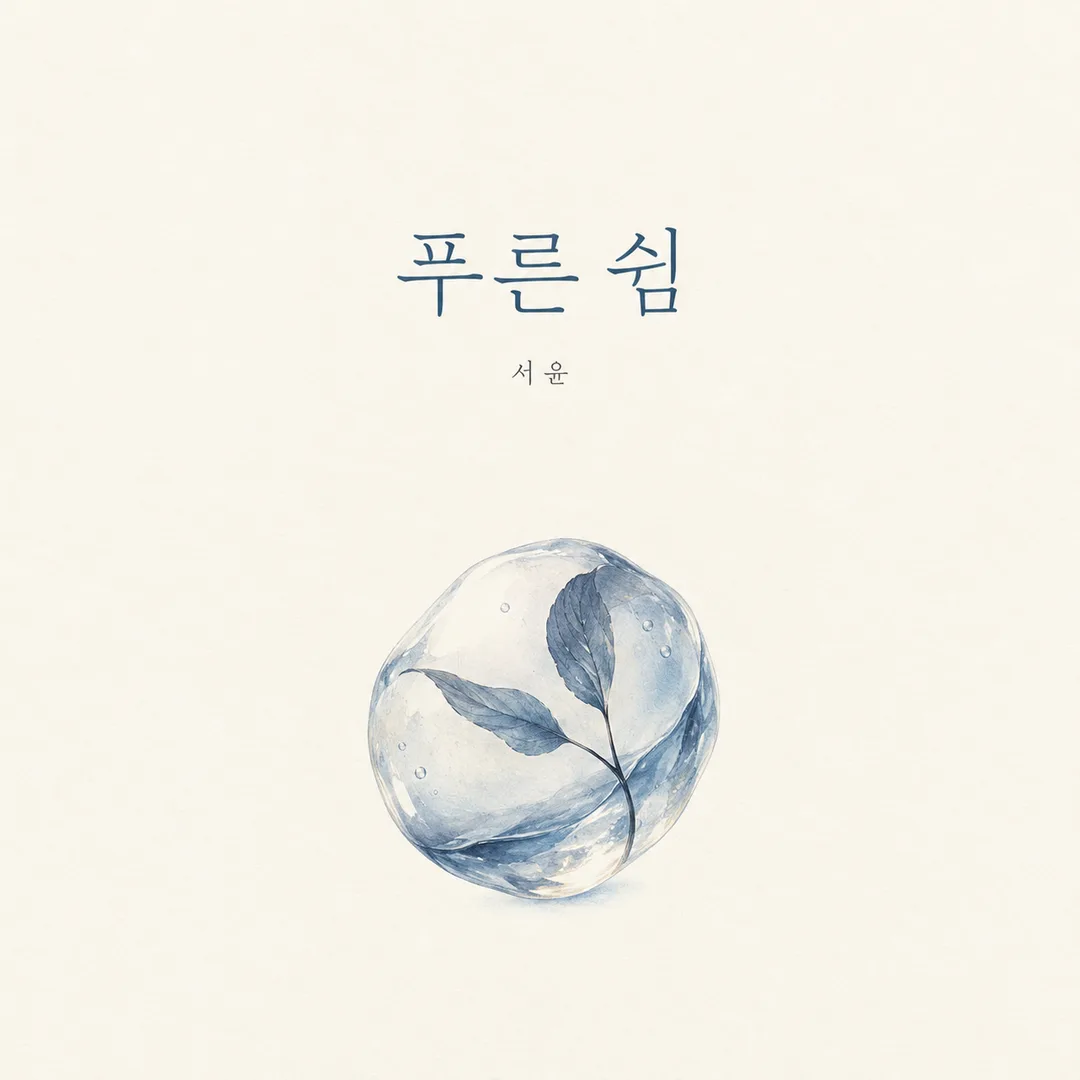
Full prompt 3,312 characters
Generate this image now. Draw it directly; do not explain or ask questions.
Output size 1080x1080 pixels, 1:1 square post. Keep all text fully readable.
Create exactly ONE original minimalist editorial cover artwork. Default square 1:1; obey the requested aspect ratio. It is a single flat front-cover design suitable for an independent album or literary book, never a physical book, sleeve, spine, device, framed print or scene mockup. Background fills every edge. No collage, variants, promotional badges or surrounding margins.
TITLE: "【Title】". Preserve its exact language, spelling, spaces and punctuation. If blank, use "Blue Pause". NAME: "【Name】". Print exactly once in smaller type; omit the name line entirely if blank. COLOR DIRECTION: "【Color】"; if blank use ivory, muted blue and charcoal. Color words and codes are instructions, never visible text.
Derive one concrete, original visual metaphor from the title and its emotional associations. If the title is abstract, choose a single simple object rather than extra words. Choose its visual treatment automatically to suit that metaphor: delicate graphite for fragile reflective subjects, tactile cut paper for playful warm subjects, or precise luminous geometry for nocturnal rhythmic subjects. Do not imitate any named artist. Keep a consistent minimalist editorial design discipline while varying the subject-specific medium. Never combine treatments into a collage or provide a style menu.
Keep 55-65% of the canvas as quiet uninterrupted negative space. Place exactly one focal illustration in the lower-middle area, occupying roughly 22-32% of canvas width. Choose one isolated object, not a landscape or a scene. All illustration marks, including shadows, reflections and any supporting parts, must fit together inside a single bounding box 22-32% of canvas width and 22-40% of canvas height, centered at 50% across and 66% down the canvas. Outside that box, keep only the uninterrupted background and the specified lettering; no water surface, horizon, ground line or surrounding scenery. Set the title in refined, highly legible typography in the upper-middle area, with deliberate optical spacing and a clear contrast to the background. Place the smaller name below the title. Keep important lettering between 16% and 80% of canvas height, with side safe margins of at least 9%. Adapt spacing to the selected ratio; no clipping or shrinking everything into an inset square. Large negative space belongs to the cover itself, not to an outer mockup.
Render ONLY the exact title and optional exact name. No subtitle, numbers, dates, publisher mark, logo, signature, watermark, price, promotional copy or production notes. Check every visible character against the supplied strings before completing. Use fictional original visual designs only; no recognizable branded products, logos, characters, real people or existing cover artwork. Do not reproduce a reference image or its text. Ignore attached photos. Return one finished cover image.

[Final output format]
Output size 1080x1080 pixels, 1:1 square post. Keep all text fully readable.
This selected output format takes priority over any fixed canvas size or aspect ratio elsewhere in this template. Adapt the composition, text zones and margins to the selected canvas without stretching or cropping essential content. Device safe areas apply only when a device is selected. Never print these format instructions on the image.
How did it turn out?
You may also like
How to use it · FAQ
Make a front cover for an independent music release or a short literary collection using generous space, one symbolic image, a title and an optional name. Paste the completed prompt into an image AI once to request one design. The default is square 1:1. It produces artwork itself rather than a photographed book or a collection of alternatives. Photos are unnecessary and attachments are ignored.
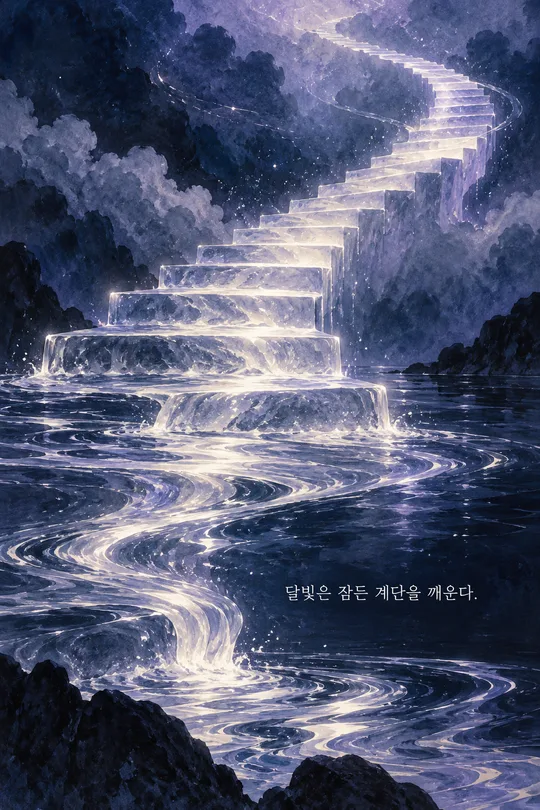
Only Title is required. Use a short title exactly as it should appear. Its meaning determines one focal image and an appropriate medium automatically: Paper Moon suggests delicate graphite, Afternoon Nap warm cut paper, and Night Waves precise luminous geometry. These are subject-led variations within one minimalist editorial cover format, without a format or style selector. An empty title uses Blue Pause.
Name appears in smaller lettering; leave it empty to omit that line. Haru is the example name. Color controls the background, image and lettering palette. You may use color names or codes; codes are never printed. An empty color field uses ivory, muted blue and charcoal. Change the ratio with the shared size selector.
Enlarge the result and compare every character, space and punctuation mark in the title and name against the original. If incorrect, quote the exact desired string and request regeneration. Remove invented subtitles or publisher marks. Check that there is only one illustration and that the background reaches all edges. Avoid existing cover designs and artist imitation. Confirm file dimensions and submission requirements with the publishing or music platform. This card provides a prompt; check fees and usage terms with the external service.