
All · Comics & illustration · Animals
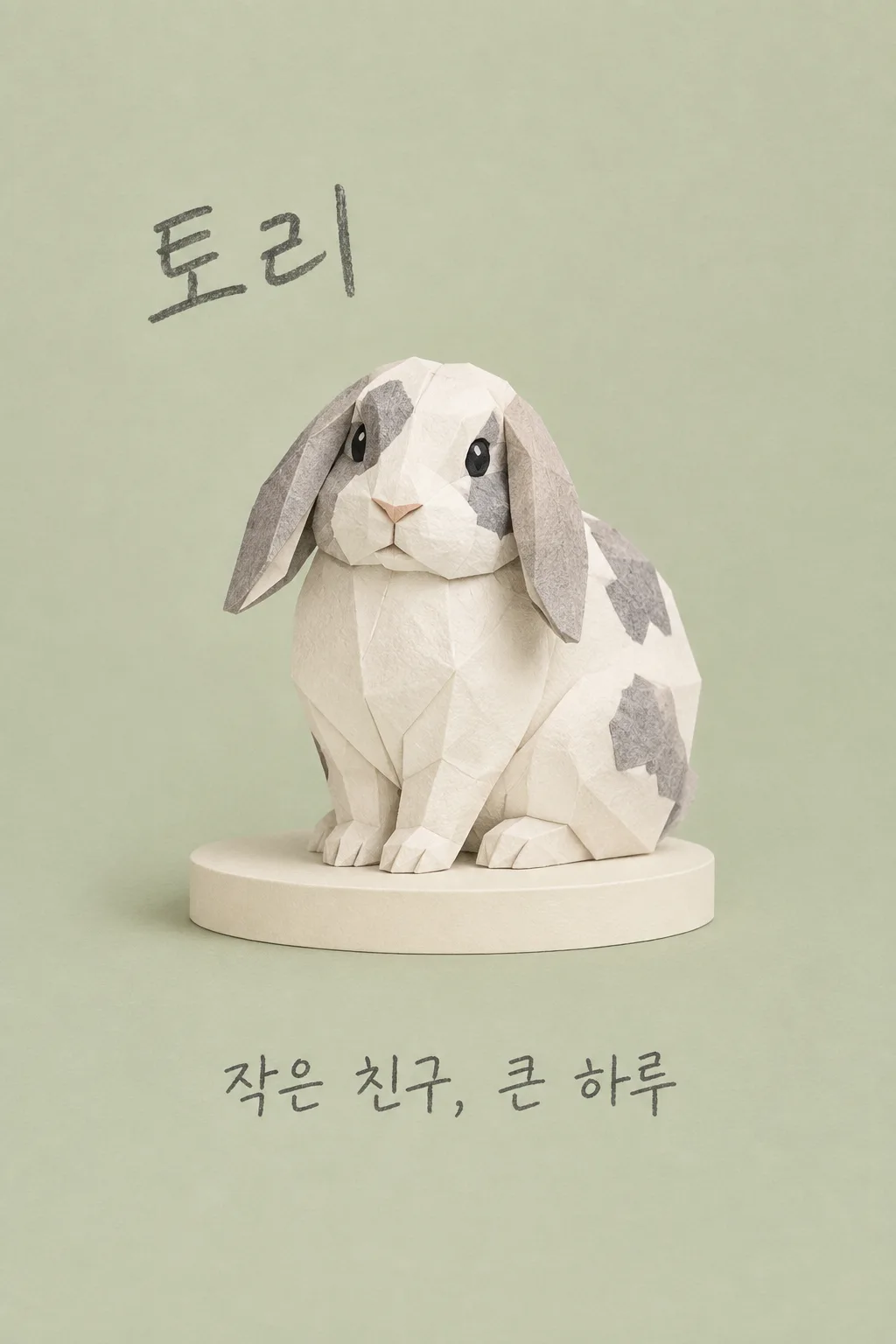
170Pet Paper-Art Portrait
Turn your pet photo into one folded-paper-inspired portrait for social posts.
Fill in the fields
- 1Fill in the fields
- 2Copy the prompt
- 3Upload Pet photo and paste the prompt into your GPT chat
- 4Check that both the photo and prompt are attached, then send
Full prompt 5,460 characters
Generate this image now. Draw it directly - do not describe it, explain it, or ask questions.
Output one landscape A3 poster, 420 x 297 mm, aspect ratio 1.414:1. Use the largest supported resolution. Final print target: 4961x3508 pixels at 300dpi. Keep all text at least 10 mm inside the edges.

[Purpose]
Create ONE complete pet portrait inspired by folded paper sculpture, ready for a pet owner's social post or profile background. Use a single photographed papercraft-style animal standing on a plain low circular display plinth. The animal is a portrait of the attached real pet; the result is imaginative artwork, not a folding tutorial, product advertisement, printable cutting template or promise that the object can be manufactured.

[Scene]
Exactly one pet, with its whole body visible, takes a relaxed seated pose appropriate to its species. Use one fixed angular paper-sculpture medium: connected folded planes, crisp crease edges, matte fiber paper, subtly layered colored-paper markings and one coherent body volume. Keep the real pet's recognizable ear shape, muzzle, fur-color regions, eye placement and relative body proportions, translated respectfully into simple folded planes. A lop-eared rabbit must have two downward ears; a cat has its actual triangular ears and one tail; a dog keeps its photographed muzzle and ear type. These are interpretation examples, not permission to add another animal. Do not flatten the pet into a folded-paper icon or swap it for a generic stock animal.

[Attached photo]
Use one attached photograph of the owner's pet, with face, ears and markings clearly visible. The owner attaches the photo and the complete prompt in the same message. The animal's species comes from the photograph, not from its name. Preserve the visible markings rather than inventing a breed or health history. Avoid copied logos, brands and background text. Create one original folded-paper-inspired portrait of this one pet. The paper medium may simplify fine fur; it should not erase a distinctive dark patch or reverse left and right markings.

[Text layout]
All visible words are English. Use a pale muted sage backdrop and warm ivory plinth, with clear graphite lettering. Keep upper0-18% and lower82-100% empty of all essential text. At20-27% put "【Pet name】" ONCE in large, legible graphite pencil handwriting. The single animal occupies approximately x25-76%,y36-65%; include both ears and its full seated silhouette. The simple plinth occupies y65-69%, with only a small soft shadow beneath it. The backdrop is continuous, with no box, frame or price label.
If the owner supplied a real remembrance date, add "【Remembrance date】" once as a small pencil line at28-31%; omit it completely if this instruction is absent. Never invent a date, year or weekday.
The caption input is "【Caption】". If it is "Pick for me", compose one short English affectionate observation about this pictured pet without inventing events, age, breed or health facts. Otherwise print the supplied wording exactly. Put the entire caption at74-80%, in comfortably large dark pencil handwriting, at most two lines. Do not repeat the name in this caption. Only the name, optional date and one caption are visible text. No generic Origami title is added.

[Style and visual hierarchy]
One fixed serene studio portrait of a tactile paper animal. The pet's face and dimensional silhouette dominate; the name and caption stay readable at list size. Warm ivory and sage suggest quiet Japanese paper stationery without copying a particular artist or character. Keep the animal's own actual colors. No watercolor animal, plush toy, plastic figure, origami step grid, multiple angles or paper template. Photograph-like soft studio shading may describe the sculpture, but the folds and paper fibers must remain unmistakable.

[Lighting and texture]
Gentle upper-left daylight reveals the connected planes and small changes in paper tone. Use one thin contact shadow where the animal rests on the plinth. No glossy resin, glass eyes, synthetic fur, strong neon rim light, floating disconnected facets or repeated geometric paws. The legs and ears join the body; retain one natural tail only if the pet has a visible one. Keep the sculpture within the canvas without requiring the user to crop it. This image is a fictional paper-art interpretation, not instructions for physically folding an animal from a sheet.

[Text rules]
All quoted visible copy belongs to the artwork, while input labels and instruction headings do not. Resolve any automatic wording control into a short original sentence before drawing; never print that control literally. Preserve provided spelling and numbers, and use the target language consistently. Keep readable letters separate from highlights, folds, shadows and decorative marks. Do not invent a price, discount, date, availability, award, endorsement, biography or purchasing condition. The fixed composition and medium stay the same for every user; personal inputs change its content only.

[Avoid and final delivery]
Deliver exactly ONE finished raster image in this response. Draw it directly with image generation. Do not execute code, give drawing instructions instead of an image, offer multiple versions, create separate pages, ask for a next message, or require cropping and assembly. No phone mockup, browser frame, watermark, publisher logo, branded packaging, existing character or celebrity likeness. Finish all artwork within the selected aspect ratio, preserving the composition and large readable lettering. Leave the upper 12% and lower 15% free of essential lettering and maintain generous side margins.
You may also like
How to use it · FAQ
Your pet as a paper-art portrait
Turn a photograph of your dog, cat or rabbit into one quiet portrait inspired by folded paper sculpture. Connected matte-paper planes replace fine fur, while the real ear shape and large markings remain recognizable. One animal rests on a low ivory plinth against sage, with its name and an affectionate pencil caption. Share the complete image on Stories, Threads or as a profile background. It is artwork, not a commercial product mockup or a physical folding tutorial.
Choose a clear photograph
Use one photo showing the face, both ears and distinctive color regions. A face partly outside the frame is harder to preserve. Attach the photograph to GPT without sending yet, paste the complete prompt into the same message, check both and send once. If the photo was sent alone, add “Use the photo above” to the prompt. One message asks for one finished portrait of one pet, without additional angles or pages.
Name and caption
Enter the name you actually call your pet. The species is determined by the photograph, not inferred from the name. Choose Pick for me for a short affectionate caption if you cannot decide on words, or write a personal line. The automatic caption must not invent a breed, age, health fact or life event. Avoid repeating the name inside the caption because it already appears clearly above the sculpture.
A real date is optional
If you want to remember a real adoption or outing date, enter it. Leave the field empty otherwise; only the small date line disappears. No birthday, year or weekday is guessed. The portrait remains one complete composition whether a date is supplied or not. You can keep the post simple with just a name and one line.
A fixed material and scene
Expect angular connected paper planes, tactile fibers, soft studio shadows, one sage backdrop and one low display plinth. There is no watercolor, plush-toy, plastic-figure or layout selector. The medium simplifies tiny fur details but should preserve a drooping ear or distinctive large patch. This is not a folding sequence or a sheet of several views. Do not treat the generated folds as a verified manufacturable structure.
Compare its recognizable features
Check the ears, muzzle, markings and eye positions against your photo. A lop rabbit should not acquire upright ears, and a dark patch should not move to the opposite side. Legs, ears and any tail must connect naturally to the body. Reject floating paper shards, repeated paws or a generic animal replacing your pet. Read the name and caption at phone size before sharing.
Correct one complete portrait
Use a clearer reference photo if important features disappear. Shorten an overlong caption, then send the corrected full prompt and photo together in a fresh message. You do not need to generate paws separately, ask for a next page or crop a final assembly. This imaginary paper-art portrait is not a promise that the sculpture can physically be folded from a single sheet.
Questions
- Do I need several photos? One clear pet photograph is recommended.
- Is this a working origami pattern? No. It is a shareable paper-art-inspired portrait.
- What if I do not know a date? Leave that optional field blank; no date should be invented.
- Was it tried in free GPT? The production cover was checked through the image API, not by a direct free-interface test.