
All · Comics & illustration · Scenery
188My trip in layered paper
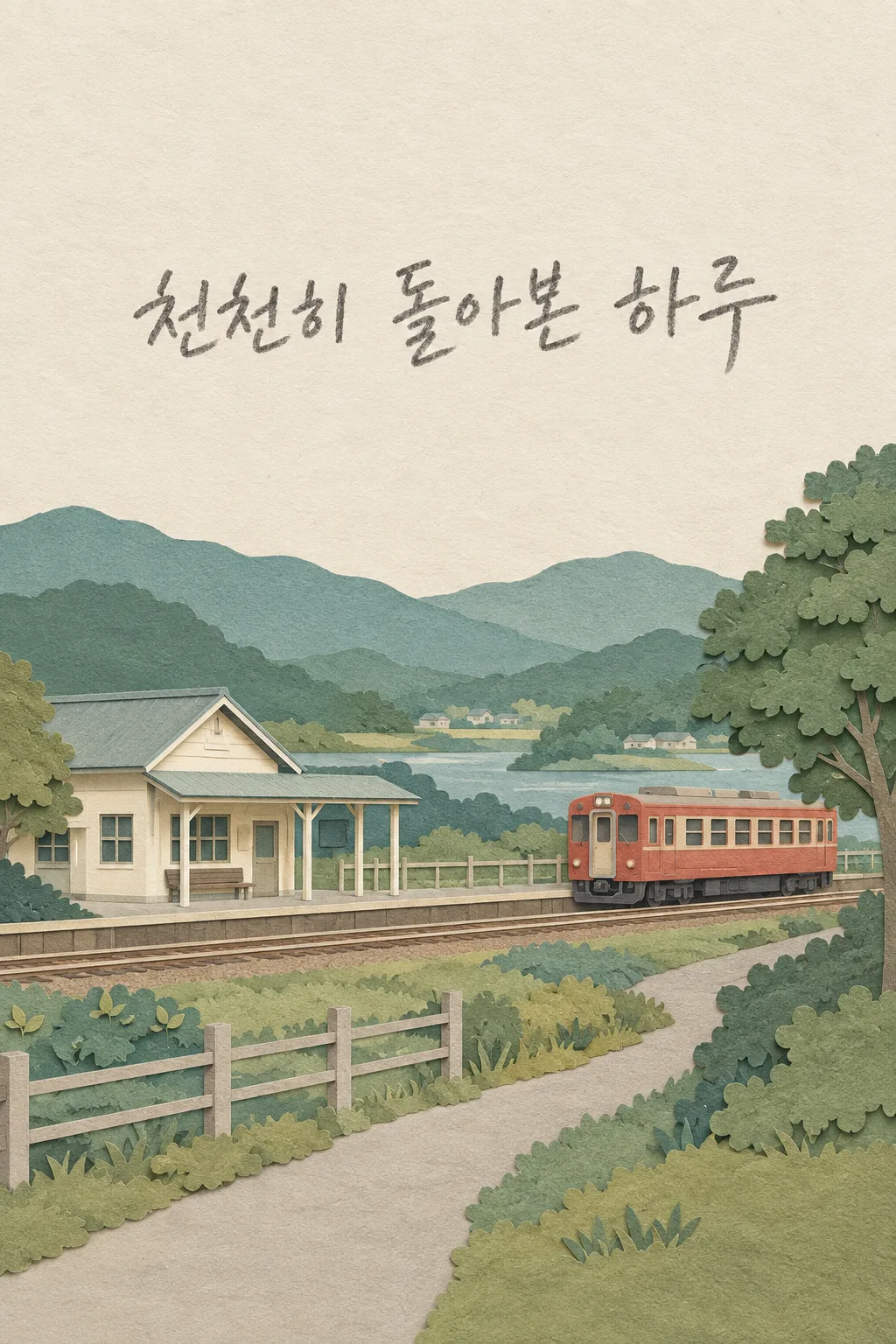
Turn your own travel photograph into one layered-paper landscape with a pencil memory line.
Fill in the fields
- 1Fill in the fields
- 2Copy the prompt
- 3Upload One travel landscape photo you took and paste the prompt into your GPT chat
- 4Check that both the photo and prompt are attached, then send
Full prompt 3,972 characters
Generate this image now. Draw it directly - do not describe it, explain it, or ask questions.
Output one landscape A3 poster, 420 x 297 mm, aspect ratio 1.414:1. Use the largest supported resolution. Final print target: 4961x3508 pixels at 300dpi. Keep all text at least 10 mm inside the edges.

[Purpose]
One finished layered-paper landscape from a user's own travel photo, with a large pencil memory line. This is a personal travel artwork rather than a portrait, itinerary, before-and-after collage or desktop model.

[Scene]
Preserve the actual viewpoint, skyline, terrain, buildings, roads, water and relative object positions. Retain visible people and vehicles in their real counts and positions. Translate them into thin stacked matte paper planes. Fit a wide source without removing important edges; extend only plain sky or ground, never another attraction. Caption: "【Memory line】". For "Let AI choose", write a reflective sentence of at most eight English words about noticing the view, with no invented date, destination or travel history.

[Attached photo]
The user's own travel photo is required and defines the scene. Do not substitute a generic street or guess a famous location. Keep source colors recognizable in muted teal, sage, ivory and rust. No invented sign lettering, brand or logo.

[Text layout]
Open paper sky; large pencil caption y18-28%; one connected layered landscape y31-100%, with foreground, middle scene and distant skyline. No photo inset or separate panels.
Optional place only: render "【Place name】" on a quiet ground area at y78-81%.
Optional name only: render "【Name】" on a separate modest pencil line at y82-84%, with no empty tag.

[Style]
Fixed handcrafted layered matte paper, clean cut silhouettes, fine fibers and shallow shadows. Misty teal, sage, ivory and small rust accents. Not watercolor, woodcut, origami, toy bricks or an animation screenshot. The source changes while this medium and hierarchy remain fixed.

[Visual hierarchy]
Memory line first; recognizable place-specific landscape next. Distinct roofs, roads and terrain must remain legible as a small list image. Optional names are secondary. No wrapper or promotional title.

[Lighting and texture]
Soft grazing light reveals thin stacked paper edges and restrained depth. Continuous connected planes, sensible foreground order and matte surfaces. No floating objects, plastic shine or room background.

[Text rules]
English visible text in large dark graphite pencil handwriting. Reproduce the supplied caption unless it is the automatic-choice control. Only entered place and name are printed. No inferred city, arrival date, temperature, attraction facts, control text or field label.

[Avoid]
No replacement destination, invented landmark, map, source-photo inset, animal origami, tabletop miniature, multiple panels, brand, known artist or files to combine. Generate the finished landscape directly.

[Single-image delivery]
Deliver exactly one completed raster image, with one fixed medium and one fixed composition. All requested elements belong inside this single canvas. Generate it directly without running code, giving setup instructions, asking follow-up questions, presenting alternatives, or requiring the user to crop or combine files. Do not put the prompt, field names, placeholders, explanations or an advertising wrapper in the artwork. Keep the outer canvas fully finished edge to edge. Respect the selected aspect ratio by adapting spacing only; preserve the same result type and relative visual hierarchy.

[Legibility and factual discipline]
Keep every essential letter within 14-84% of the canvas height and 7-93% of its width. Leave the top 12% and bottom 15% free of important lettering. At 1024x1536, essential ink must stay between y215 and y1290. Use readable dark-on-light or light-on-dark contrast, actual connected letters and natural word spacing. Never fabricate dates, discounts, counts, rewards, statistics, origins, medical effects or business terms. Do not reproduce trademarks, famous people, named fictional characters, franchise imagery, artist signatures, watermarks, device mockups or official app interfaces.
You may also like
How to use it · FAQ
Keep a trip as a material memory
Turn a place you photographed into one landscape made of stacked colored paper. A small station, street, coast or walking path becomes a personal social post. The whole scene changes material; there is no original-photo comparison panel. Your own viewpoint and buildings make the result specific to your trip.
Pick the right photo
Choose one photograph showing the setting clearly. A landscape with roads, buildings or terrain works better than a tightly cropped face. People may remain in the scene, but the place is the focus. Use a photo you took or have permission to use. The preview station is fictional and demonstrates the paper medium, not a real travel destination.
Add a short memory
Write a line you want to keep beside the view, or choose Let AI choose for a general reflective phrase. Automatic wording cannot invent a date or trip story. Enter a place name only when you know it; otherwise leave it empty. Your personal name is also optional. Empty names remove only their small lines while the landscape and main caption remain. There is no art-style or layout selector.
Send once
Add the photograph to GPT without sending it yet. Paste the completed prompt into the same message, check both are present and send them together. If the photo was sent earlier, ask to use the photo above. The intended output is one finished landscape. You do not need to cut paper, combine files or crop anything.
Compare the place
Check building positions, road direction, terrain and the count of visible people or vehicles against the photo. A new material should not become a different destination. A wide source may gain plain sky or ground to fit, but no invented landmark. Look for thin cut edges and shallow paper-layer shadows, rather than folded origami or a toy scene on a table.
Repair a mismatch
Describe the real relationship, such as station left and train right. Quote a correct caption if spelling changes. Remove any guessed city or date. The first message requests a complete image; another message is only a repair if it fails.
Common questions
- Only Japanese travel photos? Any location can become the same paper landscape.
- Is the original shown too? No. The whole scene is transformed into one artwork.
- What if I do not know the place name? Leave it empty; the prompt does not guess.