
項目を入力
- 1項目を入力します
- 2プロンプトをコピーします
- 3GPTのチャットにペット写真とプロンプトを一緒に送ります
- 4写真と文章の両方が入っていることを確認します
プロンプト全文を見る 5,436文字
Generate this image now. Draw it directly - do not describe it, explain it, or ask questions.
A3横、420×297mm、縦横比1.414:1のポスターを1枚作成してください。生成できる最大解像度を使い、印刷用の最終目標は4961×3508ピクセル、300dpiです。文字は紙の端から10mm以上内側に置いてください。

[Purpose]
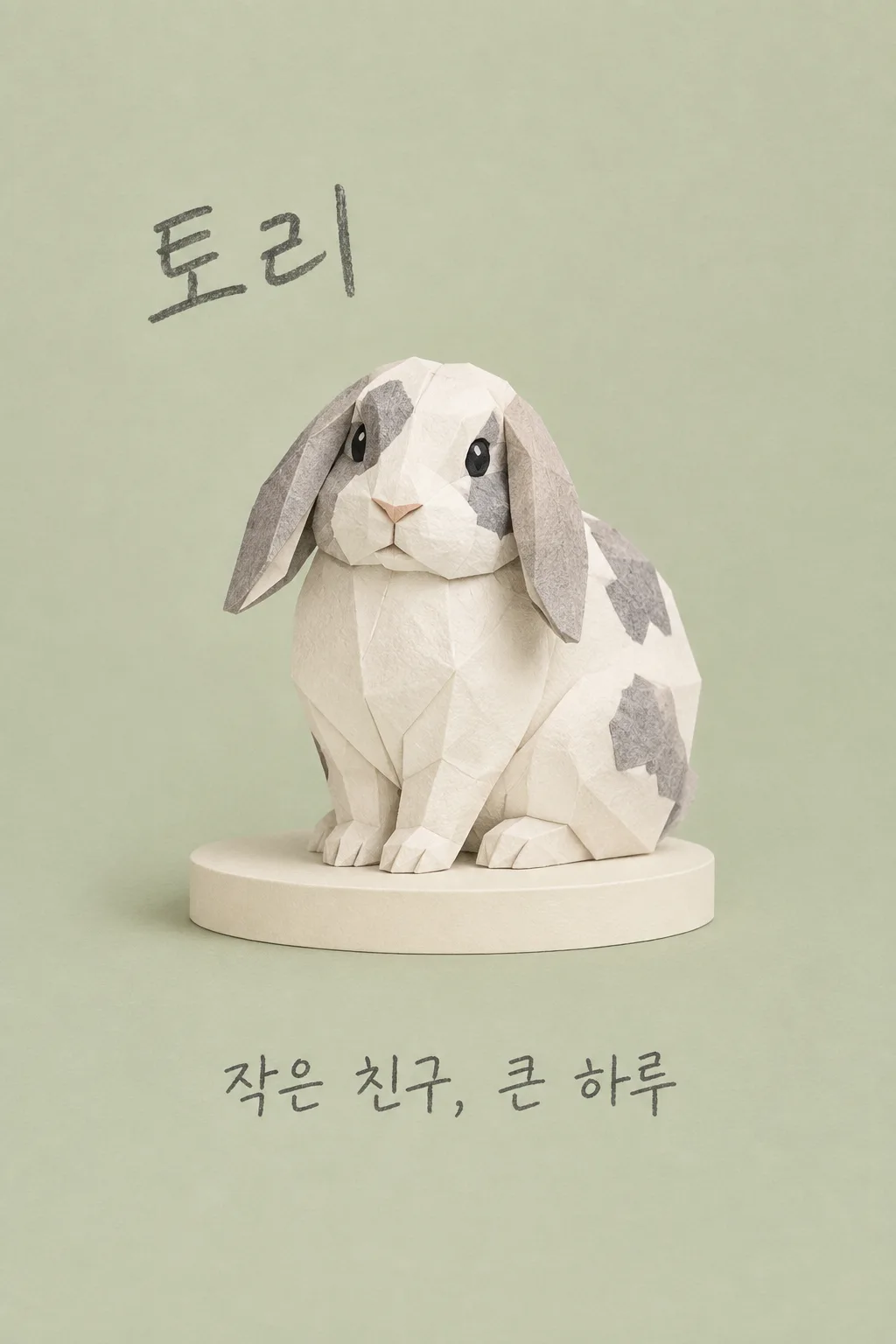
Create ONE complete pet portrait inspired by folded paper sculpture, ready for a pet owner's social post or profile background. Use a single photographed papercraft-style animal standing on a plain low circular display plinth. The animal is a portrait of the attached real pet; the result is imaginative artwork, not a folding tutorial, product advertisement, printable cutting template or promise that the object can be manufactured.

[Scene]
Exactly one pet, with its whole body visible, takes a relaxed seated pose appropriate to its species. Use one fixed angular paper-sculpture medium: connected folded planes, crisp crease edges, matte fiber paper, subtly layered colored-paper markings and one coherent body volume. Keep the real pet's recognizable ear shape, muzzle, fur-color regions, eye placement and relative body proportions, translated respectfully into simple folded planes. A lop-eared rabbit must have two downward ears; a cat has its actual triangular ears and one tail; a dog keeps its photographed muzzle and ear type. These are interpretation examples, not permission to add another animal. Do not flatten the pet into a folded-paper icon or swap it for a generic stock animal.

[Attached photo]
Use one attached photograph of the owner's pet, with face, ears and markings clearly visible. The owner attaches the photo and the complete prompt in the same message. The animal's species comes from the photograph, not from its name. Preserve the visible markings rather than inventing a breed or health history. Avoid copied logos, brands and background text. Create one original folded-paper-inspired portrait of this one pet. The paper medium may simplify fine fur; it should not erase a distinctive dark patch or reverse left and right markings.

[Text layout]
All visible words are Japanese. Use a pale muted sage backdrop and warm ivory plinth, with clear graphite lettering. Keep upper0-18% and lower82-100% empty of all essential text. At20-27% put "【ペットの名前】" ONCE in large, legible graphite pencil handwriting. The single animal occupies approximately x25-76%,y36-65%; include both ears and its full seated silhouette. The simple plinth occupies y65-69%, with only a small soft shadow beneath it. The backdrop is continuous, with no box, frame or price label.
If the owner supplied a real remembrance date, add "【記念日】" once as a small pencil line at28-31%; omit it completely if this instruction is absent. Never invent a date, year or weekday.
The caption input is "【ひと言】". If it is "おまかせ", compose one short Japanese affectionate observation about this pictured pet without inventing events, age, breed or health facts. Otherwise print the supplied wording exactly. Put the entire caption at74-80%, in comfortably large dark pencil handwriting, at most two lines. Do not repeat the name in this caption. Only the name, optional date and one caption are visible text. No generic Origami title is added.

[Style and visual hierarchy]
One fixed serene studio portrait of a tactile paper animal. The pet's face and dimensional silhouette dominate; the name and caption stay readable at list size. Warm ivory and sage suggest quiet Japanese paper stationery without copying a particular artist or character. Keep the animal's own actual colors. No watercolor animal, plush toy, plastic figure, origami step grid, multiple angles or paper template. Photograph-like soft studio shading may describe the sculpture, but the folds and paper fibers must remain unmistakable.

[Lighting and texture]
Gentle upper-left daylight reveals the connected planes and small changes in paper tone. Use one thin contact shadow where the animal rests on the plinth. No glossy resin, glass eyes, synthetic fur, strong neon rim light, floating disconnected facets or repeated geometric paws. The legs and ears join the body; retain one natural tail only if the pet has a visible one. Keep the sculpture within the canvas without requiring the user to crop it. This image is a fictional paper-art interpretation, not instructions for physically folding an animal from a sheet.

[Text rules]
All quoted visible copy belongs to the artwork, while input labels and instruction headings do not. Resolve any automatic wording control into a short original sentence before drawing; never print that control literally. Preserve provided spelling and numbers, and use the target language consistently. Keep readable letters separate from highlights, folds, shadows and decorative marks. Do not invent a price, discount, date, availability, award, endorsement, biography or purchasing condition. The fixed composition and medium stay the same for every user; personal inputs change its content only.

[Avoid and final delivery]
Deliver exactly ONE finished raster image in this response. Draw it directly with image generation. Do not execute code, give drawing instructions instead of an image, offer multiple versions, create separate pages, ask for a next message, or require cropping and assembly. No phone mockup, browser frame, watermark, publisher logo, branded packaging, existing character or celebrity likeness. Finish all artwork within the selected aspect ratio, preserving the composition and large readable lettering. Leave the upper 12% and lower 15% free of essential lettering and maintain generous side margins.
こちらのカードも人気です
使い方・よくある質問
うちの子を紙の作品に
犬、猫、うさぎなどの写真を、折った紙の面で表す一枚の立体風ポートレートに変えます。つながった耳や体、紙の色の重なり、薄い影が特徴です。低い台の上に一匹だけを置き、名前と短い鉛筆の言葉を添えます。InstagramやThreadsで紹介したり、プロフィールの背景にしたりできます。販売用の模型や、実際の折り方を教える図ではありません。
耳と模様が分かる写真
顔、両耳、大きな色の模様がはっきり写った一枚を選んでください。顔の一部が切れた写真では特徴を残しにくくなります。GPTの入力欄に写真を追加し、まだ送信しません。同じ欄にプロンプト全体を貼り、両方そろってから一度送ります。写真だけ先に送った場合は「上の写真を使って」と末尾に足せます。一回のメッセージで一匹の完成画像一枚を求めます。
名前とひと言
いつも呼んでいる実際の名前を入れます。動物の種類は写真から判断し、名前から品種を作らない指示です。言葉が決まらなければ先頭の「おまかせ」を選んでください。写真に合う短い愛情の言葉を生成します。自分で書いてもかまいません。書いていない年齢、病歴、出来事は追加しません。名前は上に大きく出るので、ひと言で繰り返す必要はありません。
記念日は任意です
一緒に出かけた日や家族になった日など、実際に記録したい日付だけを入れます。空欄にすると小さな日付の行だけがなくなります。生年月日、年、曜日を推測しません。日付の有無にかかわらず一枚の紙の作品風に完成します。詳しい事情を公開せず、名前とひと言だけでも使えます。
一つの技法に固定
紙の角ばった面、つながった体、無光沢の繊維、薄い影という見た目です。水彩、ぬいぐるみ、プラスチックのフィギュアを選ぶ欄はありません。セージ色の背景と低いアイボリーの台も固定です。細かな毛は単純化しても、垂れた耳や顔の大きな模様は残す必要があります。折る順番や複数の角度を並べた結果ではありません。
特徴とつながりを確認
実際の写真と比べ、耳、顔の模様、目と鼻の位置を見ます。垂れ耳が立ち耳になったり、黒い模様が逆側へ移ったりしたら修正してください。脚や尻尾は体につながり、紙のかけらが宙に浮いていないことも確認します。名前とひと言がスマートフォンで読める大きさになっているか見てから共有してください。
一枚全体を直す
特徴が消えたら鮮明な写真に変え、文章が長ければ短くします。修正した全体のプロンプトと写真を新しいメッセージで一緒に送ります。耳や足だけを別々に作り、最後に切り貼りする工程はありません。この画像は紙の造形を想像した作品で、同じ構造を実際に一枚の紙から折れる保証はしません。工作の手順として使わないでください。
よくある質問
- 写真は何枚必要ですか? 特徴の見える写真一枚をおすすめします。
- 実際の折り図ですか? いいえ。紙造形から着想した共有用ポートレートです。
- 記念日が分からないときは? 任意欄を空にしてください。日付を作りません。
- 無料GPTで試しましたか? 表紙は画像APIで確認し、無料GPT画面の直接生成テストは行っていません。