

All · Social posts · Tips & facts
062Recipe Card
Measured ingredients sit beside the cooking step that uses them, with a vertical rail or a horizontal worktop layout.
What you get
- One recipe card with a photographic finished dish
- Three stations linking ingredients, seasonings and cooking actions
- A layout choice that moves the photo and ingredient rail
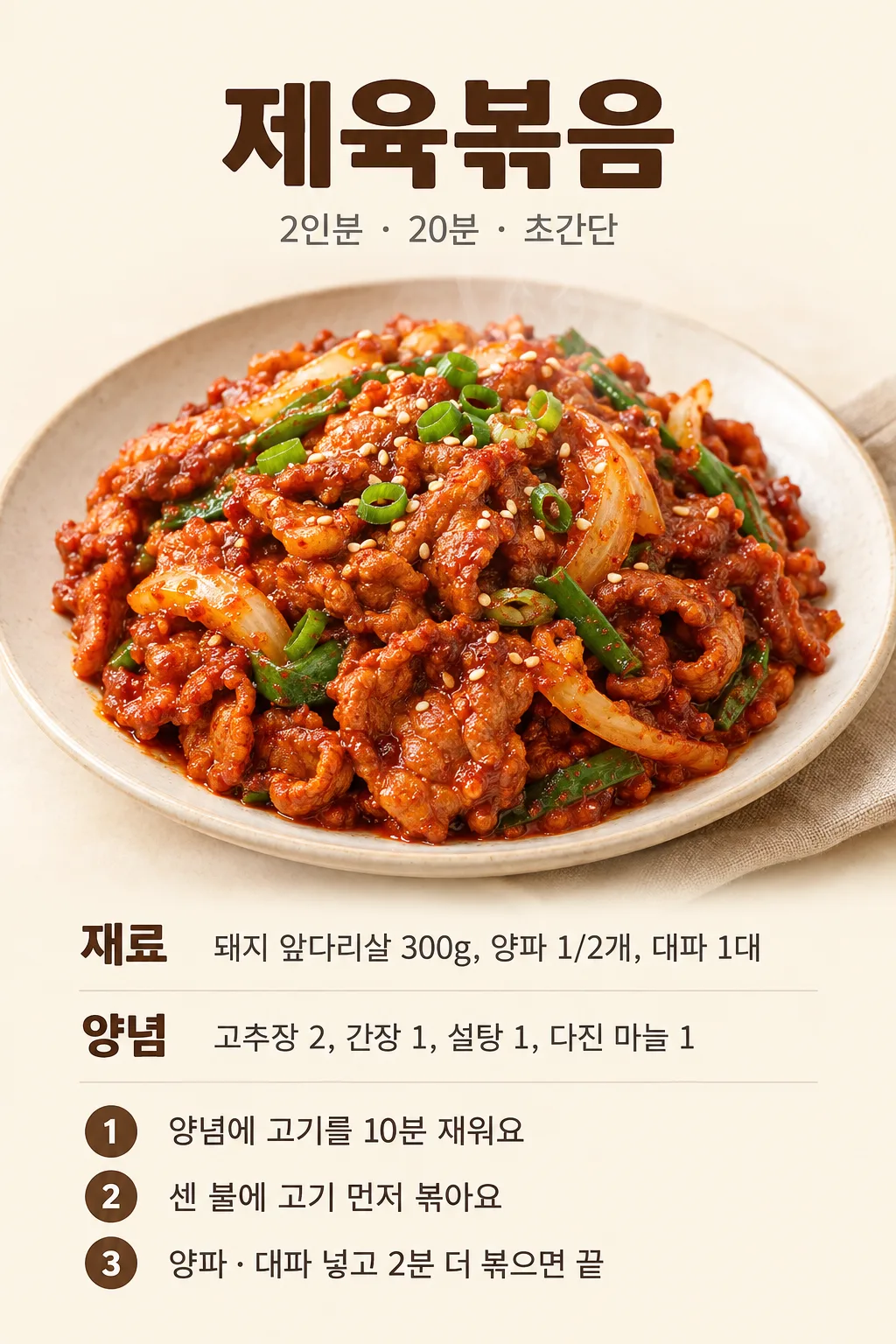
Fill in the fields
- 1Fill in the fields
- 2Copy the prompt
- 3Paste it into a GPT chat
- 4Send it as is and you get an image like the thumbnail example
- 5Attach a real photo that fits the card and it is used in the result: a background photo for background cards, a person or food photo for those cards Optional
Full prompt 4,049 characters
Render a finished recipe infographic as one portrait 4:5 image. It is a practical cooking card with a photographic finished dish and a STAGED INGREDIENT RAIL: ingredients sit beside the action that first uses them, rather than in a detached shopping list. Deliver the image itself.

KITCHEN SIGNATURE: 【Kitchen name】
DISH: 【Dish】
YIELD: 【Servings】
FIRST BASKET: 【First addition】
SECOND BASKET: 【Next addition】
FINISHING BASKET: 【Finishing addition】
RAIL GEOMETRY: 【Recipe layout】

Read each basket as ingredients with measured amounts, followed by a semicolon and its cooking action. Keep every supplied amount and cooking cue. Only these three baskets supply the dish: do not invent garnishes, oil, side dishes or extra seasonings. Preserve the first-use assignment: ingredients from the finishing basket cannot appear in an earlier basket. Within each basket, put solid foods under the short label Ingredients and oils/sauces/spices under Seasonings; omit an empty category. Separate the ingredient lines from the action with a fine rule. Mark the three basket stations ① First, ② Next, ③ Finish. A continuous fine line connects the station markers in cooking order; this rail joins measured ingredients to their moment of use. Repeated mentions in action text are allowed but never repeat quantities inconsistently. Do not turn the baskets into drawings of wicker containers.

Follow only the selected RAIL GEOMETRY:
Vertical rail: full-height left column about 43% wide holds the title, signature, yield, a large finished-food photograph, and total time beneath. The right 52% contains three generous stacked stations; the rail runs vertically down their left edge. There is no full-width top hero and no bottom row of columns.
Horizontal worktop: title, signature and yield along the top, one wide finished-food photograph below across the upper third. The bottom half is three equal-width columns, with station markers linked by one horizontal rail above the columns. Each column has its own ingredient lines and cooking action. There is no tall left photo column and no stacked station list.
Geometry changes only arrangement. Preserve all food, quantities, actions, lettering style and colors across the two arrangements. Fit the full text into the selected arrangement with short line breaks and generous exterior margins.

One warm ivory matte editorial surface, charcoal clean sans-serif lettering, deep-green station headings, terracotta step numerals, thin rules. The food has natural daylight, irregular cooked mushroom fibers and soft sauce sheen, true edible proportions on one simple ceramic plate, photographed close enough to identify it. If the supplied dish is different, adapt the food anatomy to that dish. No ingredient scatter outside the stations, hands, logos, watermarks, labels over the food, or mockup perspective. Use only ingredients named in the baskets in the finished photograph. No decorative herbs or sesame added by habit.

Print the dish name once as the largest title, signature as a small byline, yield unchanged, and one Total time: about line with a plausible preparation-plus-cooking estimate. Use the supplied actions to estimate time; never shorten a supplied cooking interval to make a faster claim. If an action requires thorough cooking, preserve that cue. Visible wording is English except standard measurement units and numerals. Do not print internal keys, the selected geometry name, braces, or design explanations. Render all three stations completely, with legible amounts and no cropped final line. Before finishing, reconcile the photograph, basket ledger and action text; every visible component must belong to a basket.

[Final output format]
Output size 1080x1350 pixels, 4:5 portrait, Instagram standard.
This selected output format takes priority over any fixed canvas size or aspect ratio elsewhere in this template. Adapt the composition, text zones and margins to the selected canvas without stretching or cropping essential content. Device safe areas apply only when a device is selected. Never print these format instructions on the image.
How did it turn out?
More cards in this category



How to use it · FAQ
Sesame oil stayed at the finishing station
We generated the mushroom recipe twice with identical inputs. Both images put 200g oyster mushrooms and 1 tbsp cooking oil first, 100g onion and 1 tbsp soy sauce next, and 1 tsp sesame oil at the finish. The instruction to turn off the heat stayed with the sesame oil. Neither image added sesame seeds or green garnish that the recipe had not listed. Amounts sit beside the step that uses them, so there is less jumping between a shopping list and the method.
The vertical route became a horizontal worktop
Both Vertical rail images placed the food on the left and three cooking stations down the right. Changing only the layout moved the food above three columns labeled First, Next and Finish. Sesame oil moved to the far-right column while its amount and heat-off instruction stayed intact. The reading direction changed along with the photo placement.
Ten minutes was an estimate added by the image
All three images gave about 10 minutes. The two vertical versions also broke that into 4 minutes of preparation and 6 minutes of cooking. We did not time a cooking session. This trial checked quantities and layout, rather than flavor or doneness.
Write each addition as “ingredients and amounts; cooking action.” A seasoning belongs at the station where it is first used. When changing the serving count, adjust the amounts in all three addition fields too; those supplied quantities are meant to stay exact.
Last checked · Published