
項目を入力
- 1項目を入力します
- 2コピーを押します
- 3GPTのチャットに貼り付けます
- 4そのまま送ると、サムネイルの例のような画像になります
- 5カードに合う実際の写真を一緒に入れると反映されます。背景カードなら背景の写真、人物・料理カードならその写真 任意
プロンプト全文を見る 3,609文字
Create exactly ONE finished educational manufacturing-process infographic as an original miniature production line, directly as an image. 出力サイズは1920×1080ピクセル、16:9の横型にしてください。小さな表示でも読める文字にしてください。
Subject: 【テーマ】. Stage count: 【工程数】. Mood: 【雰囲気】.
Use paper from prepared pulp, five stages, and 3D miniature when respective inputs are blank or automatic. Use exactly the selected number of numbered stages, strictly LEFT TO RIGHT in a single connected production row. For another aspect ratio, compress the connected row without reversing or wrapping the reading order. Title and stage labels must remain readable. Fill the canvas with the workshop, machinery, materials and finished objects; no floating sheet, collage, device mockup or promotional cover.
Before drawing, verify the process with reliable manufacturer, industry or museum sources if web access is available. Use only well-established steps. Choose a specific common manufacturing method, not a mixture of incompatible methods. Stage count 4, 5 or 6 means combine adjacent real operations into broader stages or separate a real combined operation; never invent an operation to fill a count. If a requested process cannot be established, do not fabricate an infographic: request the verified process instead. Do not print research notes, uncertainty disclaimers, citations or source logos in the image. Do not invent temperatures, times, ingredient percentages, health claims or historical facts.
Paper from prepared pulp: disperse pulp in water, form and drain a sheet on mesh, press out water, dry on heated cylinders, reel and cut. Glazed ceramics using two firings: knead clay, form, dry fully, bisque fire, apply glaze, glaze fire. Wooden graphite pencils: make graphite-clay cores, groove slats, insert cores and glue another slat on top, cut and shape pencils, paint and dry. Glass bottles: mix established glass raw materials, melt, form in molds, gradually cool in an annealing lehr, inspect. These are alternate subjects, not additional lines to draw.
Render only ONE selected mood across the whole image: 3D miniature means tactile scale-model machinery with studio light; Watercolor means transparent pigment washes and delicate ink on textured paper; Retro means vintage technical gouache, restrained screenprint grain and ochre/teal/vermilion inks. Keep the same readable miniature assembly-line composition in every mood. Add purposeful pipes, bins, catwalks and tools, with enough space behind lettering. Show changes in material state and the finished object on the right. Arrows, if used, must all follow the production flow.
Write one large natural Japanese title meaning '[subject] is made', the small editorial name 'Haru', and exactly 【工程数】 short Japanese stage labels numbered consecutively from 1. No other text. Never print field names, automatic choices or instructions. Proofread each character and count every station. Use original generic fictional designs, plain unbranded objects and no people, real brands, logos, recognizable proprietary products, copyrighted characters, signatures or watermarks. The image must require no later cropping, assembly or retouching. Return only the finished single image.
Automatic choice: おまかせ. Mood mapping: 3Dミニチュア = 3D miniature; 水彩 = Watercolor; レトロ = Retro.

[Final output format]
出力サイズは1920×1080ピクセル、16:9の横型にしてください。小さな表示でも読める文字にしてください。
This selected output format takes priority over any fixed canvas size or aspect ratio elsewhere in this template. Adapt the composition, text zones and margins to the selected canvas without stretching or cropping essential content. Device safe areas apply only when a device is selected. Never print these format instructions on the image.
結果はどうでしたか?
こちらのカードも人気です
使い方・よくある質問
小さな生産ラインで工程を伝える
授業のスライド、工房の紹介、ものづくりを伝える投稿に使うカードです。左の材料から右の完成品へ、一続きのミニチュア工場をたどれます。写真を加工する機能ではなく、テーマに合わせた架空の作業場を新しく描きます。基本の完成画像は16:9の一枚で、一覧の縦長表紙は別に生成した製紙工場です。
必須の入力欄は3つ
テーマには「パルプから紙」のように出発材料や製法も書くと工程が明確になります。陶器は二度焼きの施釉陶器、鉛筆は木の軸に黒鉛の芯を入れる製法として指定できます。空欄やおまかせはパルプから紙になります。工程数は4・5・6から選び、空欄なら5工程です。少なくすると隣り合う実際の作業をまとめ、多くすると実在する複合作業を分けます。数合わせの架空工程は加えません。雰囲気は3Dミニチュア・水彩・レトロで、空欄なら3Dミニチュアです。比率は共通サイズ選択で変えます。
作例の見どころ
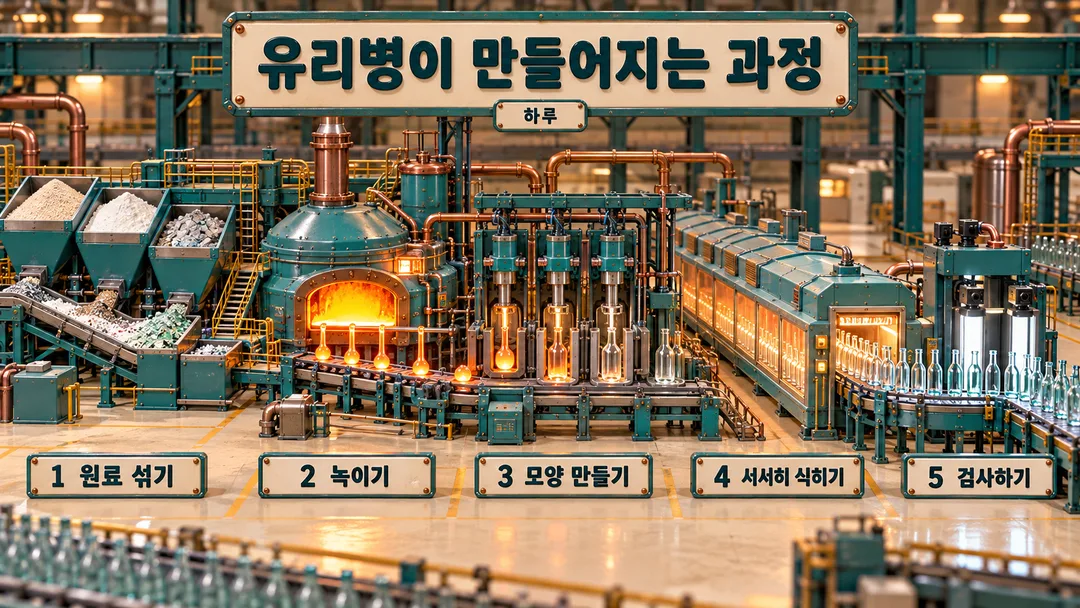
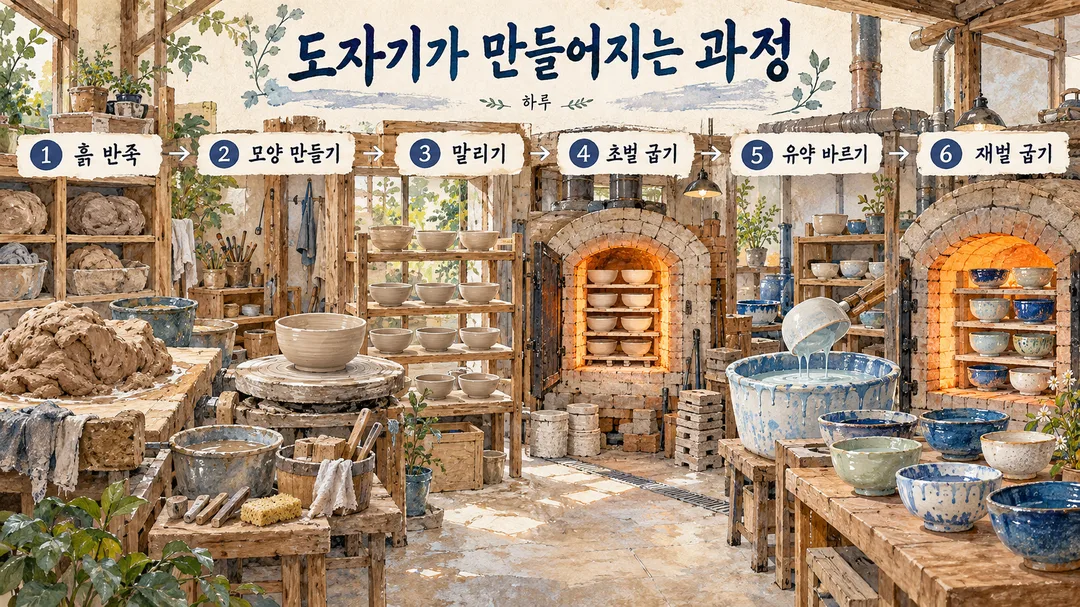
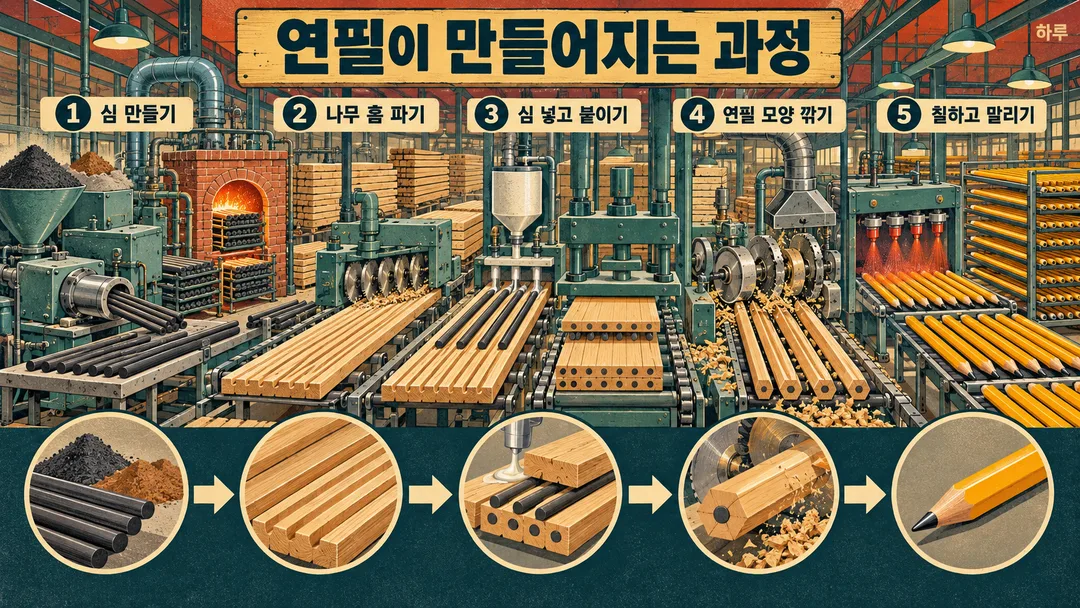
3Dのガラス瓶は原料混合、溶融、成形、徐冷、検査の5工程です。水彩の陶器は土練り、成形、乾燥、素焼き、施釉、本焼きの6工程で、二つの窯を分けて描きます。レトロの鉛筆は芯、木の溝、接着、削り出し、塗装と乾燥を5工程にまとめます。小さな編集名はHaruです。主題も雰囲気も異なる独立した画像で、同じ結果の使い回しではありません。
生成後に確かめること
完成したプロンプトを画像AIに一度貼り付けます。コードの実行や画像の合成なしで一枚になります。番号が連続し、選んだ数の作業場があり、材料の変化が順番に合うか確認してください。土は素焼き前に乾かし、鉛筆の芯は金属の鉛にせず、ガラス瓶は徐冷炉でゆっくり冷やします。この瓶の工程で水に急に浸す絵は受け入れないでください。タイトルと工程名は拡大して一文字ずつ読みます。
よくある質問
別の製品も描けますか。確認できる製法に絞って入力してください。検索できる環境では信頼できる資料で工程を確認し、確定できなければ捏造せず確認済みの順序を求める指示です。文字が間違った場合は正しい表記を指定して全体を再生成します。長文の解説より短い工程名と流れを見せる用途に向きます。実際の工場設備の設計図や安全作業手順書を作るカードではありません。外部サービスの料金や利用条件は各サービスで確認してください。