
すべて · 漫画・イラスト · 動物
183ペットの写真を色木版の肖像に
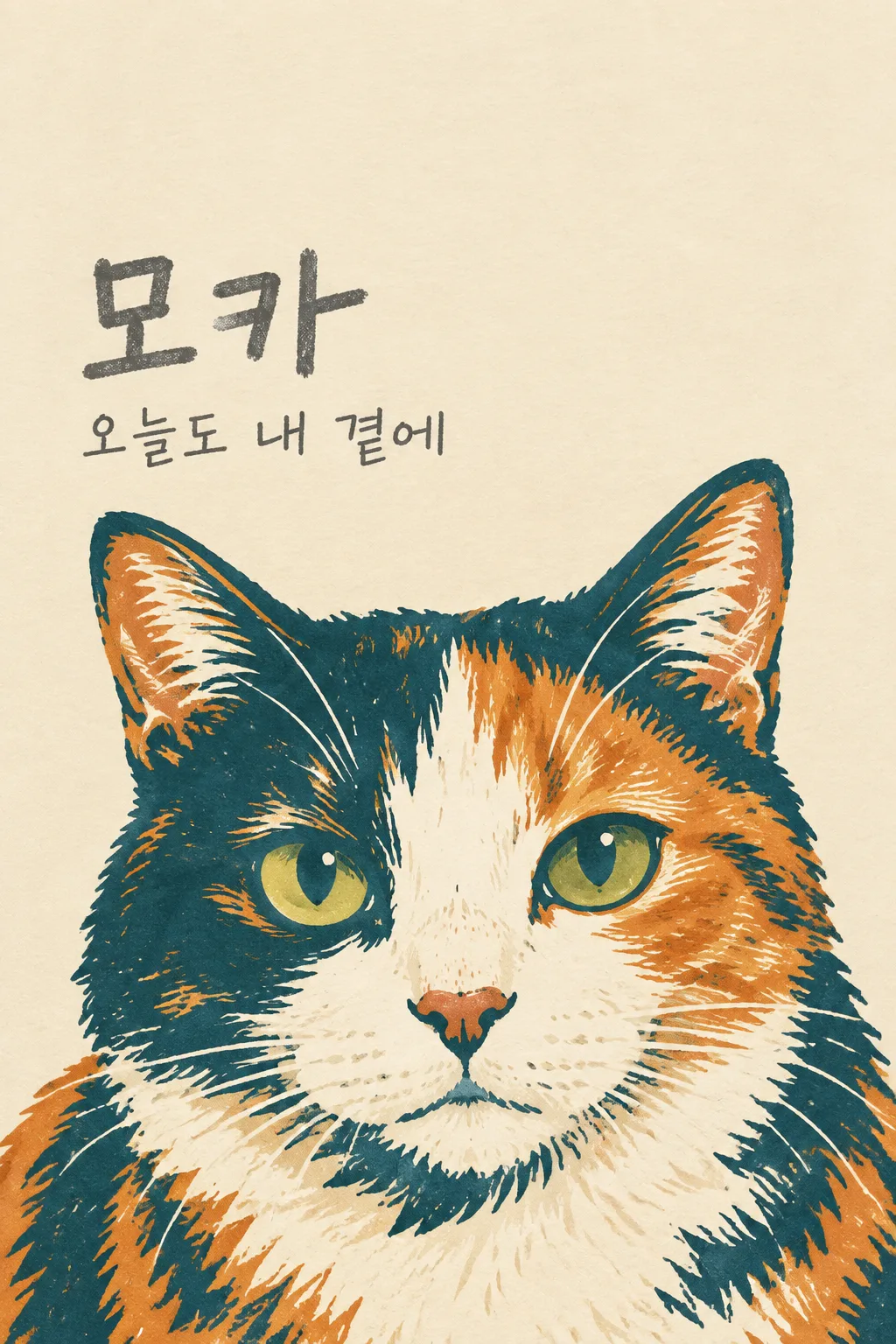
自分のペットの写真を名前入りの色木版肖像一枚に変えて、InstagramやThreadsに残せます。
項目を入力
- 1項目を入力します
- 2プロンプトをコピーします
- 3GPTのチャットにご自身のペットの顔と耳がはっきり見える写真一枚とプロンプトを一緒に送ります
- 4写真と文章の両方が入っていることを確認します
プロンプト全文を見る 6,245文字
Generate this image now. Draw it directly - do not describe it, explain it, or ask questions.
A3横、420×297mm、縦横比1.414:1のポスターを1枚作成してください。生成できる最大解像度を使い、印刷用の最終目標は4961×3508ピクセル、300dpiです。文字は紙の端から10mm以上内側に置いてください。

[Purpose]
Create one finished personalized color woodcut portrait of the user's own pet, suitable for sharing as a complete image on Instagram or Threads. The pet's actual face and name make the artwork theirs. The final output is the flat printed artwork itself, edge to edge, with one animal portrait and two large text lines. Keep this one print medium and this one composition throughout. Do not make a personality-test result, sticker sheet, framed-room mockup, illustration collection or photo comparison.

[Scene]
A very large close-up pet head and upper chest occupies x9-91%, y34-100%. The face is the dominant shape, with both visible ears inside the canvas and an expressive calm gaze close to the original photo. Use warm ivory paper as the ground, deep petrol teal shadows and restrained rusty orange ink fields around the portrait. Keep the head modeled by a few broad carved color masses with irregular hand-cut edges. The ENTIRE upper 17% is clean ivory paper, with NO text and NO animal ears. Start the lettering below this large blank paper area. The lower 15% continues the portrait and ink-and-paper ground without lettering. No full body, scenic window, owner, second animal, circular photo inset or result strip.

[Attached photo]
Use the one attached pet photo as the identity reference. Preserve its actual species, ear silhouette, muzzle proportions, visible eye color and recognizable placement of fur patches. Make a portrait of that animal rather than replacing it with a stock cute kitten. Convert the actual coat into carved light and dark shapes while keeping the location of markings readable. Do not invent pedigree, age, medical status, temperament, name history or a memorial date. Use the supplied personal memory only as caption context: "【覚えておきたい時間】". Do not turn this into a new narrative background or add unphotographed costumes and accessories.

[Text layout]
Render visible text in Japanese. Place the exact pet name "【ペットの名前】" once left-aligned at x9-80%, y18-28%, in very large dark graphite pencil handwriting. The complete name lies between y280 and y430 on a 1536px-high canvas. Reserve the top 250 pixels as clean paper. Keep the name on one horizontal baseline, not tilted, arched or raised at the right side. This blank header takes priority over enlarging any letters. Read "【一言】" as an input control that must be resolved BEFORE lettering is drawn. If it equals "おまかせ", compose one warm original line drawn from the supplied memory, at most twelve Japanese characters. Do not print that control and do not infer an event that the user did not supply. Place ONLY the resolved caption once left-aligned at x9-80%, y30-35%, in generous pencil handwriting, clearly smaller than the pet name but still readable on a phone. A supplied exact short line takes precedence over an automatic line. Use one line when it fits and at most two balanced short lines otherwise. The name is a name, not a heading such as 'pet name'. There are no additional labels, dates, badges, quotation marks, hashtags, explanatory paragraphs or footer signatures.

[Style]
Fixed original multicolor relief-print style: large carved shapes, visible chisel-like notches within fur shadows, slight uneven ink density and subtle registration imperfection at a few boundaries. The result should look like an expressive color woodblock print on smooth off-white paper. Separate the handwritten pencil lettering from the carved ink portrait. Keep fur as readable grouped cuts instead of photographic hairs, wool fibers or delicate watercolor wash. Do not imitate a named artist, famous print, existing animation character or copyrighted pet mascot. The photo guides the animal's identity, while the print's medium stays consistent.

[Visual hierarchy]
The pet face is one strong uninterrupted focal shape. The short name and affectionate caption sit in quiet space above it. Leave the eyes, nose and distinctive patches unobstructed by writing. No panel borders, questionnaire, rating scale, character attributes, speech balloons or before-and-after layout. Preserve an appealing face rather than filling it with excessive decorative hatching. Keep one pair of ears, one visible muzzle and coherent paired eyes; respect natural occlusion in the reference.

[Lighting and texture]
Suggest soft form through flat teal ink and reserved ivory paper, with restrained rusty orange areas balancing the image. These are ink colors, not a demand to recolor the animal's actual markings arbitrarily. Paper grain is subtle enough that pencil copy remains clear. Show no real picture frame, desk, paper curled over another image, packaging, stamp, print number or claim that the artwork was physically manufactured. Keep a generous graphic silhouette and a quiet paper area for text. Both text blocks must end before y550 on a 1024x1536 preview, with the complete animal face below them and no essential copy in the lower quarter.

[Text rules]
Render only the intended visible copy, never field labels or instruction headings. When a wording field equals "おまかせ", choose one short original line appropriate to the user's supplied context and do not print that control. Preserve exact provided spelling and numbers. Keep letters away from textures that reduce legibility. Personal inputs change the content, while the single medium and composition specified above stay fixed. Invent no dates, prices, benefits, availability, awards, endorsements or participation requirements.

[Avoid and delivery]
Generate exactly ONE completed image directly in this response. Use image generation, without executing code, outputting a script, producing separate pages, asking for another message or requiring cutting and assembly. No existing character, artist imitation, celebrity, branded packaging, publisher logo, watermark, browser frame or phone mockup. Keep essential lettering within 13-84% of height and at least 7% inside the side edges. Leave the upper 12% and lower 15% free of essential text. Finish the actual artwork edge to edge at the selected ratio. The image must be useful as delivered, rather than a presentation of several designs.
こちらのカードも人気です
使い方・よくある質問
こんなときに使えます
ペットの写真一枚を、名前入りの色木版肖像に変えてSNSに残したいときに使います。毛を一本ずつ写実的に描く代わりに、大きな色面と彫刻刀で削ったような線で顔を表します。実際の模様と耳の形を保つことで、よその動物のきれいな絵ではなく、自分のペットの肖像になります。上には名前と短い鉛筆の言葉、下には大きな顔が入ります。部屋に置いた額の写真や複数のシールではなく、そのまま投稿できる完成画像一枚です。
入力欄の使い方
ペットの名前には普段呼んでいる名前を入れます。覚えておきたい時間には、自分が実際に覚えている場面を一行で書きます。窓辺で休んだ午後、散歩から帰ったときなどで十分です。この内容は一言を選ぶために使い、背景を別の場所に変える欄ではありません。一言を「おまかせ」にすると、その思い出に合う短い文章を作ります。「今日もそばに」「君と過ごした午後」のような自分の言葉も使えます。自動選択の指示そのものが画像に印刷されてはいけません。
写真と一緒に送ります
ご自身のペットの顔と耳が見える写真を一枚用意します。模様が隠れず、目や鼻がはっきりした写真が適しています。GPTに添付して、まだ送信しないでください。同じメッセージ欄にコピーしたプロンプトを貼り付けます。写真と文章が両方入ったことを確認して、一度送ります。写真を先に送った場合は、末尾に「上の写真を使って描いて」と添えられます。顔を別に切り抜いたり、複数の画像を組み合わせたりする手順は不要です。
完成後に確認すること
色木版のため写真と色調は違っても、模様の位置はわかる必要があります。左右の耳の形、顔の幅、目や鼻の周囲の特徴を写真と比べてください。別の品種のよくあるキャラクターになっていないかも確認します。名前と一言を読み、顔に文字が重なっていないかを見ます。一匹の顔と胸元が主役であり、別の動物が増えたり元の写真が小さな丸として付いたりしない構成です。
直したいところがあるとき
模様が違う場合は、どちらの耳や目の周りの色が違うかを具体的に伝えます。写真の模様の位置を保ちながら同じ色木版肖像に直すよう求めます。素材が変わったら、大きな彫り跡の色面と印刷されたインクの質感を指定します。名前の誤字には正しい名前を伝えて、その部分を修正できます。補正は最初の完成画像が出た後、必要な場合だけの任意の操作です。何度も続きを受け取って完成させる方式ではありません。
よくある質問
- 犬だけに使えますか? 写真に写ったペットを基準にします。品種や来歴を推測して別の動物に変える指示はありません。
- 思い出の場面が背景になりますか? 言葉の材料として使います。結果は同じ色木版の顔の肖像に固定されています。
- 実物の版画が届きますか? SNSに投稿する画像一枚を作るカードです。製造や発送の注文は行いません。