
項目を入力
- 1項目を入力します
- 2プロンプトをコピーします
- 3GPTのチャットにペットの写真一枚とプロンプトを一緒に送ります
- 4写真と文章の両方が入っていることを確認します
プロンプト全文を見る 4,896文字
Generate this image now. Draw it directly - do not describe it, explain it, or ask questions.
A3横、420×297mm、縦横比1.414:1のポスターを1枚作成してください。生成できる最大解像度を使い、印刷用の最終目標は4961×3508ピクセル、300dpiです。文字は紙の端から10mm以上内側に置いてください。

[Purpose]
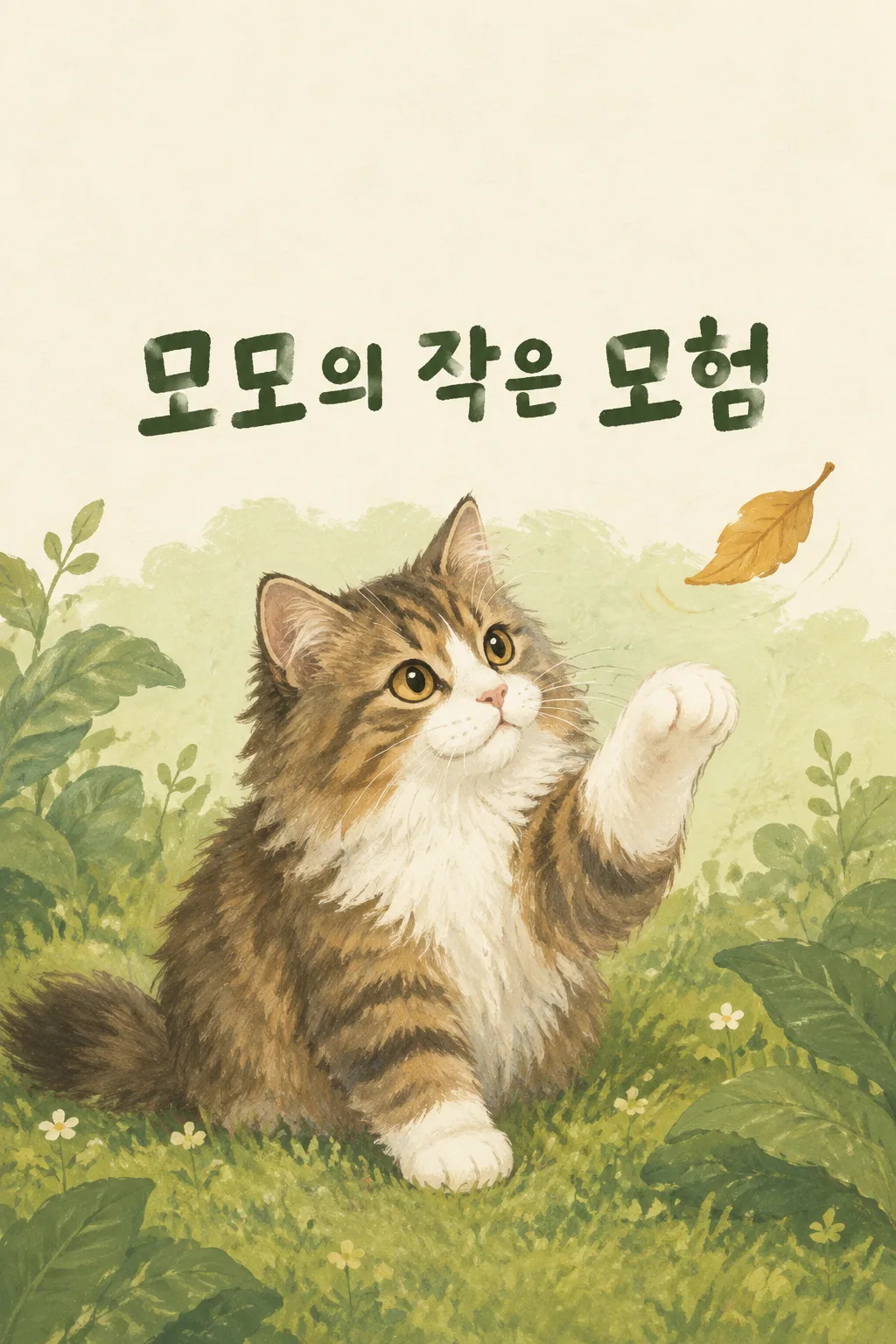
Create ONE complete Japanese picture-book cover illustration starring the user's own pet from ONE attached photo. The owner will share this single imaginary cover on a pet account or Instagram. It is one flat finished artwork, not a photograph of a physical book, an open-book spread, a character lineup, a four-panel story or a publishing mockup. Keep the same opaque gouache and colored-pencil picture-book style, one large animal, leafy meadow and generous ivory title area in every result. Output only the finished image, with no code, later page, alternative or cropping instruction.

[Personal story]
The pet's real name is "【ペットの名前】". Use it only once, as part of the one cover title; no second name label.
The owner's small incident is "【今日の小さな出来事】". Translate that into one gentle visible moment: a lifted paw, alert ears, a resting body or one leaf drifting nearby. If this incident is "おまかせ", choose a quiet playful moment that fits the photographed animal without printing the instruction. Do not invent a multi-scene plot, danger, illness, rescue, loss or biography. One pet and one small action are enough.
Title input is "【表紙タイトル】". If it is "おまかせ", create one short Japanese title that includes the supplied pet name exactly once and fits the small incident. If the user supplies a title, include the name once before it only if the entered title does not already contain that name. Do not print the instruction or repeat the animal's name below the picture. No subtitle, publisher, author, age rating, fake book series or price.

[Attached photo]
Use exactly the pet in the photo sent with this prompt. Preserve species, natural age impression, distinctive coat colors and markings, muzzle length, ears, eye color and any visible collar. The illustration should be recognizable to the owner. Do not turn a dog into a cat, add horns or wings, change all fur to white, clone the animal, or replace it with a famous cartoon pet. Exaggeration is modest and friendly; anatomy remains plausible. Use the photograph for identity, while adapting the posture slightly to the owner's incident. Never add a child or another human.

[One fixed scene]
Draw one large pet in three-quarter view on a low moss-green meadow, framed loosely by a few oversized rounded leaves. Its body fills the lower central portion and stays entirely on this one canvas. A single drifting ocher leaf can support the small incident. The background is warm ivory with a pale muted green painted patch, not a detailed town, festival street, room or jungle. The pet remains the unmistakable hero. No split screen, panels, visible source photo inset or sticker outlines. The image is a cover illustration, not a character reference sheet.

[Text layout]
Keep the upper 28% and lower 22% as calm ivory or painted meadow with NO WORDS. Fit the one title wholly inside 32–46% of image height, in large dark moss lettering on at most two balanced lines. Use clear gently handmade block letters; do not break the pet's name or any Japanese word. Place the animal at 49–83%, with ears and face free of letters. Leave the lower 22% without a signature, label or caption. The animal may extend into the lower visual margin, but essential face details stay above 78%. Only ONE title appears; there are no other visible words. This separation is part of the full illustration, not an external white border.

[Style and texture]
Use opaque matte gouache color shapes, visible dry-brush edges and fine colored-pencil accents for fur. Gentle moss, cream, ocher and the pet's real fur colors. Keep fur individually suggestive and soft rather than photorealistic hairs, glossy plastic or a watercolor wash. Quiet natural daylight, warm friendly expression and no dramatic glow. The scene must remain lively through that one small action and readable through one large animal and title at catalog size. Avoid exact artist, franchise, character or publisher styles; invent this original picture-book artwork.

[Text rules]
Spell every Japanese character and the supplied pet name correctly. Never print field labels or "おまかせ". No logo, barcode, watermark, promotional badge, false ownership claim or additional story text. Return exactly the single completed cover illustration.
[Blank top is mandatory]
The upper 28% of this artwork is empty warm ivory paper, with NO WORDS and no decorative title. It is an intentional broad sky area. Put the entire title only in the middle zone, between 32% and 46%. The animal starts below 49%; keep its face between 55% and 72%. On a 1024x1536 image, no title pixels above y=480; title ends before y=710. Reduce the animal enough to make room rather than moving the title up. Do not fill the empty top with lettering. Bottom 15% contains meadow only, no text. The title appears once.
こちらのカードも人気です
使い方・よくある質問
うちの子の一場面を投稿
ペットの写真から、架空の絵本の表紙一枚を作ります。大きな動物一匹とシンプルな草原、短いタイトルの構図です。マットなガッシュと色鉛筆の質感で、次のページや出版物の写真は作りません。
入力と送信
いつもの呼び名と、葉を追ったり耳を立てたりした小さな出来事を書きます。迷ったら出来事やタイトルを「おまかせ」にできます。名前はタイトル内に一度だけ入ります。顔と毛の模様が分かる写真一枚をGPTに置き、まだ送らず、同じ欄に完成したプロンプトを貼って一度送信してください。
確認と修正
耳、鼻先、毛色や模様が元の写真に似ているか確認します。動物の複製、人、出版社、値段などは不要です。タイトルが長すぎたり模様が変わったりしたら、短い入力や鮮明な写真に変え、画像一枚を生成し直してください。切り貼りやページの組み立てはありません。
- 犬も猫も使えますか? 写真の動物の種類を保ち、同じ絵本の構図で描きます。
- 次のページも作りますか? このカードは投稿できる表紙一枚だけを作ります。