

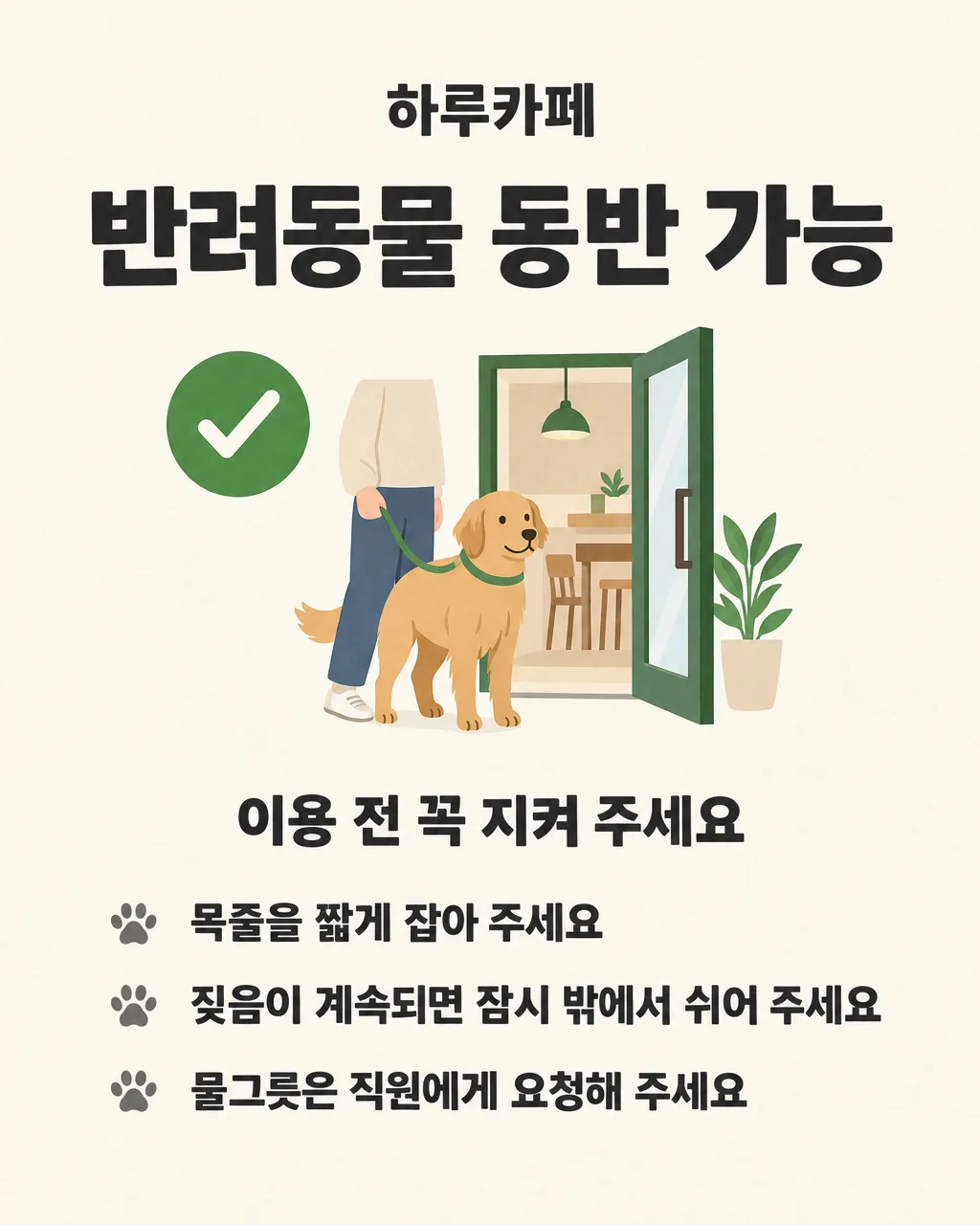
項目を入力
- 1項目を入力します
- 2コピーを押します
- 3GPTのチャットに貼り付けます
- 4そのまま送ると、サムネイルの例のような画像になります
- 5カードに合う実際の写真を一緒に入れると反映されます。背景カードなら背景の写真、人物・料理カードならその写真 任意
プロンプト全文を見る 7,316文字
Generate this image now. Draw it directly - do not describe it, explain it, or ask questions.
出力サイズは2480×3508ピクセル、A4縦、300dpiの印刷用ポスターにしてください。

[Purpose]
Create a finished Japanese storefront notice for "【店名】" that tells customers the shop's exact pet-entry policy and three rules before they enter. The selected value "【同伴の可否】" is the controlling condition for the entire design. The headline wording, central icon, animal expression, doorway symbol, accent color, and emotional tone must all agree with that value. This is practical signage for a shop owner, not a cute pet advertisement. A person must understand the policy from several steps away before reading the smaller rules.

[Scene]
Use a clean warm-ivory paper background with generous margins and a simple vertical information hierarchy. At the top is the shop name. Below it is one large policy headline. In the center, draw one original, generic dog beside a simple storefront-door pictogram; add a small generic cat only if spacing allows. The animals must never resemble a known character, mascot, logo, celebrity pet, or branded illustration. Below the central symbol, place the three rules as three evenly spaced lines, each led by a small neutral paw-print bullet. Keep all functional text on open background with no plaques, ribbons, speech balloons, boxes, or decorative panels behind it.

Apply exactly one of these four conditional art directions according to "【同伴の可否】":
- If the value is "同伴可": render the exact headline "ペット同伴可". Show an open doorway and a calm, gently smiling dog standing beside its guardian's simple leash hand. Use a green circular check icon. The pose is welcoming but orderly, not excited.
- If the value is "キャリー・カートのみ": render the exact headline "キャリー・カートでの同伴のみ可". Show a calm dog safely inside a clearly recognizable closed pet carrier or pet stroller, with no loose animal walking through the doorway. Use a blue carrier icon with a small green check. Do not show confinement as sadness or punishment.
- If the value is "テラスのみ": render the exact headline "ペットはテラスのみ可". Show a calm dog seated beside an outdoor table under a small patio awning; the indoor doorway stays behind a clear boundary line. Use a terracotta outdoor-table icon with a green check. Do not show the animal inside the shop.
- If the value is "同伴不可": render the exact headline "ペット同伴不可". Show a closed storefront doorway with a clear red no-pet pictogram. The dog stands outside beside its guardian, with a neutral, respectful expression and closed mouth: not smiling, waving, celebrating, entering, or looking invited. Use muted gray and restrained red accents. Never use a green check, open door, welcome gesture, happy entering pose, carrier-entry scene, or terrace-service scene for this value.

[Attached photo]
No attached photo is needed. If a photo is attached anyway, do not copy any logo, brand, character, person, or distinctive pet from it. Use only the original generic pictograms and animals described here. Do not add a QR code, delivery-app mark, certification mark, social-media logo, or third-party trademark.

[Text layout] top to bottom, as % of canvas height. Render these exact Japanese strings:
- 5-10%: "【店名】" - small bold Japanese sans-serif, dark charcoal, centered
- 13-25%: the one exact conditional headline required by the selected value "【同伴の可否】" - the largest heavy Japanese sans-serif text, centered, maximum two lines; do not print the raw value separately
- 29-52%: conditional illustration and icon zone only, with no text
- 57-63%: "ご利用前にお守りください" - medium bold Japanese sans-serif, dark charcoal, centered
- 67-73%: "【お願い1】" - bold Japanese sans-serif, dark charcoal, left aligned after one small paw-print bullet
- 76-82%: "【お願い2】" - bold Japanese sans-serif, dark charcoal, left aligned after one small paw-print bullet
- 85-91%: "【お願い3】" - bold Japanese sans-serif, dark charcoal, left aligned after one small paw-print bullet

[Style]
A polished Japanese small-business information poster with friendly editorial pictograms, crisp flat shapes, and restrained hand-drawn warmth. Use dark charcoal for all body text and warm ivory for the background. Let the selected policy control one accent palette: leaf green for "同伴可", clear blue plus a small green check for "キャリー・カートのみ", terracotta plus a small green check for "テラスのみ", and muted gray plus restrained red for "同伴不可". Illustration details must serve comprehension. Keep the animal anatomically simple and generic, with no costume, exaggerated cartoon face, human behavior, or mascot styling. Paw bullets are tiny navigation marks, never decoration scattered around the page.

[Visual hierarchy]
First read: the conditional policy headline and its matching icon. Second read: the three requested rules. Third read: the shop name and supporting animal illustration. The policy must remain unmistakable even when viewed as a phone thumbnail. Make the conditional icon large enough to identify immediately, but keep it below the headline in importance. Maintain generous empty space between the policy block and the rules. All three rule lines must have equal visual weight and enough room for Japanese text without squeezing, overlap, or edge cropping.

[Lighting and texture]
Use flat, even print-poster lighting with a very subtle recycled-paper grain. No photographic shadows, dramatic spotlight, glow, halo, neon, glass effects, metallic finish, or glossy 3D rendering. Colors should reproduce clearly on an ordinary color printer. Keep contrast strong and backgrounds quiet.

[Text rules]
Render only the exact Japanese strings specified in [Text layout]. Select exactly one conditional headline; never show two or more policy alternatives and never print "【同伴の可否】" as an extra label. Copy "【店名】", "【お願い1】", "【お願い2】", and "【お願い3】" character for character. Do not shorten, paraphrase, reorder, duplicate, or invent any sentence. Draw every Japanese syllable with complete clean strokes. Do not add unrequested foreign-language text, phone numbers, web addresses, hashtags, legal claims, tiny filler text, labels inside icons, or punctuation that was not supplied. Keep every text line well inside the safe margins.

[Avoid]
any mismatch between selected policy, headline, icon, animal location, facial expression, or color; smiling, celebrating, waving, welcoming, entering, or open-door imagery when the value is "同伴不可"; loose indoor pet when the value is "キャリー・カートのみ"; indoor pet when the value is "テラスのみ"; red prohibition symbol when the value is "同伴可"; displaying all four options like a menu; raw placeholder braces; misspelled or broken Japanese; added rules; duplicated text; speech balloons; checklists with empty boxes; panels behind text; frames; clutter; excessive paw prints; cute mascot treatment; famous characters; celebrity likenesses; brand or delivery-app logos; QR codes; watermarks; product advertising; medical or behavioral claims; glowing edges; neon; 3D text; text outlines; heavy drop shadows

[Final output format]
出力サイズは2480×3508ピクセル、A4縦、300dpiの印刷用ポスターにしてください。
This selected output format takes priority over any fixed canvas size or aspect ratio elsewhere in this template. Adapt the composition, text zones and margins to the selected canvas without stretching or cropping essential content. Device safe areas apply only when a device is selected. Never print these format instructions on the image.
結果はどうでしたか?
同じ分類のほかのカード

使い方・よくある質問
ペット同伴で来店されるお客様を迎えるカフェや飲食店、サロンなどの入口でご活用ください。入店可否や3つのお願いをあらかじめ大きく示すことで、毎回「入っても大丈夫ですか?」と尋ねる手間を省けます。同伴可、キャリー・カートのみ、テラスのみ、不可のいずれかを選ぶと、文面だけでなくアイコンやイラストの雰囲気も変わります。たとえば「不可」を選ぶと、歓迎する動物の絵ではなく閉まったドアと中立的な表現になり、誤解を防ぎます。A4サイズで印刷して入口の目立つ場所に貼り、SNSや店舗案内にも同じ画像を載せてご案内ください。生成された画像は、店名や3つのルールが一字一句入力内容と一致しているか必ず確認してください。もし文字やアイコンに誤りがあれば、「2番目のお願いの文字だけを直して」のように短く修正を指示してください。一度に多くの箇所を変えようとすると別の部分が変わることがあるため、うまくいかないときは新しい会話で作り直してください。
最終確認日 · 公開