전체 · SNS/카드뉴스 · 가게 이야기
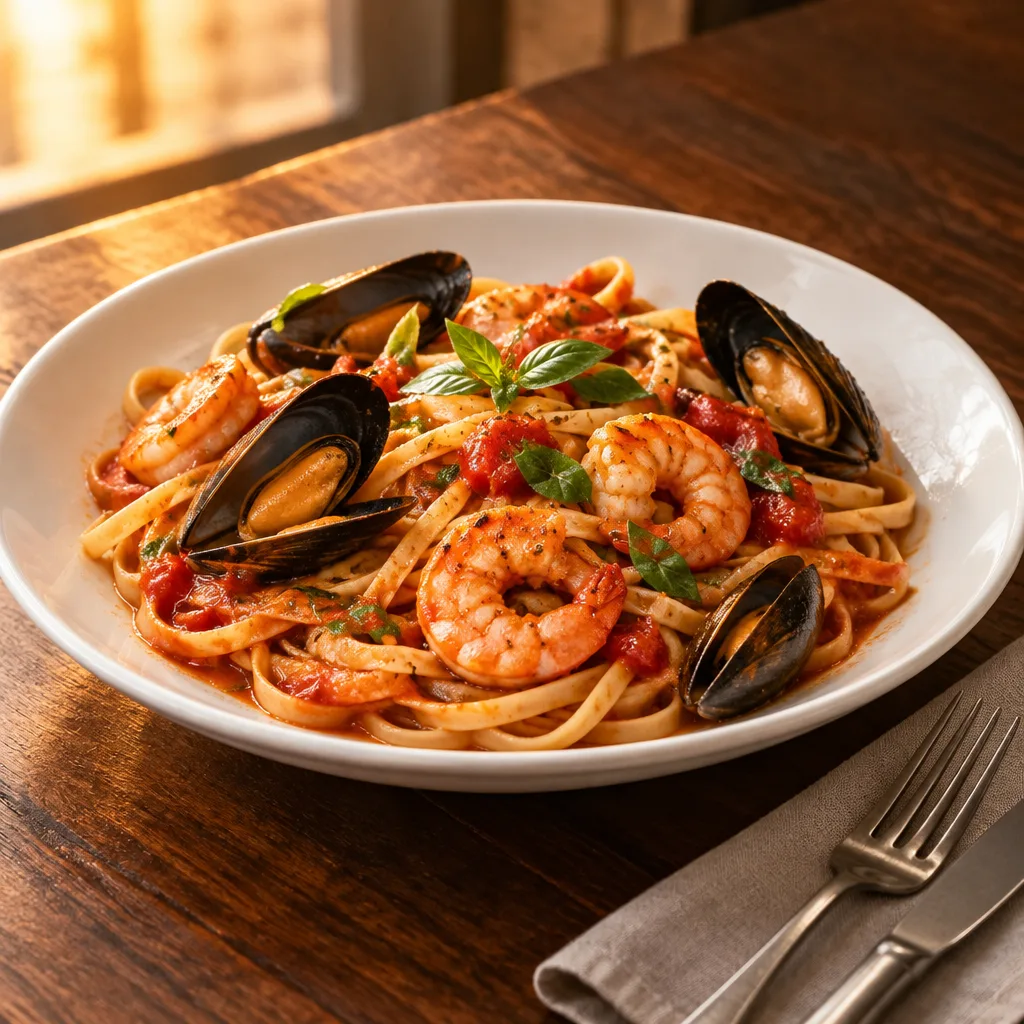
244글자 없는 음식 잡지 사진
소스가 묻은 면과 구운 표면, 식탁과 그릇의 결을 가까이 찍어요. 글자 없이 음식만 보여 주는 잡지 사진이에요.
받는 것
- 글자 없는 음식 잡지 사진 한 장
칸 채우기
- 1칸을 채워요
- 2복사 버튼을 눌러요
- 3GPT 채팅창에 붙여넣어요
- 4그대로 보내면 썸네일 예시처럼 나와요
- 5카드에 맞는 실제 사진을 같이 넣으면 그 사진이 반영돼요 — 배경 카드는 배경 사진, 인물 · 음식 카드는 그 사진 선택
프롬프트 원문 보기 4,167자
Generate this image now. Return exactly ONE complete image directly. Do not ask questions, browse for photos, return a plan or give a prompt instead of the image.

Output size 1080x1080 pixels, 1:1 square card. Keep the same top-to-bottom order but compress the zones to fit the square: the illustration becomes smaller and every text line stays fully readable.

[Input: values are the only facts and wording]
FOOD: "【음식】"
CONTENTS: "【눈에 보일 구성】"
DISH: "【담는 그릇】"
MOOD: "【분위기】"
FOCUS: "【가장 선명한 부분】"
TABLE: "【탁자 재질】"
NAPKIN: "【냅킨 색】"
UTENSIL: "【식기】"
VIEW: "【촬영 거리】"

[Fixed card design]
Create one original commercial editorial food photograph with no text. One serving of FOOD in DISH, with only CONTENTS, occupies about 75% of the frame. A close three-quarter camera position slightly above table height. VIEW changes framing from close food detail to complete visible plate, preserving the same camera angle, serving and photographic medium. FOCUS is the sharpest food detail when supplied. Seafood pasta is naturally loose flat linguine coated in a thin tomato sauce, curved edible shrimp and open mussel shells with real irregular edges, not a tower of tightly wound noodles. Apply the corresponding natural material when the food changes: small irregular fried flakes, true bread pores or moist rice grains.
Broad side light from a left rear window suits MOOD, revealing moisture, oil and toasted surfaces differently. Retain detail in highlights, genuine contact shadows beneath the dish and shallow depth of field that still keeps essential ingredients readable. TABLE supplies the real table surface, NAPKIN one small cloth, and UTENSIL one set: fork and knife, spoon, chopsticks or none. If absent, use a modest neutral cloth and one appropriate utensil set. Every object belongs to this one space. Use at most one or two small natural crumbs or sauce traces from the stated food, not scattered ingredient piles. Never add a second dish, undeclared toppings, drink, fruit or side meal.
No letters, price, labels, title, brand, person, hands, fake fog, exaggerated steam, floating ingredients or glossy plastic food. Density comes from food microtexture, glaze, wood and cloth, with a restrained blurred background. This is fictional photo material, not evidence of an actual restaurant's serving or quantity.

[Button meanings, internal instructions only]
UTENSIL: "포크와 나이프" means fork and knife; "숟가락" means spoon; "젓가락" means chopsticks; "없음" means none.
VIEW: "음식에 가깝게" means close food detail; "접시 전체 보이게" means complete plate visible.

[Missing inputs and finish]
An optional input line removed from this prompt is absent. Do not print its key, invent a substitute caption, ask for it or reserve an empty panel. Choose a fitting simple visual only where the fixed design explicitly permits an automatic default. Selected values alter content only; retain this card's single style and one composition. Every supplied visible string stays verbatim in its original script and currency, without translation. Ordinary automatic lettering, if explicitly allowed above, is Korean; internal English keys and button names are never captions.
Use the stated aspect ratio, adapting one coherent layout rather than stretching food or letters. Text-bearing posters keep important lettering within the central 16–83% of image height and 5–95% of width; extend food-related ornament, background, shadows or texture to the trim so these insets do not create empty bands. Keep all price digits and ingredient labels unobstructed. Text-free photographs fill the canvas naturally with their scene. No frame, phone, wall mockup, watermark or extra results.
No uploaded photo is needed: create a fictional food scene from these inputs. If a reference photo is attached, use it only for the stated food's visible shape and materials within this same drawing or photographic medium, without adding absent products or claiming exact portion preservation. Finish one image even when no photo is attached.

[Final output format]
Output size 1080x1080 pixels, 1:1 square card. Keep the same top-to-bottom order but compress the zones to fit the square: the illustration becomes smaller and every text line stays fully readable.
This selected output format takes priority over any fixed canvas size or aspect ratio elsewhere in this template. Adapt the composition, text zones and margins to the selected canvas without stretching or cropping essential content. Device safe areas apply only when a device is selected. Never print these format instructions on the image.
결과 어땠어요?
이 카드도 많이 사용해요
쓰는 법 · 자주 묻는 것
글자 없이 음식의 질감을 보여 줘요
토마토 소스가 가는 면에 묻고, 새우와 홍합, 그릇의 유약과 나무 탁자에 빛이 닿는 음식 잡지 사진을 만들어요.
음식 SNS, 메뉴 분위기 제안, 게시물의 사진 소재를 만들 때 쓰세요. 제목과 가격을 붙이지 않아서 음식의 표면이 그대로 주인공이에요. 접시 하나를 식탁보다 조금 높은 비스듬한 시점에서 가까이 찍고, 뒤쪽은 부드럽게 흐립니다.
음식·구성·그릇·분위기 네 칸
음식에는 ‘토마토 해산물 파스타’, 눈에 보일 구성에는 ‘새우, 홍합, 토마토 소스, 링귀네, 바질’을 적어요. 재료를 많이 쓰기보다 이번 사진에 실제로 보일 것만 넣으면 좋습니다. 담는 그릇은 낮은 접시·볼·도마처럼 한 가지를 적고, 분위기는 ‘창가의 맑은 아침 식탁’처럼 시간과 빛을 말해요. 네 칸만 채워도 나머지는 음식에 맞게 정합니다.
초점과 식탁 소품을 조절해요
가장 선명한 부분은 ‘새우와 소스가 묻은 면’, ‘물결처럼 일어난 튀김옷’처럼 보고 싶은 식감이에요. 탁자 재질과 냅킨 색은 음식 뒤의 작은 배경을 바꿉니다. 식기 단추는 포크와 나이프·숟가락·젓가락·없음 중 하나예요. 촬영 거리는 가까운 기본값과 접시 전체가 보이는 값 가운데 고르지만, 사진의 비스듬한 각도는 같아요. 글자를 넣는 칸은 없습니다.
반복된 음식 조각을 찾아보세요
이미지 생성이 가능한 GPT에 글을 한 번 보내 정사각형 사진 한 장을 요청해요. 받은 그림에서 면이 단단한 똬리처럼 꼬였는지, 새우나 튀김 조각이 똑같이 복제됐는지, 소스가 플라스틱처럼 번쩍이는지 보세요. 문제가 있으면 ‘면을 자연스럽게 풀고 소스 광택을 줄여줘’처럼 식감만 고쳐요. 특정 가게의 실제 제공량을 증명하는 사진은 아니므로 실제 판매 메뉴 소개에는 본인 음식과 구성을 대조해 주세요.