All · Social posts · Business stories
244Textless Food Magazine Photo
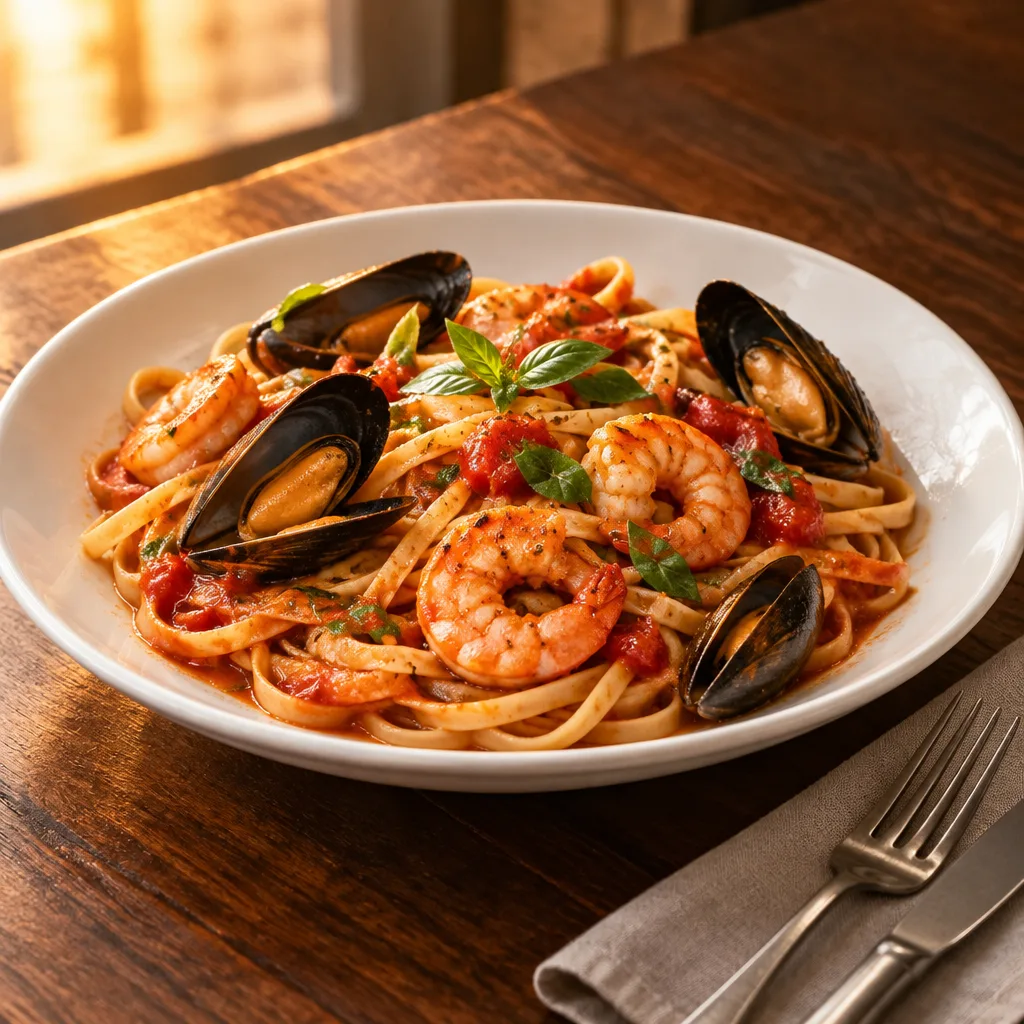
Close-up shots of sauce-coated surfaces, grilled textures, and the grain of the table and bowl. This is a food magazine photo showing only the food without text.
What you get
- Textless Food Magazine Photo
Fill in the fields
- 1Fill in the fields
- 2Copy the prompt
- 3Paste it into a GPT chat
- 4Send it as is and you get an image like the thumbnail example
- 5Attach a real photo that fits the card and it is used in the result: a background photo for background cards, a person or food photo for those cards Optional
Full prompt 4,268 characters
Generate this image now. Return exactly ONE complete image directly. Do not ask questions, browse for photos, return a plan or give a prompt instead of the image.

Output size 1080x1080 pixels, 1:1 square post. Keep all text fully readable.

[Input: values are the only facts and wording]
FOOD: "【Food】"
CONTENTS: "【Visible Composition】"
DISH: "【Serving Dish】"
MOOD: "【Mood】"
FOCUS: "【Sharpest Part】"
TABLE: "【Table Texture】"
NAPKIN: "【Napkin Color】"
UTENSIL: "【Tableware】"
VIEW: "【Shooting Distance】"

[Fixed card design]
Create one original commercial editorial food photograph with no text. One serving of FOOD in DISH, with only CONTENTS, occupies about 75% of the frame. A close three-quarter camera position slightly above table height. VIEW changes framing from close food detail to complete visible plate, preserving the same camera angle, serving and photographic medium. FOCUS is the sharpest food detail when supplied. Seafood pasta is naturally loose flat linguine coated in a thin tomato sauce, curved edible shrimp and open mussel shells with real irregular edges, not a tower of tightly wound noodles. Apply the corresponding natural material when the food changes: small irregular fried flakes, true bread pores or moist rice grains.
Broad side light from a left rear window suits MOOD, revealing moisture, oil and toasted surfaces differently. Retain detail in highlights, genuine contact shadows beneath the dish and shallow depth of field that still keeps essential ingredients readable. TABLE supplies the real table surface, NAPKIN one small cloth, and UTENSIL one set: fork and knife, spoon, chopsticks or none. If absent, use a modest neutral cloth and one appropriate utensil set. Every object belongs to this one space. Use at most one or two small natural crumbs or sauce traces from the stated food, not scattered ingredient piles. Never add a second dish, undeclared toppings, drink, fruit or side meal.
No letters, price, labels, title, brand, person, hands, fake fog, exaggerated steam, floating ingredients or glossy plastic food. Density comes from food microtexture, glaze, wood and cloth, with a restrained blurred background. This is fictional photo material, not evidence of an actual restaurant's serving or quantity.

[Button meanings, internal instructions only]
UTENSIL: "Fork and knife" means fork and knife; "Spoon" means spoon; "Chopsticks" means chopsticks; "None" means none.
VIEW: "Close to the food" means close food detail; "Show entire plate" means complete plate visible.

[Missing inputs and finish]
An optional input line removed from this prompt is absent. Do not print its key, invent a substitute caption, ask for it or reserve an empty panel. Choose a fitting simple visual only where the fixed design explicitly permits an automatic default. Selected values alter content only; retain this card's single style and one composition. Every supplied visible string stays verbatim in its original script and currency, without translation. Ordinary automatic lettering, if explicitly allowed above, is English; internal English keys and button names are never captions.
Use the stated aspect ratio, adapting one coherent layout rather than stretching food or letters. Text-bearing posters keep important lettering within the central 16–83% of image height and 5–95% of width; extend food-related ornament, background, shadows or texture to the trim so these insets do not create empty bands. Keep all price digits and ingredient labels unobstructed. Text-free photographs fill the canvas naturally with their scene. No frame, phone, wall mockup, watermark or extra results.
No uploaded photo is needed: create a fictional food scene from these inputs. If a reference photo is attached, use it only for the stated food's visible shape and materials within this same drawing or photographic medium, without adding absent products or claiming exact portion preservation. Finish one image even when no photo is attached.

[Final output format]
Output size 1080x1080 pixels, 1:1 square post. Keep all text fully readable.
This selected output format takes priority over any fixed canvas size or aspect ratio elsewhere in this template. Adapt the composition, text zones and margins to the selected canvas without stretching or cropping essential content. Device safe areas apply only when a device is selected. Never print these format instructions on the image.
How did it turn out?
You may also like

How to use it · FAQ
Showing Food Texture Without Text
Create a food magazine photo where tomato sauce coats the thin noodles, and light touches shrimp, mussels, bowl glaze, and a wooden table.
Use this when creating food social media posts, menu mood proposals, or photo materials for posts. Without titles or prices attached, the surface of the food itself takes center stage. Shoot one plate closely from a slightly higher diagonal angle than the table, and softly blur the background.
Four Sections: Food, Composition, Dish, and Mood
For the food, write "Tomato Seafood Pasta," and for the visible composition, write "Shrimp, mussels, tomato sauce, linguine, basil." Rather than using many ingredients, it is best to include only what will actually be visible in this photo. For the serving dish, write one item such as a shallow plate, bowl, or cutting board, and for the mood, describe the time and light, such as "Clear morning dining table by the window." Even just filling these four sections allows the rest to be determined to match the food.
Adjust Focus and Table Props
The sharpest part is the texture you want to see, such as "Shrimp and sauce-coated noodles" or "Wavy, ruffled batter." The table texture and napkin color change the small background behind the food. The tableware button is one of the following: fork and knife, spoon, chopsticks, or none. You can choose the shooting distance between a close default and a view showing the entire plate, but the diagonal angle of the photo remains the same. There are no fields for adding text.
Look for Repeated Food Pieces
Send the text to an image-generating GPT once and request a square photo. In the received image, check if the noodles are twisted like a solid coil, whether the shrimp or batter pieces are identically duplicated, and if the sauce shines like plastic. If there are issues, fix only the texture, such as "Unwind the noodles naturally and reduce the sauce gloss." Since this is not a photo proving actual serving sizes at a specific store, please compare your own food and composition when introducing actual sales menus.