すべて · SNS投稿 · お店のストーリー
244文字のないフード雑誌の写真
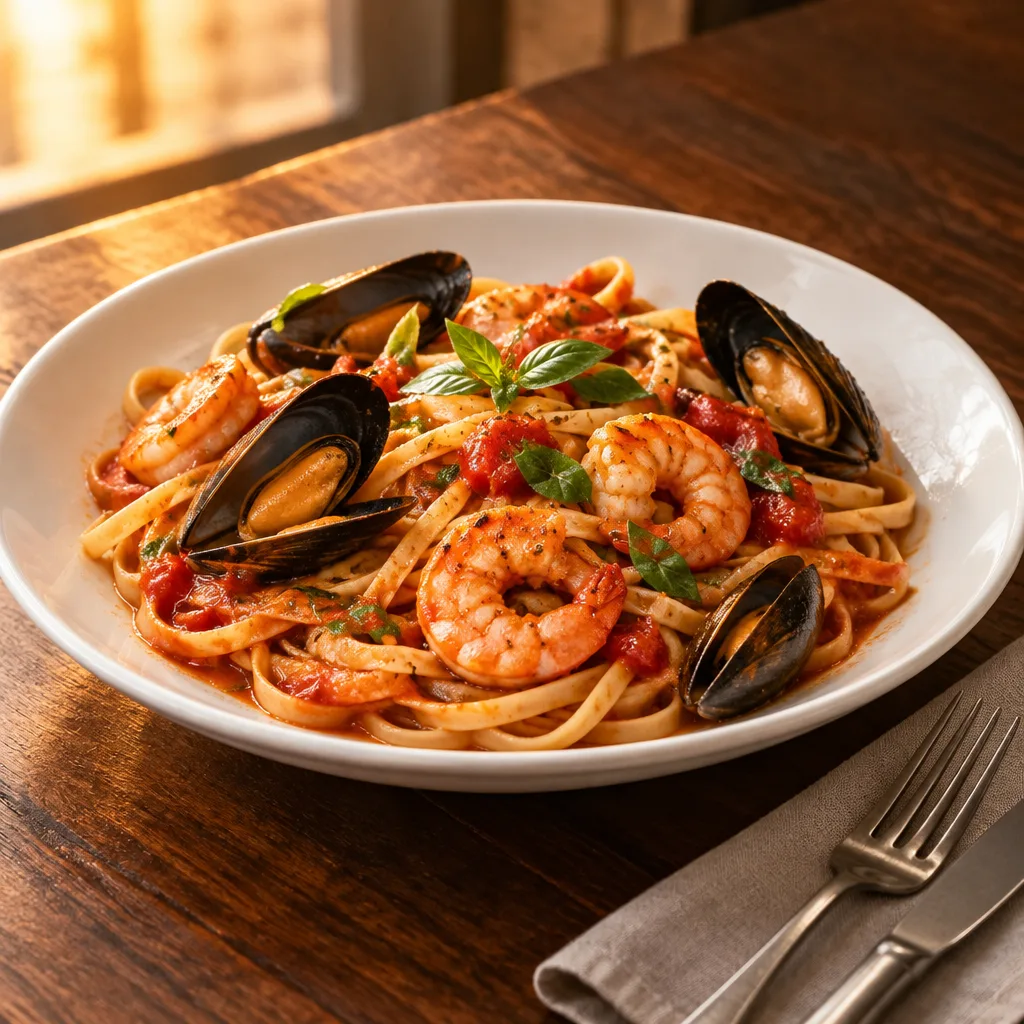
ソースがついた面や焼けた表面、食卓と器の質感を至近距離で撮影します。文字なしで料理だけを見せる雑誌の写真です。
受け取れるもの
- 文字のないフード雑誌の写真
項目を入力
- 1項目を入力します
- 2コピーを押します
- 3GPTのチャットに貼り付けます
- 4そのまま送ると、サムネイルの例のような画像になります
- 5カードに合う実際の写真を一緒に入れると反映されます。背景カードなら背景の写真、人物・料理カードならその写真 任意
プロンプト全文を見る 4,175文字
Generate this image now. Return exactly ONE complete image directly. Do not ask questions, browse for photos, return a plan or give a prompt instead of the image.

出力サイズは1080×1080ピクセル、1:1の正方形にしてください。文字を読みやすく配置してください。

[Input: values are the only facts and wording]
FOOD: "【料理】"
CONTENTS: "【目に見える構成】"
DISH: "【盛り付ける器】"
MOOD: "【雰囲気】"
FOCUS: "【最も鮮明な部分】"
TABLE: "【テーブルの質感】"
NAPKIN: "【ナプキンの色】"
UTENSIL: "【食器】"
VIEW: "【撮影距離】"

[Fixed card design]
Create one original commercial editorial food photograph with no text. One serving of FOOD in DISH, with only CONTENTS, occupies about 75% of the frame. A close three-quarter camera position slightly above table height. VIEW changes framing from close food detail to complete visible plate, preserving the same camera angle, serving and photographic medium. FOCUS is the sharpest food detail when supplied. Seafood pasta is naturally loose flat linguine coated in a thin tomato sauce, curved edible shrimp and open mussel shells with real irregular edges, not a tower of tightly wound noodles. Apply the corresponding natural material when the food changes: small irregular fried flakes, true bread pores or moist rice grains.
Broad side light from a left rear window suits MOOD, revealing moisture, oil and toasted surfaces differently. Retain detail in highlights, genuine contact shadows beneath the dish and shallow depth of field that still keeps essential ingredients readable. TABLE supplies the real table surface, NAPKIN one small cloth, and UTENSIL one set: fork and knife, spoon, chopsticks or none. If absent, use a modest neutral cloth and one appropriate utensil set. Every object belongs to this one space. Use at most one or two small natural crumbs or sauce traces from the stated food, not scattered ingredient piles. Never add a second dish, undeclared toppings, drink, fruit or side meal.
No letters, price, labels, title, brand, person, hands, fake fog, exaggerated steam, floating ingredients or glossy plastic food. Density comes from food microtexture, glaze, wood and cloth, with a restrained blurred background. This is fictional photo material, not evidence of an actual restaurant's serving or quantity.

[Button meanings, internal instructions only]
UTENSIL: "フォークとナイフ" means fork and knife; "スプーン" means spoon; "箸" means chopsticks; "なし" means none.
VIEW: "料理に近づけて" means close food detail; "皿全体が見えるように" means complete plate visible.

[Missing inputs and finish]
An optional input line removed from this prompt is absent. Do not print its key, invent a substitute caption, ask for it or reserve an empty panel. Choose a fitting simple visual only where the fixed design explicitly permits an automatic default. Selected values alter content only; retain this card's single style and one composition. Every supplied visible string stays verbatim in its original script and currency, without translation. Ordinary automatic lettering, if explicitly allowed above, is Japanese; internal English keys and button names are never captions.
Use the stated aspect ratio, adapting one coherent layout rather than stretching food or letters. Text-bearing posters keep important lettering within the central 16–83% of image height and 5–95% of width; extend food-related ornament, background, shadows or texture to the trim so these insets do not create empty bands. Keep all price digits and ingredient labels unobstructed. Text-free photographs fill the canvas naturally with their scene. No frame, phone, wall mockup, watermark or extra results.
No uploaded photo is needed: create a fictional food scene from these inputs. If a reference photo is attached, use it only for the stated food's visible shape and materials within this same drawing or photographic medium, without adding absent products or claiming exact portion preservation. Finish one image even when no photo is attached.

[Final output format]
出力サイズは1080×1080ピクセル、1:1の正方形にしてください。文字を読みやすく配置してください。
This selected output format takes priority over any fixed canvas size or aspect ratio elsewhere in this template. Adapt the composition, text zones and margins to the selected canvas without stretching or cropping essential content. Device safe areas apply only when a device is selected. Never print these format instructions on the image.
結果はどうでしたか?
こちらのカードも人気です
使い方・よくある質問
文字なしで料理の質感を見せます
トマトソースが細麺に絡み、エビやムール貝、器の釉薬や木製のテーブルに光が当たるフード雑誌の写真を作成します。
料理のSNS、メニューの雰囲気提案、投稿の写真素材を作る時に使います。タイトルや価格をつけていないため、料理の表面がそのまま主役になります。お皿1つを食卓より少し高い斜めの視点から至近距離で撮影し、背後は柔らかくぼかします。
料理・構成・器・雰囲気の4つの欄
料理には「トマトシーフードパスタ」、目に見える構成には「エビ、ムール貝、トマトソース、リングイネ、バジル」を書きます。たくさんの具材を使うよりも、今回の写真に実際に映るものだけを入れると効果的です。盛り付ける器は浅い皿・ボウル・まな板のように1つを書き、雰囲気は「窓際の晴れた朝の食卓」のように時間と光を表します。4つの欄だけでも埋めれば、残りは料理に合わせて決定します。
焦点と食卓の小物を調整します
最も鮮明な部分は、「エビとソースがついた麺」、「波のように立った衣」のように見たい食感です。テーブルの質感とナプキンの色は、料理の背後の小さな背景を変更します。食器ボタンは、フォークとナイフ・スプーン・箸・なしのいずれかです。撮影距離は、近いデフォルト値と皿全体が見える値の中から選びますが、写真の斜めの角度は同じです。文字を入れる欄はありません。
繰り返された料理のパーツを探してみてください
画像生成が可能なGPTに文章を1回送り、正方形の写真を1枚リクエストします。受け取った画像で、麺が固いとぐろのように絡まっていないか、エビや衣のパーツが同じように複製されていないか、ソースがプラスチックのようにテカっていないか見てください。問題がある場合は「麺を自然にほぐし、ソースの光沢を減らして」のように食感だけを修正します。特定の店舗の実際の提供量を証明する写真ではないため、実際の販売メニューの紹介にはご自身の料理と構成を照合してください。