All · Infographics & guides · How-to guides
3673D Clay Infographic Poster
Turn one topic into a dense clay illustration with verified facts, key explanations and numbered steps.
Fill in the fields
- 1Fill in the fields
- 2Copy the prompt
- 3Paste it into a GPT chat
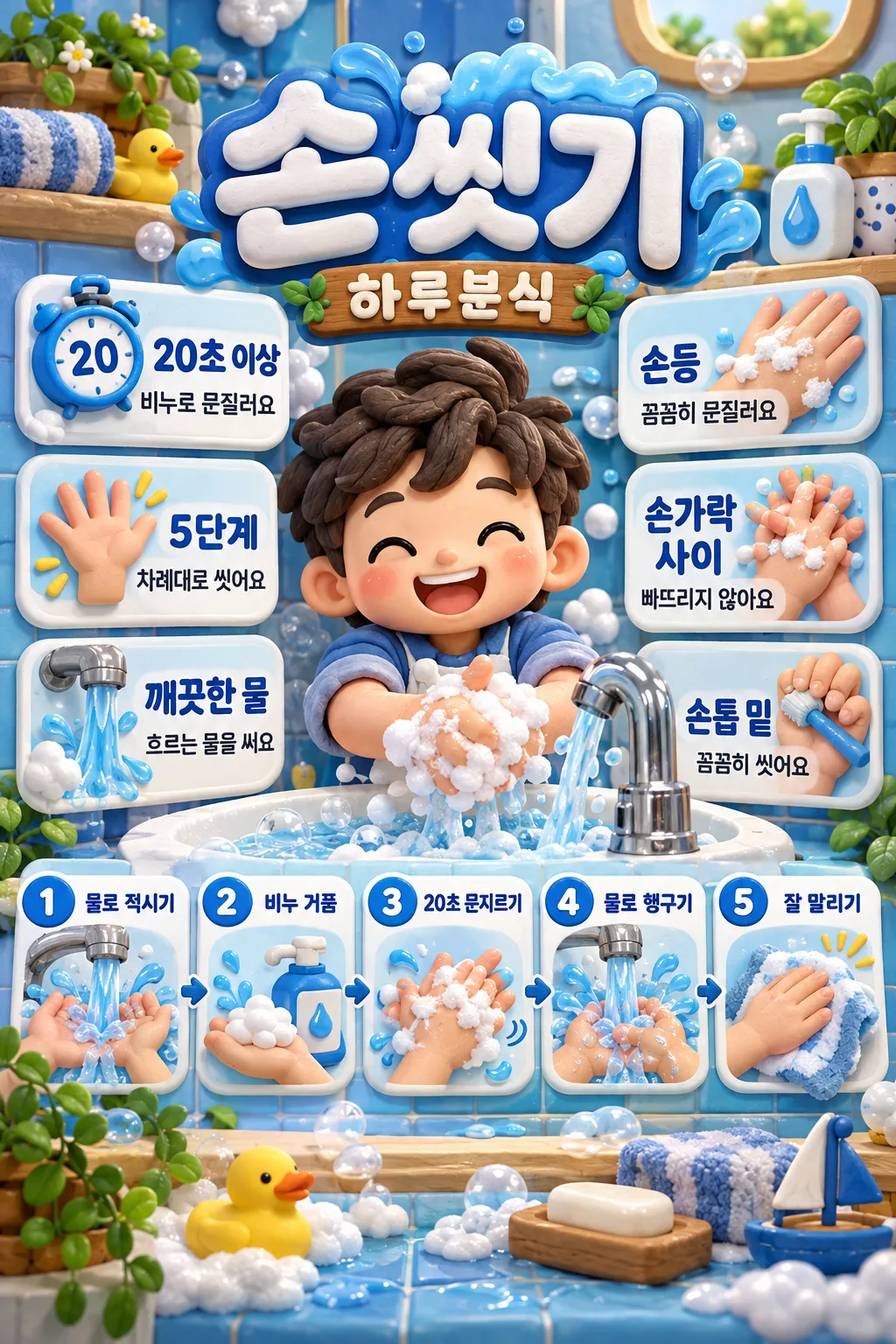
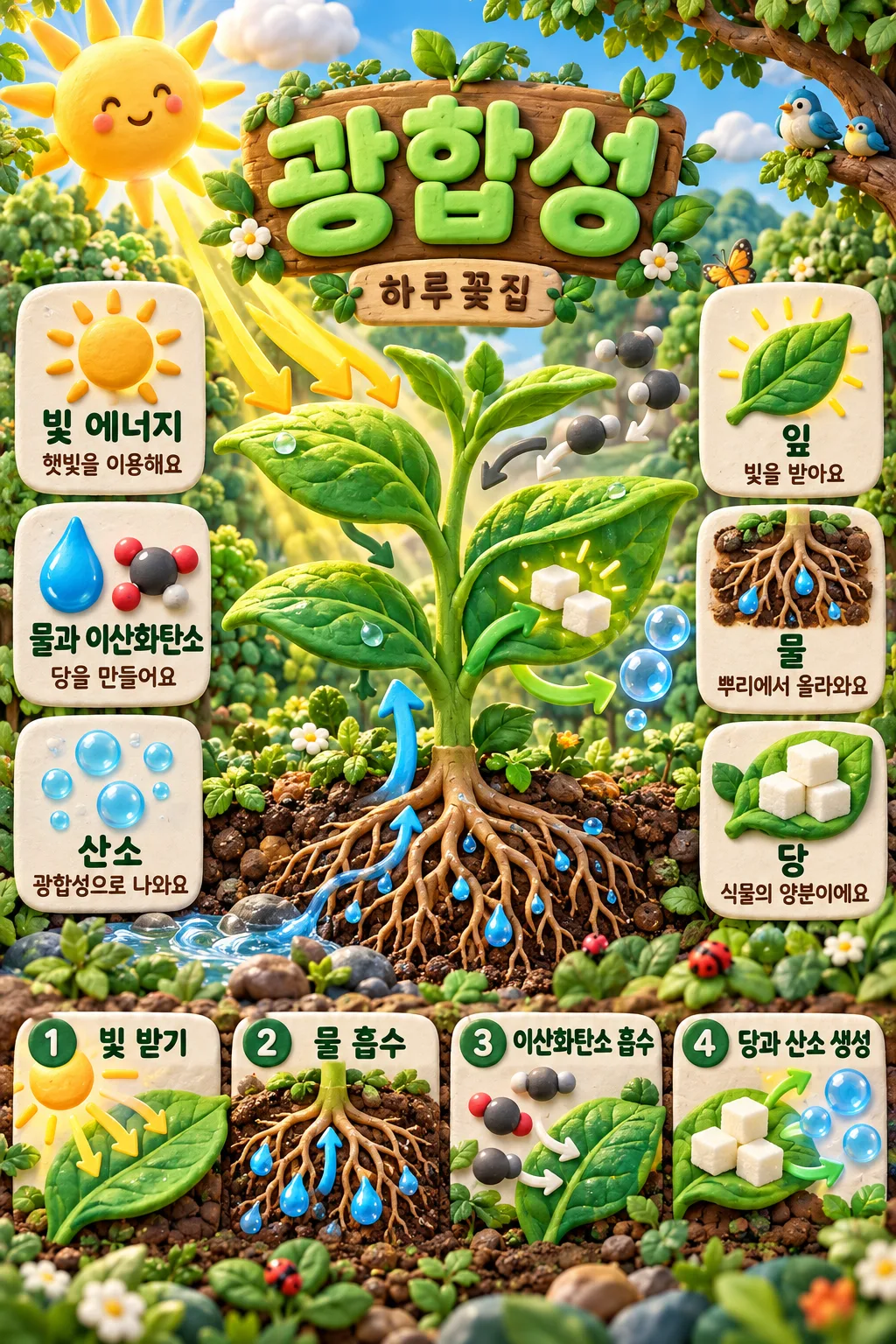
- 4Send it as is and you get an image like the thumbnail example
- 5Attach a real photo that fits the card and it is used in the result: a background photo for background cards, a person or food photo for those cards Optional
Full prompt 3,534 characters
Create ONE finished full-bleed English 3D clay educational infographic poster. Return image only, no questions, code or explanation.
Output exactly one finished 2:3 portrait image, 1024x1536 pixels. Leave the top 12% and bottom 15% free of essential text.
Topic: 【Topic】
Displayed name: 【Name】
Key facts: 【Key facts】
Key explanations: 【Key explanations】
Steps: 【Steps】
Accent color: 【Accent color】

Use one consistent hand-sculpted matte clay style: subtle fingerprints, rounded bevels, thick dimensional lettering, richly detailed miniature objects, varied natural colors, soft studio contact shadows. Create a dense professional editorial infographic, not a building cutaway. Fill the entire canvas with topic-related clay scenery and decoration; no blank margins, paper mockup, border, collage, watermark, logo imitation or existing characters.

Portrait layout: large title at 14–23% of height, name at 24–26%; central dominant topic sculpture at 28–64%, three illustrated fact tiles at left and three illustrated explanation tiles at right; one bottom row of two to five individually illustrated numbered step tiles at 66–82%. Top 12% and bottom 15% contain only dense scenic clay decoration, never text. At 1024x1536, all letters fit within y205..1260. For landscape, keep the same central hero and two side columns with a wider bottom step strip and the same text-safe proportions. Topic objects, shadows and small props continue to every edge. Make the central subject detailed and instantly recognizable. Every side tile contains a distinct clay icon, short bold heading and one readable explanation. Each step contains only its supplied short heading, a distinct illustration and a sequence number, no added caption.

Exactly three facts and three key explanations. Semicolons separate items; a dash splits heading from explanation. If there are more than three, select the three most relevant verified entries; if fewer, fill the remaining entries with verified topic facts. Steps follow the supplied two to five entries. If blank, use four researched conceptual stages, or the verified standard number of action steps up to five. A conceptual cycle must not claim a single beginning or a rigid biochemical chronology. Name blank means no brand line; blank color uses teal. All displayed words are in English; preserve name spelling. Never print input labels, URLs, source notes, color names, verification disclaimers or the word example.

Before generating, verify scientific facts, numbers, health guidance and units against authoritative web sources. Research blank content and validate supplied claims too. If browsing is unavailable, use only the verified source excerpts supplied in the content; omit unsupported numerical claims and fill tiles with supported qualitative facts, never invented statistics. For health, avoid treatment promises and efficacy claims. Sequence numbers are order markers, not quantities. Retain the meaning of time and units, e.g. handwashing 20 seconds refers to scrubbing. Do not add prices, offers or conditions. Print title, name and each item exactly once in its own location; repeated concepts across supplied fields may retain their wording. Check every character, unit, step number and illustration before returning one image.

[Final output format]
Output exactly one finished 2:3 portrait image, 1024x1536 pixels. Leave the top 12% and bottom 15% free of essential text.
This selected output format takes priority over any fixed canvas size or aspect ratio elsewhere in this template. Adapt the composition, text zones and margins to the selected canvas without stretching or cropping essential content. Device safe areas apply only when a device is selected. Never print these format instructions on the image.
How did it turn out?
You may also like

How to use it · FAQ
Make a tactile educational poster for a shop wall or a social post: one large clay subject, three fact tiles on the left, three explanation tiles on the right and an illustrated sequence below. Sculpted lettering, miniature props and soft shadows make each subject recognizable. This is a topic illustration rather than an architectural cutaway.
Only Topic is required. Name is a displayed shop or channel name; leave it empty to omit it. Supply three Key facts and three Key explanations, separated by semicolons. Each item uses a short heading, a dash and one brief explanation. Supply two to five Steps separated by semicolons. Sequence numbers are added automatically; supplied measurements retain their meaning. Accent color changes clay headings and number badges; blank uses teal.
When facts, explanations or steps are blank, the prompt requests authoritative web research for the topic. If the image service cannot browse, include a source URL and the short facts you verified in the content fields. Unsupported statistics are replaced by verified qualitative explanations. URLs and research notes are never printed. Steps can represent actions or a conceptual flow; a natural cycle need not have a single beginning.
Paste once into an image AI to request one finished poster. No photo or code is needed. Use the shared size control for the aspect ratio. Portrait uses a bottom row of steps; landscape uses a wider bottom strip in the same clay style. Check the service's current fees and terms directly.
Read the title, name, numbers and units before sharing. Trace the step illustrations against the supplied order. For handwashing, at least 20 seconds refers to scrubbing with soap, not rinsing. Shorten long explanations if text becomes too small, and print a small proof before displaying the poster.
Changing the topic? Change or clear the three content fields too, so water-cycle defaults do not appear on a handwashing poster. The handwashing example has five action steps; photosynthesis uses four conceptual stages. For a typo, quote the exact corrected word and request a change to that word while preserving the composition. No external text compositing is required.